
Cooler Weather Has Arrived, But Fire Season Is Not Over


Cooler temperatures and recent rainfall are welcome across the Lookingglass area, but the Lookingglass Rural Fire District reminds residents that fire season remains in effect.
The Douglas Forest Protective Association (DFPA) has lowered the Public Use Restriction Level to LOW, but a LOW fire danger level does not mean outdoor debris burning is permitted.
Debris burning, including burn piles and burn barrels, remains prohibited while fire season is in effect.
Residents should continue following all current DFPA restrictions until fire season is officially declared over.
Prepare Now — Burn Later
Each year, immediately following the end of fire season, LRFD and other fire agencies begin seeing an increase in escaped debris burns.
After months of restrictions, residents are understandably ready to clean up accumulated yard debris and burn piles. Unfortunately, some of these fires escape because the burn area was not adequately prepared, piles were too large, weather conditions changed, or the fire was left before it was completely extinguished.
The end of fire season does not mean vegetation can no longer burn.
Now is an excellent time to prepare your property and burn piles. It is not yet time to light them.
When burning is eventually permitted, residents should follow applicable OSFM, Oregon Department of Forestry, DFPA, DEQ, and local requirements.
Before You Burn
Before lighting any debris pile:
- Verify that burning is permitted. Never assume rain, cooler temperatures, or the end of summer means it is legal to burn.
- Check local requirements. Restrictions and requirements can vary depending on location, jurisdiction, weather conditions, and the type of burning being conducted.
- Prepare the area around the pile. Remove vegetation and combustible material around the burn area. DFPA recommends clearing down to mineral soil for at least 10 feet around debris piles.
- Keep piles manageable. Smaller piles are easier to control. Avoid building a pile so large that you cannot safely extinguish it.
- Have water immediately available. Have a charged garden hose or another adequate water supply ready before lighting the fire.
- Have hand tools available. Keep a shovel and other appropriate tools nearby.
- Check the weather. Wind can quickly turn a controlled burn into an escaped fire. If conditions are unfavorable, postpone the burn.
- Burn only permitted materials. Garbage, plastics, treated lumber and other prohibited materials should never be burned.
- Stay with the fire. Never leave a debris burn unattended.
- Drown, stir and drown again. Continue working the pile until there are no remaining hot spots.
- Check the pile again later. Burn piles can retain heat beneath the surface and rekindle hours or even days later.
You are responsible for maintaining control of your burn.
Check Before You Burn
Before conducting any outdoor burning, verify the current restrictions for your location.
Douglas Forest Protective Association (DFPA)
Current fire danger, public-use restrictions, industrial restrictions and debris-burning information:
https://www.dfpa.net/
Before You Burn
Check current outdoor-burning information and requirements for participating Oregon jurisdictions:
https://beforeyouburn.com/
Oregon Department of Forestry (ODF)
Statewide fire restrictions and wildfire prevention information:
https://www.oregon.gov/odf/fire/pages/restrictions.aspx
Conditions and restrictions can change quickly. Always check the current status on the day you intend to burn rather than relying on information from several days earlier.
Cooler Weather Also Means Wood-Stove Season
As temperatures begin dropping, many Lookingglass residents will also begin using wood stoves and fireplaces again.
Before lighting the first fire of the season, take the time to have your chimney and heating system properly inspected and cleaned.
The Oregon State Fire Marshal recommends having chimneys and vents professionally inspected and cleaned at least once each year.
Why Chimney Maintenance Matters
When wood burns, combustible deposits known as creosote can accumulate inside the chimney or flue. Burning wet or inadequately seasoned wood can contribute to increased creosote accumulation.
If creosote ignites, a chimney fire can produce extremely high temperatures.
A chimney fire can damage chimney liners, masonry and other components. Cracks or deterioration can then allow heat, sparks or flames to reach combustible portions of the structure, potentially resulting in a structure fire.
An inspection is important even when a chimney appears clean. A qualified inspection may identify cracks, deterioration, obstructions, improper installation or other conditions that cannot necessarily be identified simply by cleaning the chimney.
Before Using Your Wood Stove or Fireplace
Residents should:
- Have the chimney and vent professionally inspected and cleaned.
- Burn only dry, seasoned firewood.
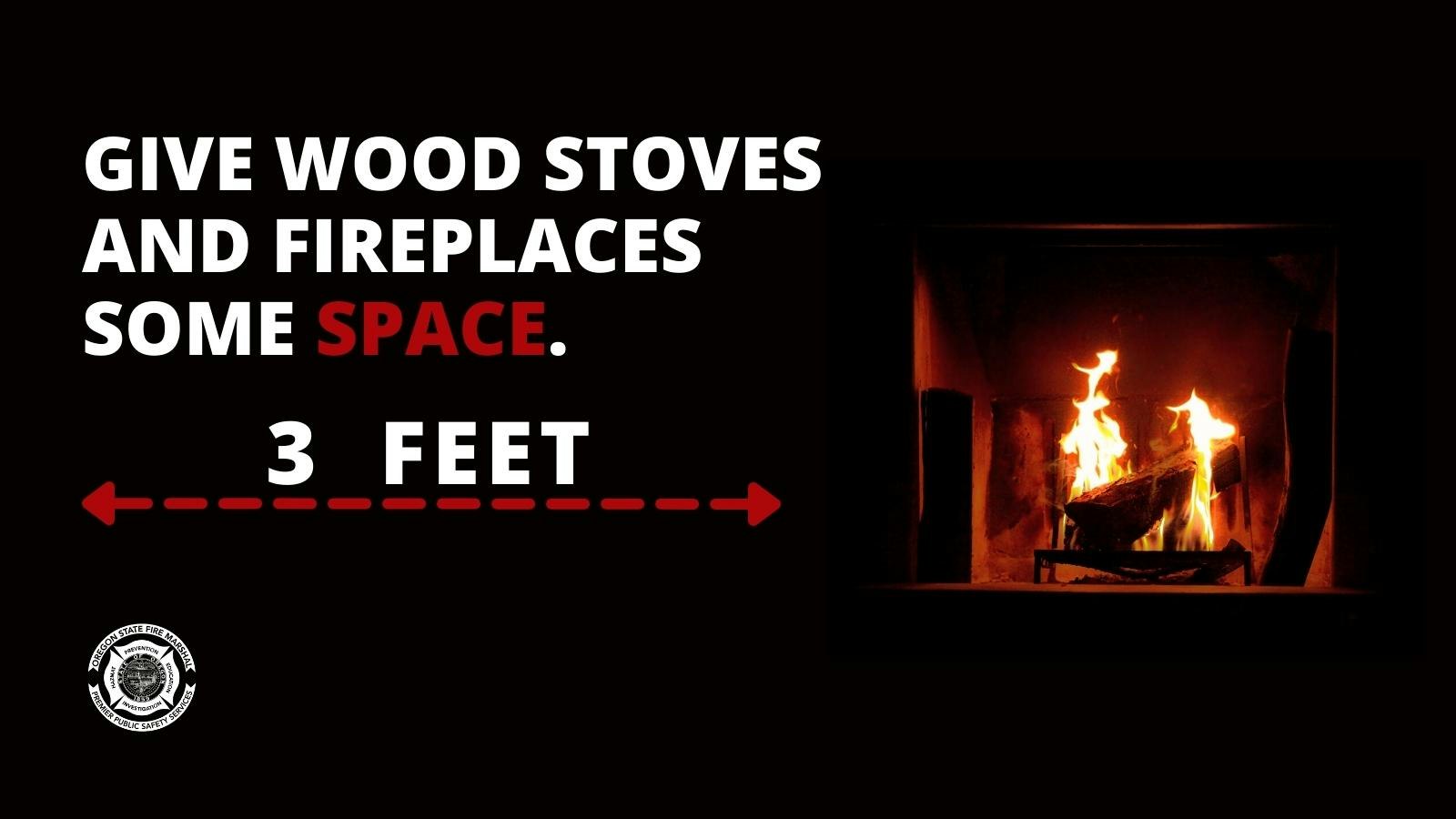
- Keep furniture, firewood, curtains and other combustible materials at least three feet away from heating equipment.
- Never use gasoline, kerosene or other flammable liquids to start a fire.
- Do not overload a wood stove or fireplace.
- Never leave a fire unattended.
- Make sure working smoke alarms are installed throughout the home.
- Maintain working carbon monoxide alarms where appropriate.
- Place ashes in a metal container with a tight-fitting lid.
- Keep ash containers outside and away from buildings and other combustible materials until the contents are completely cold.
Prevention Starts Before the Fire
Whether preparing a debris pile for later this fall or getting a wood stove ready for colder temperatures, a little preparation now can prevent an emergency later.
Fire season remains in effect, and debris burning is currently prohibited.
LRFD encourages residents to use the cooler weather to prepare their properties, inspect their heating equipment and make sure they are ready to burn safely when outdoor burning is once again permitted.
Lookingglass Rural Fire District