
LRFD Volunteers Complete 2026 Firefighter Agility Test
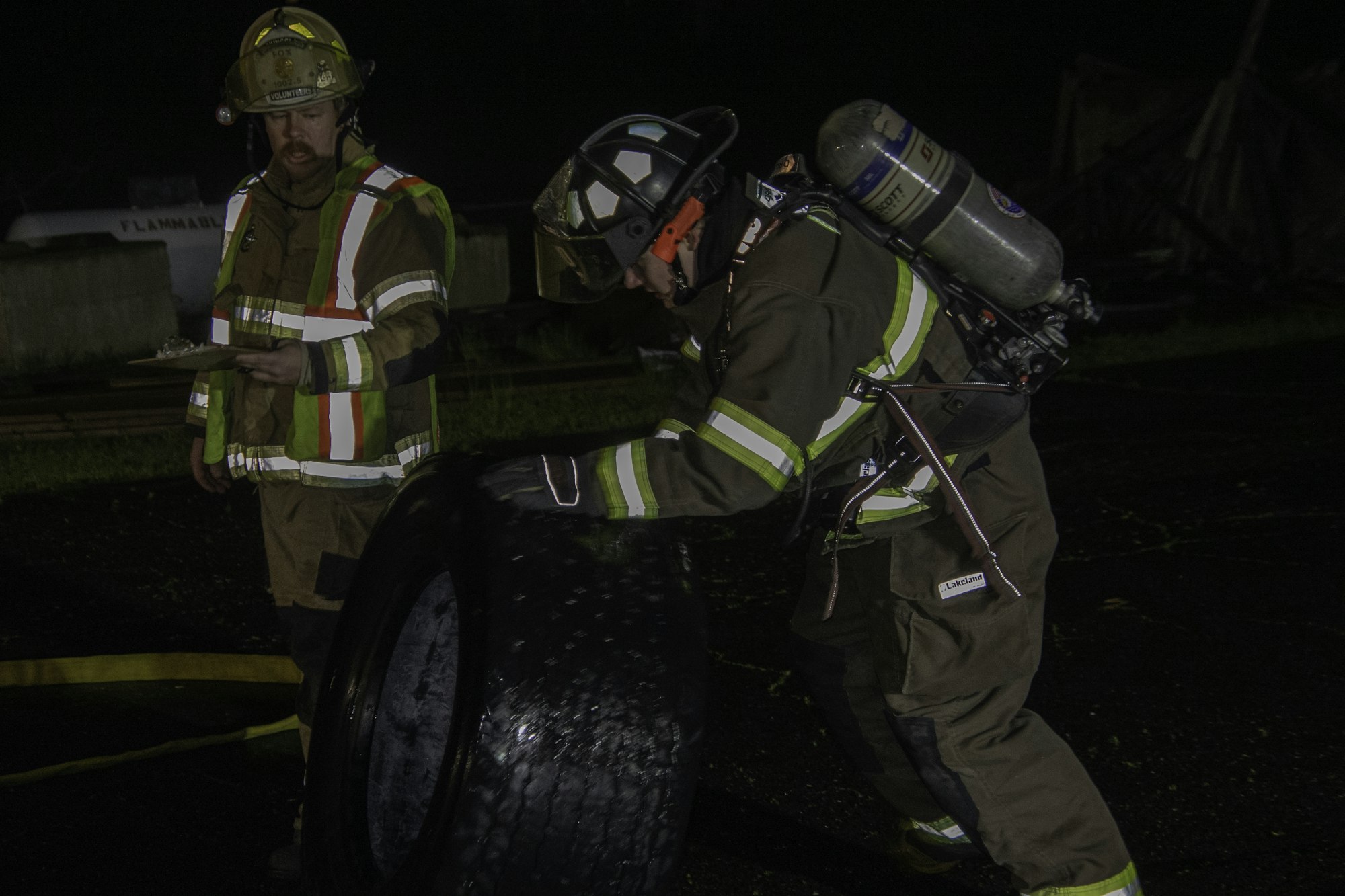
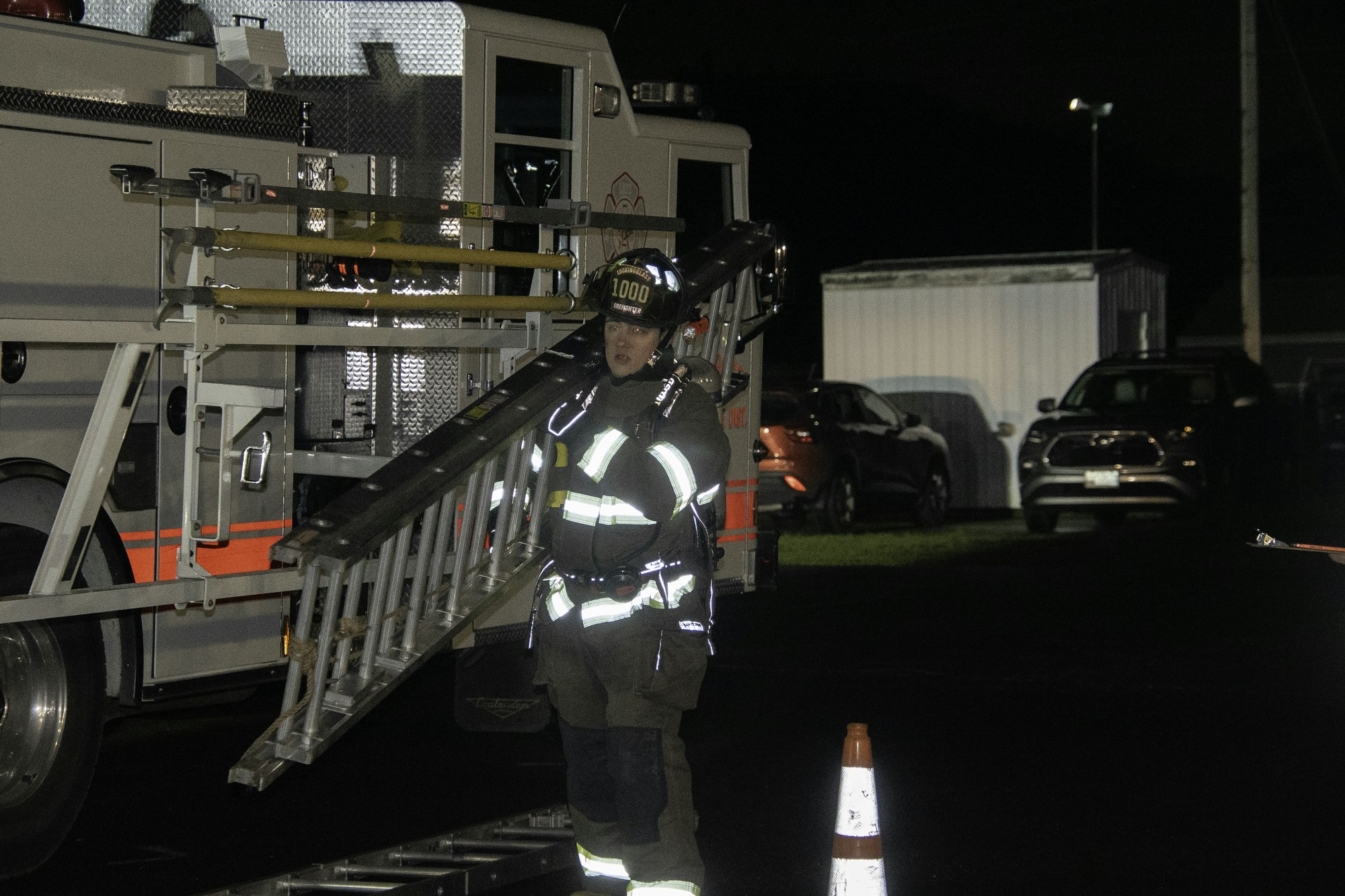
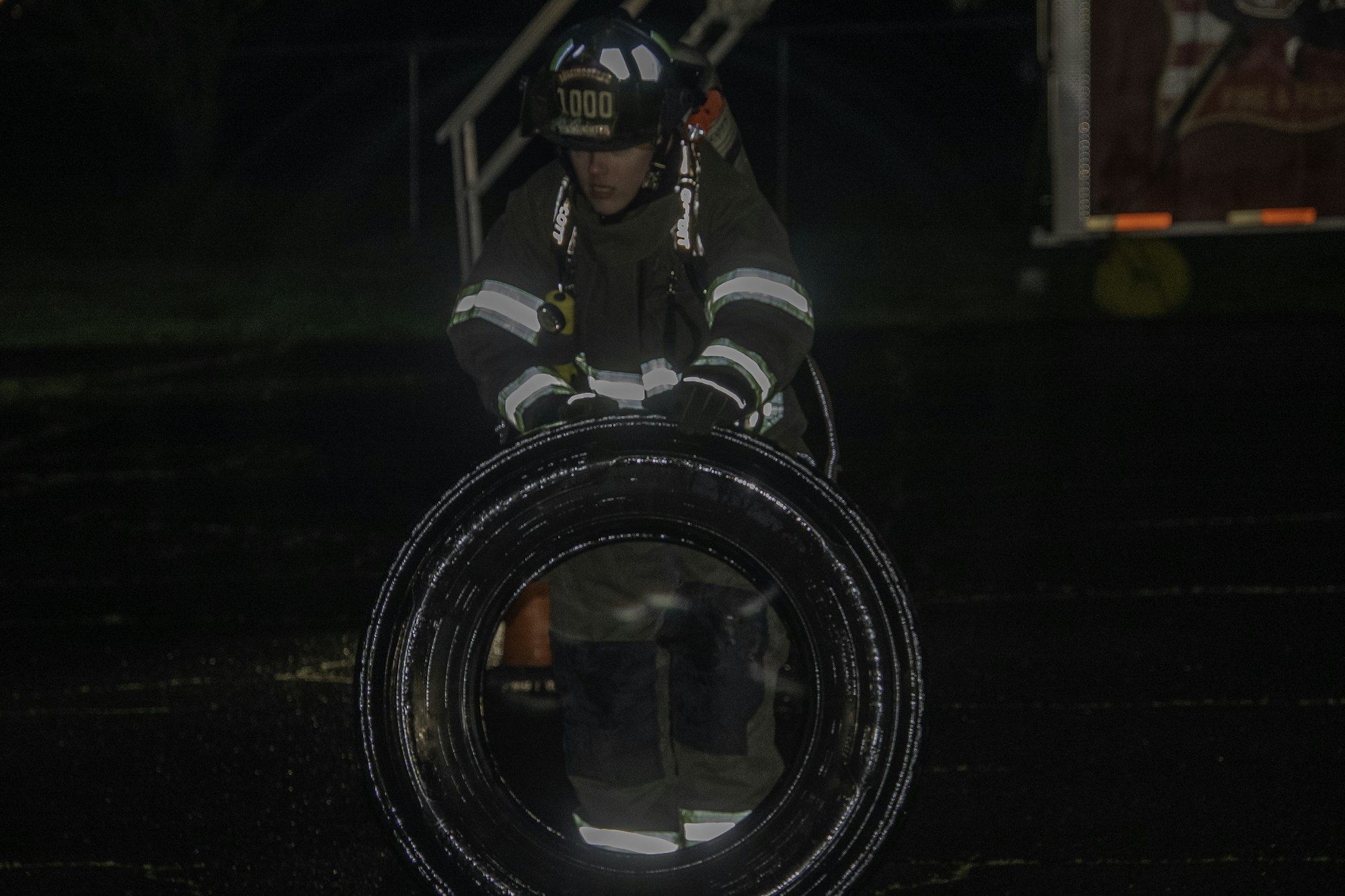
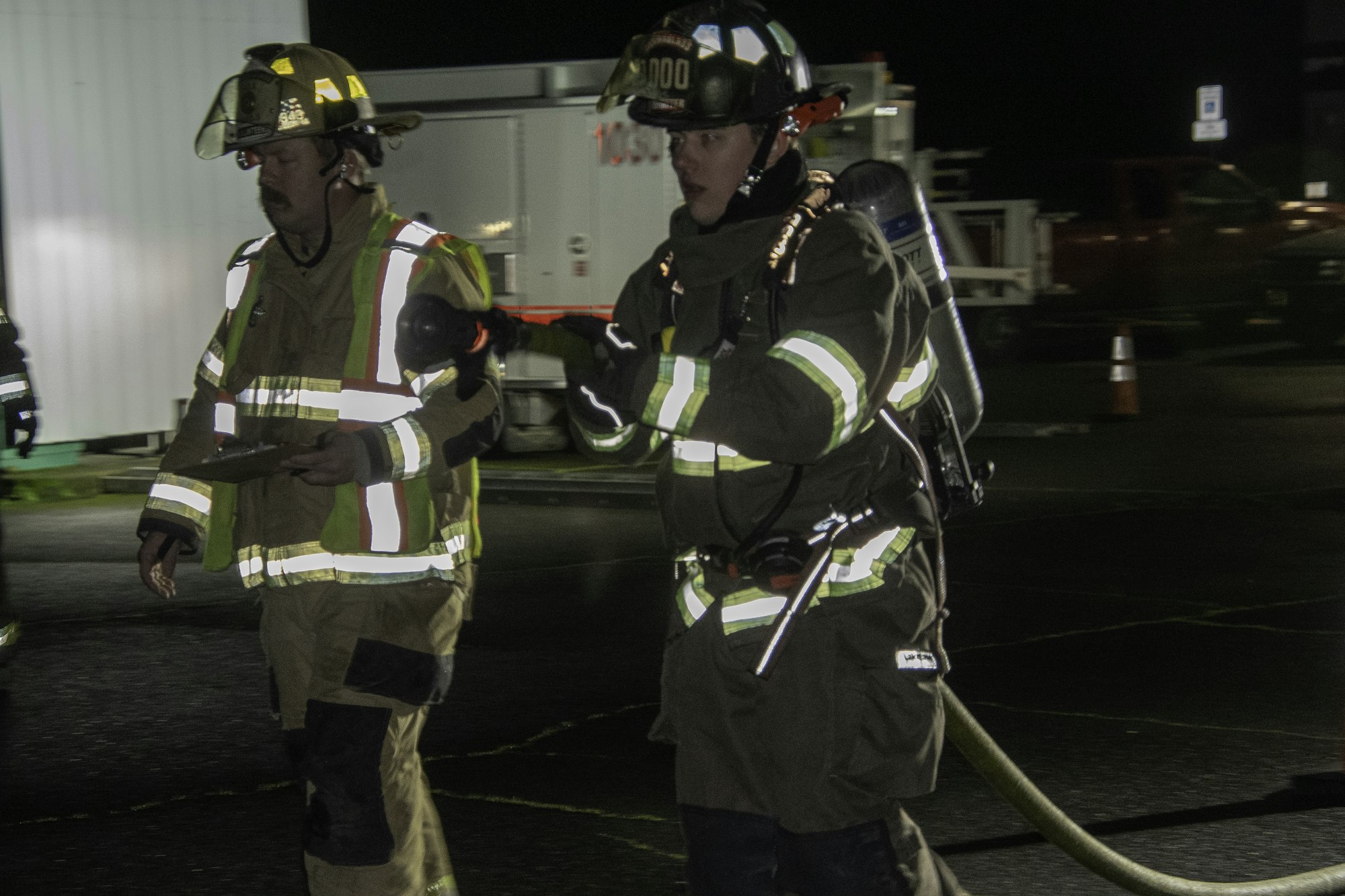
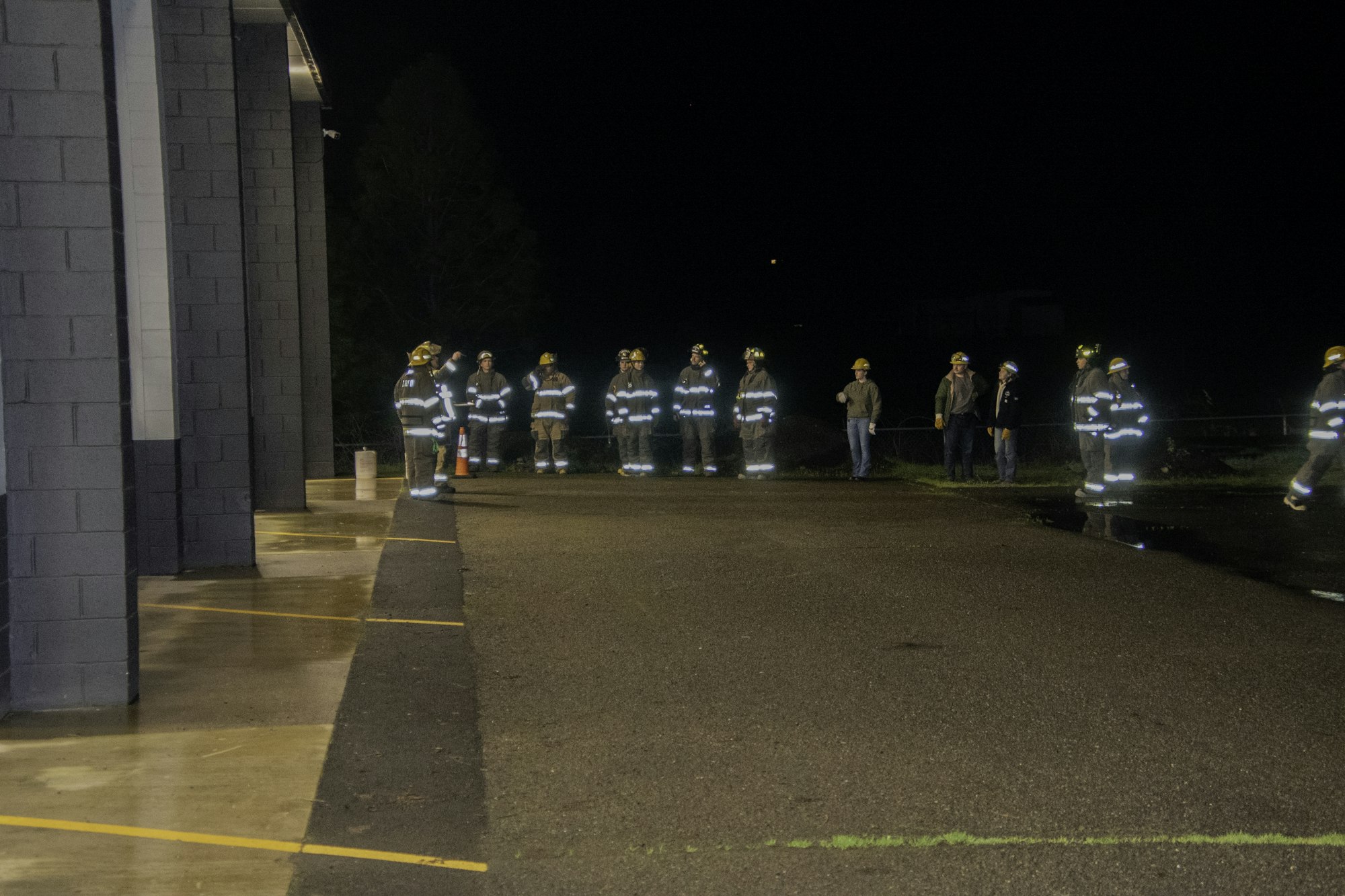

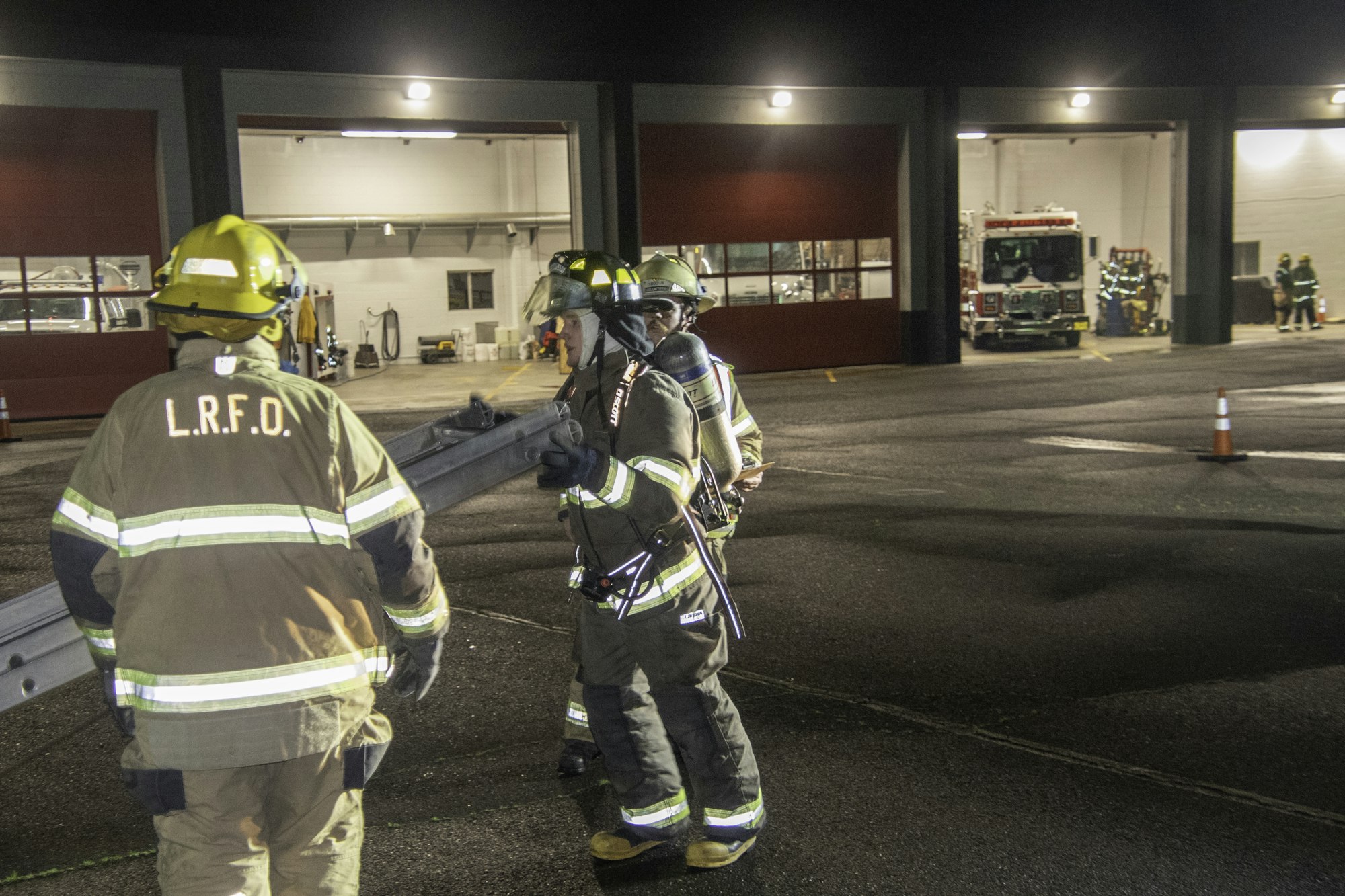
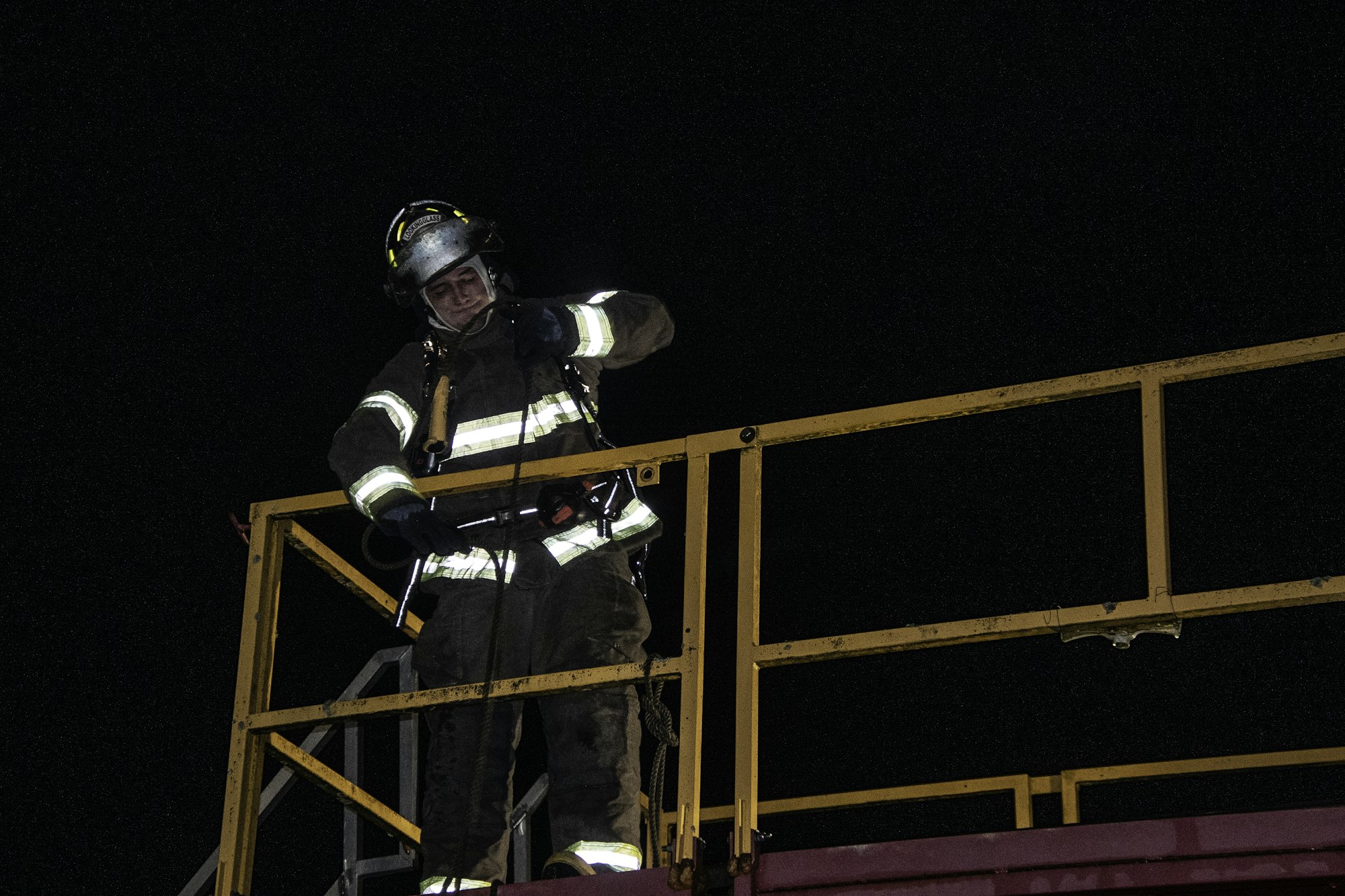
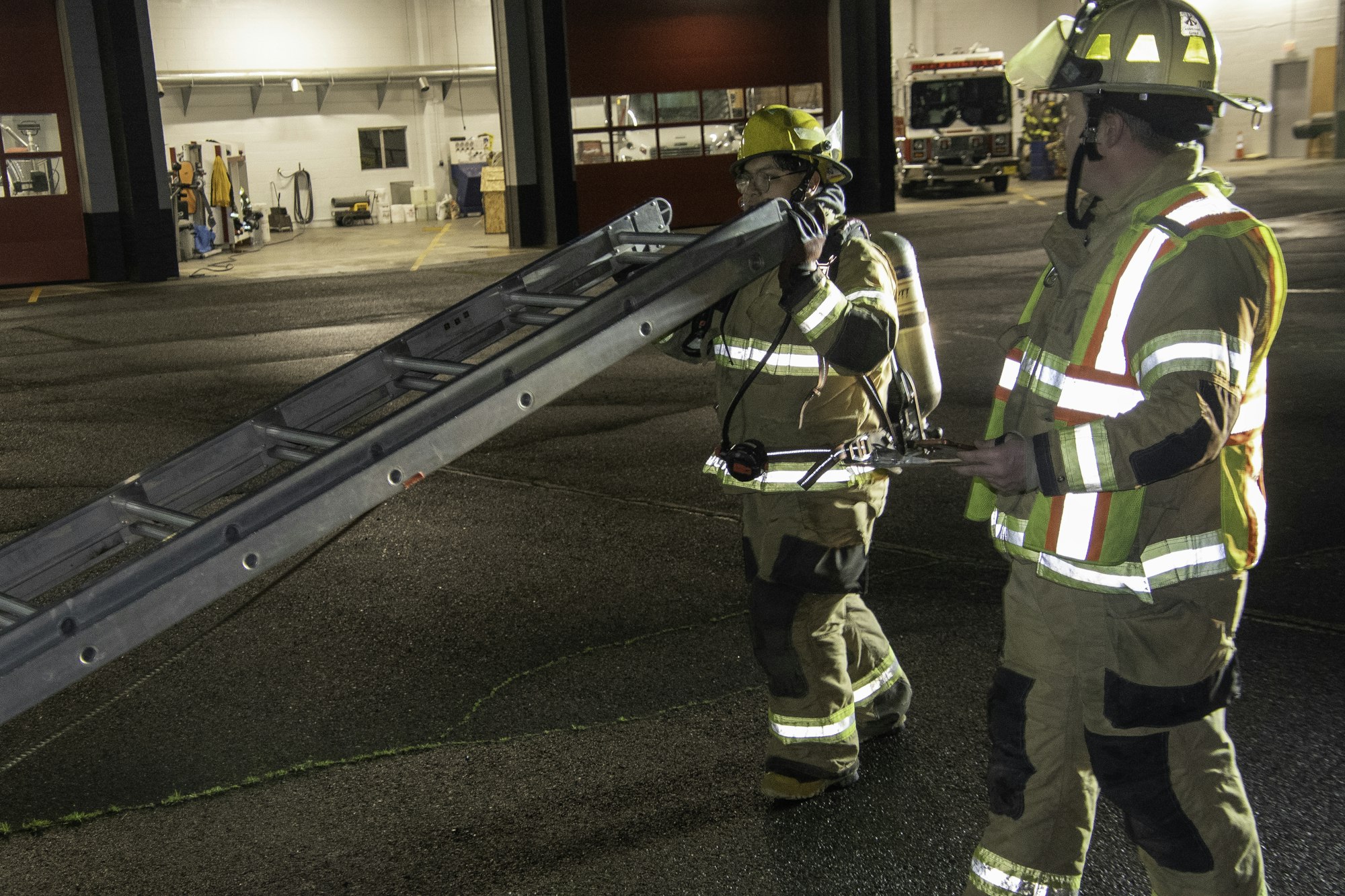
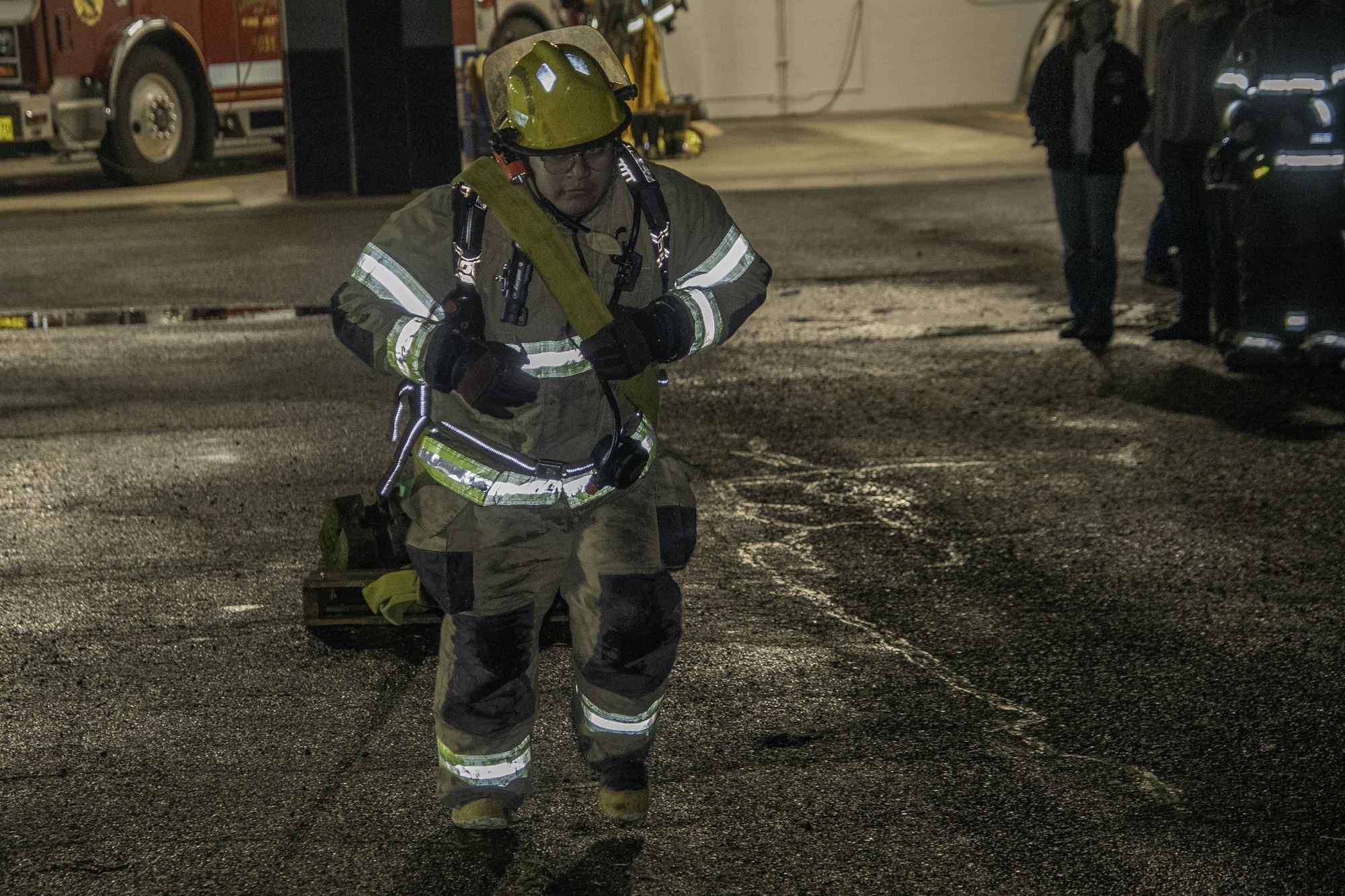
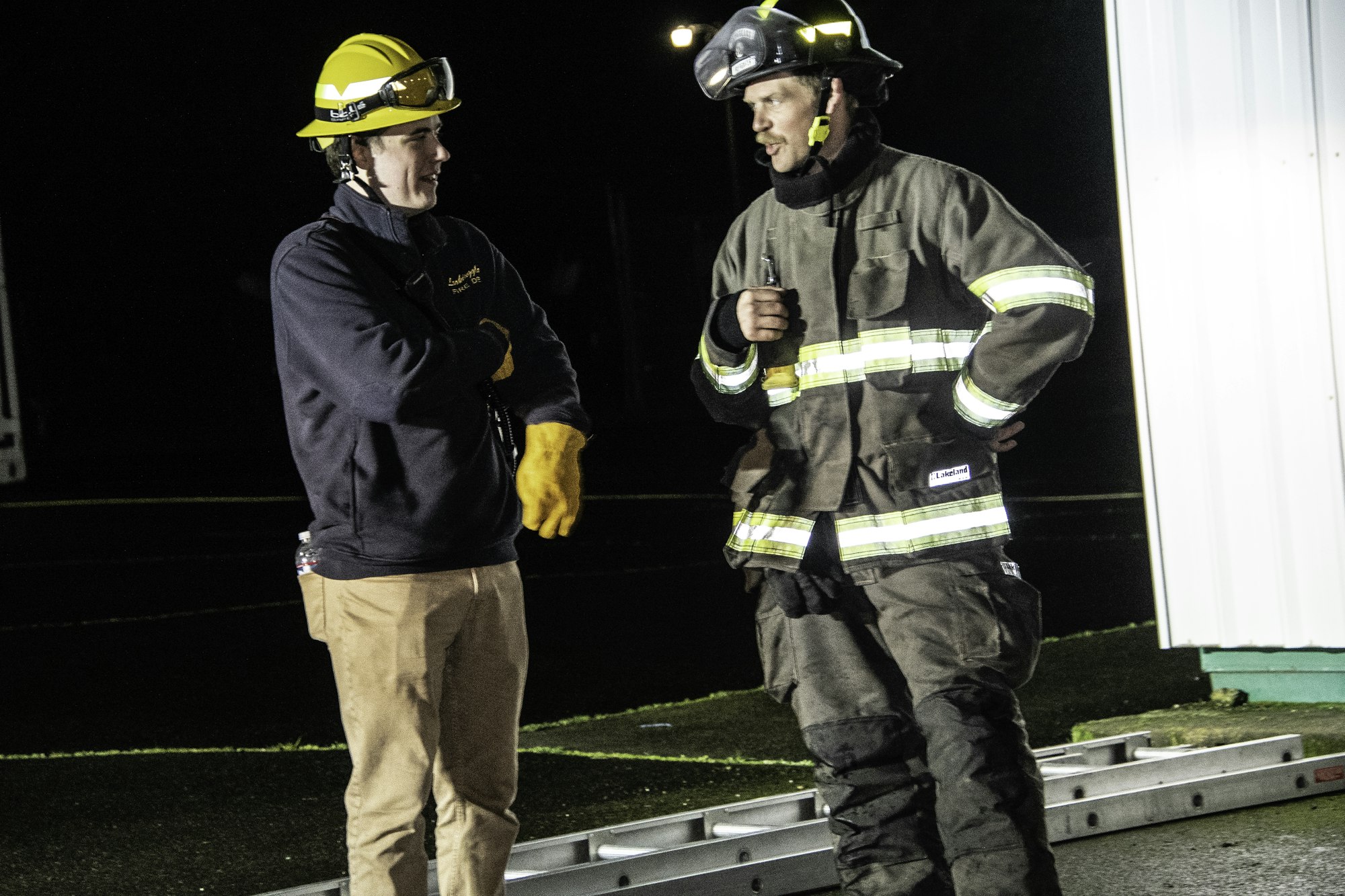
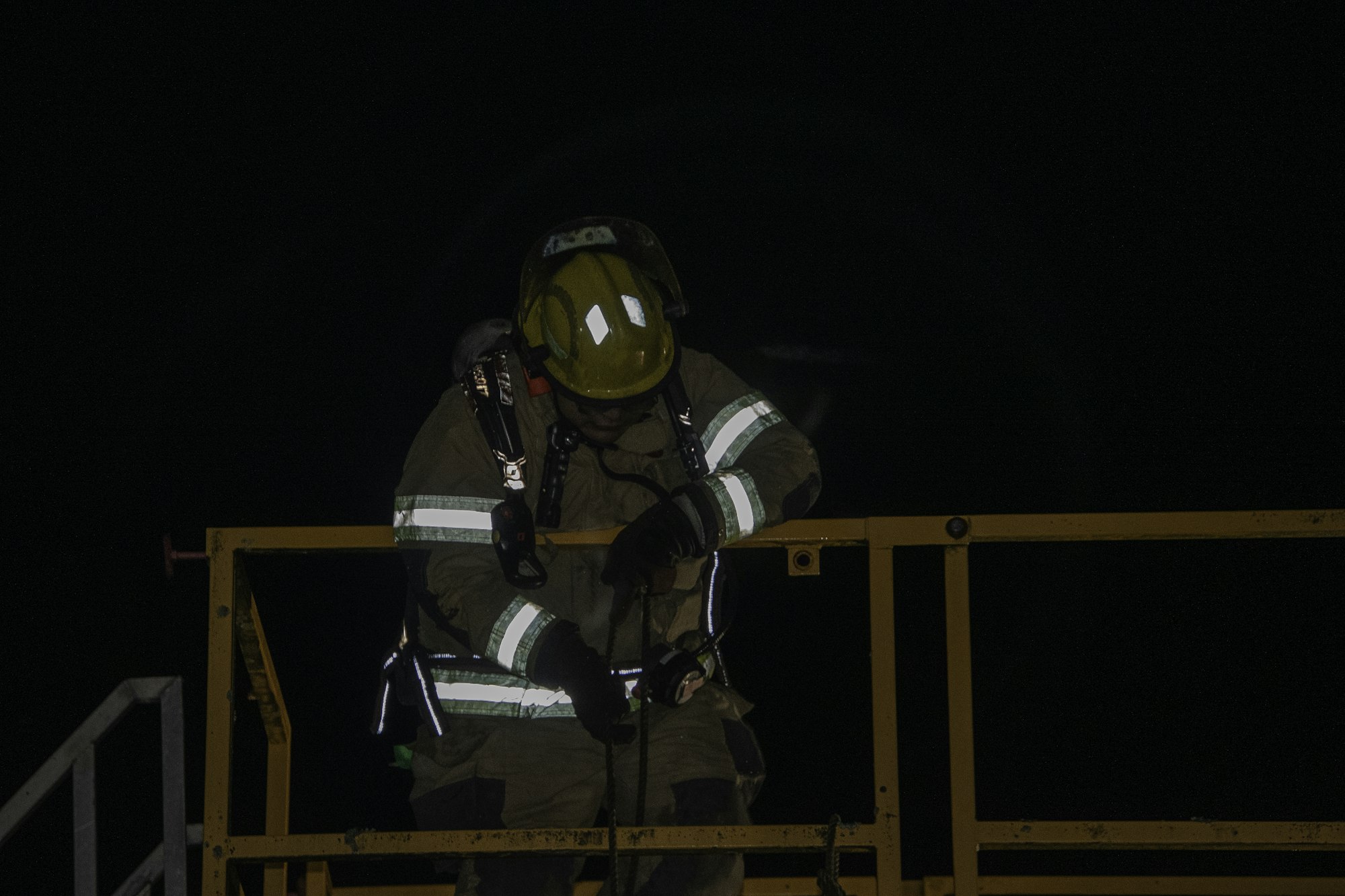
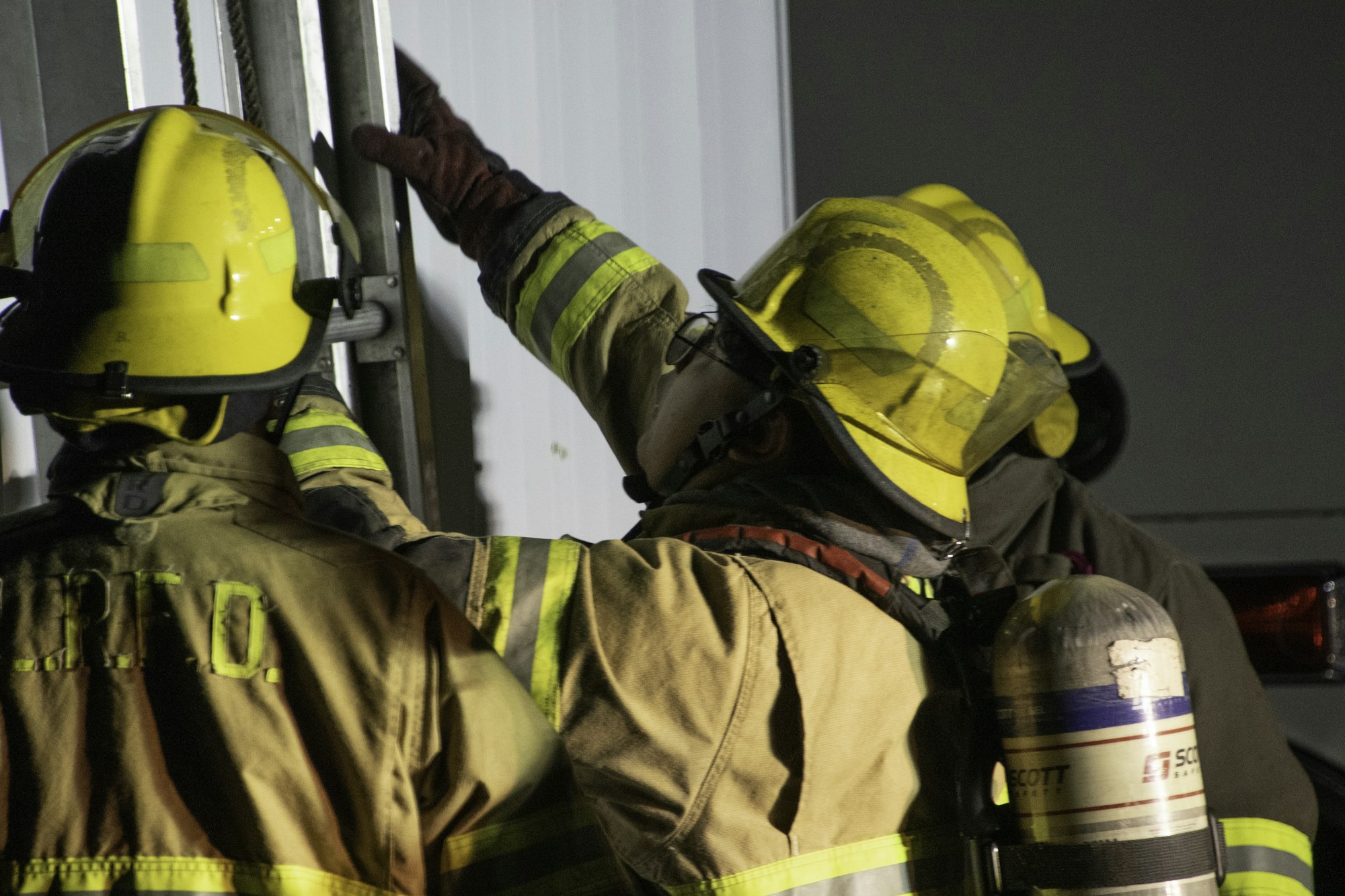
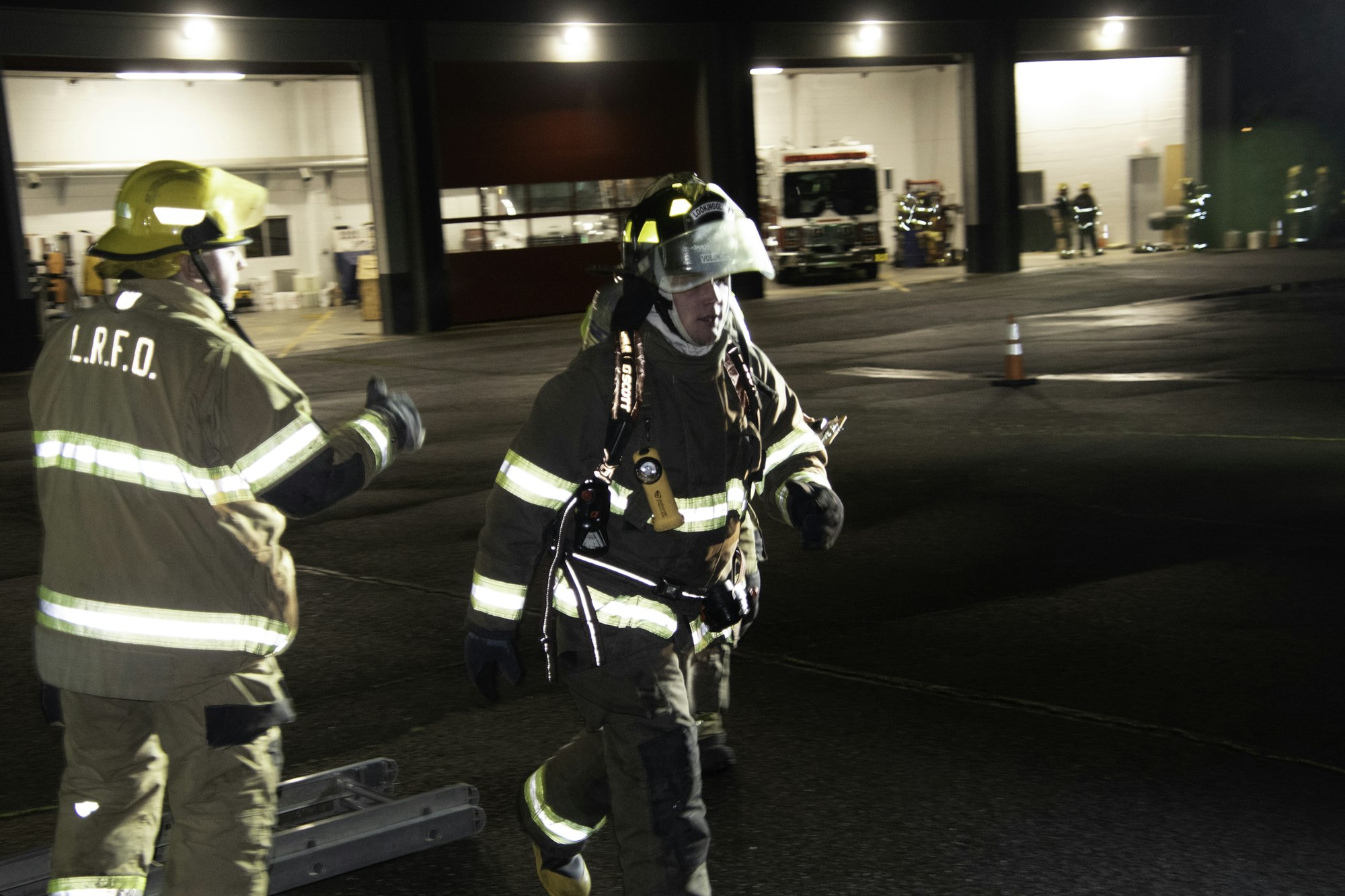
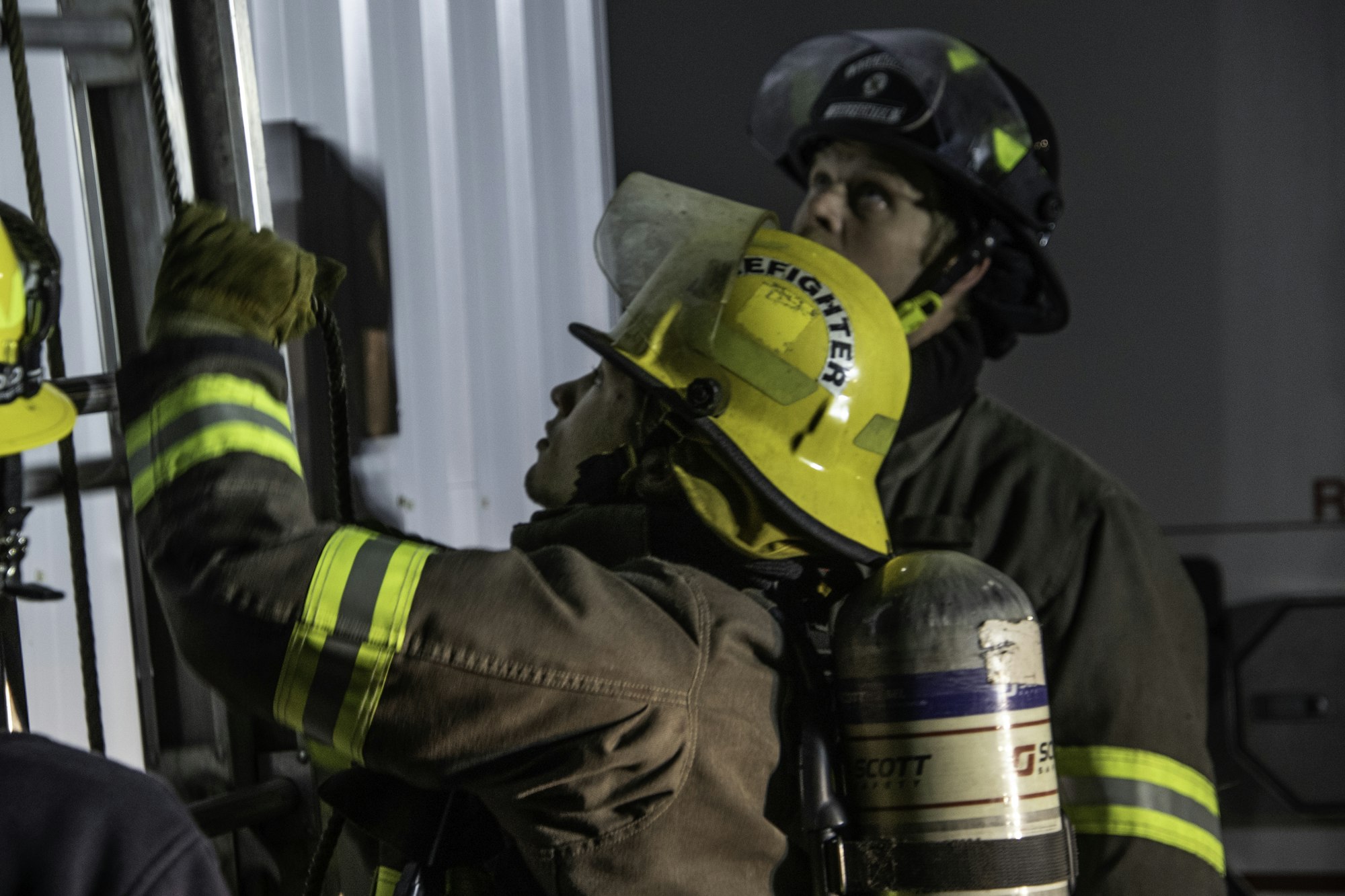
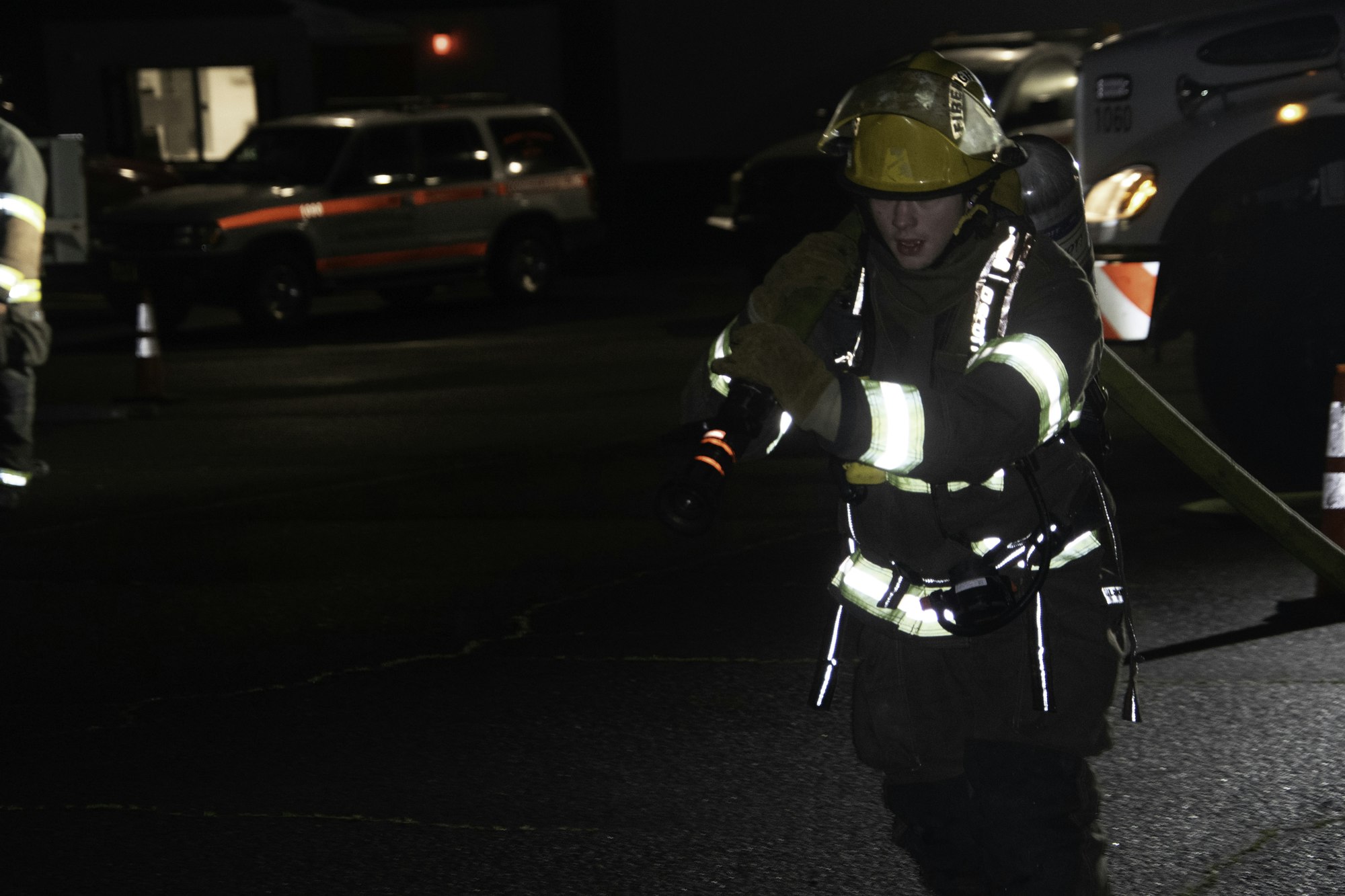
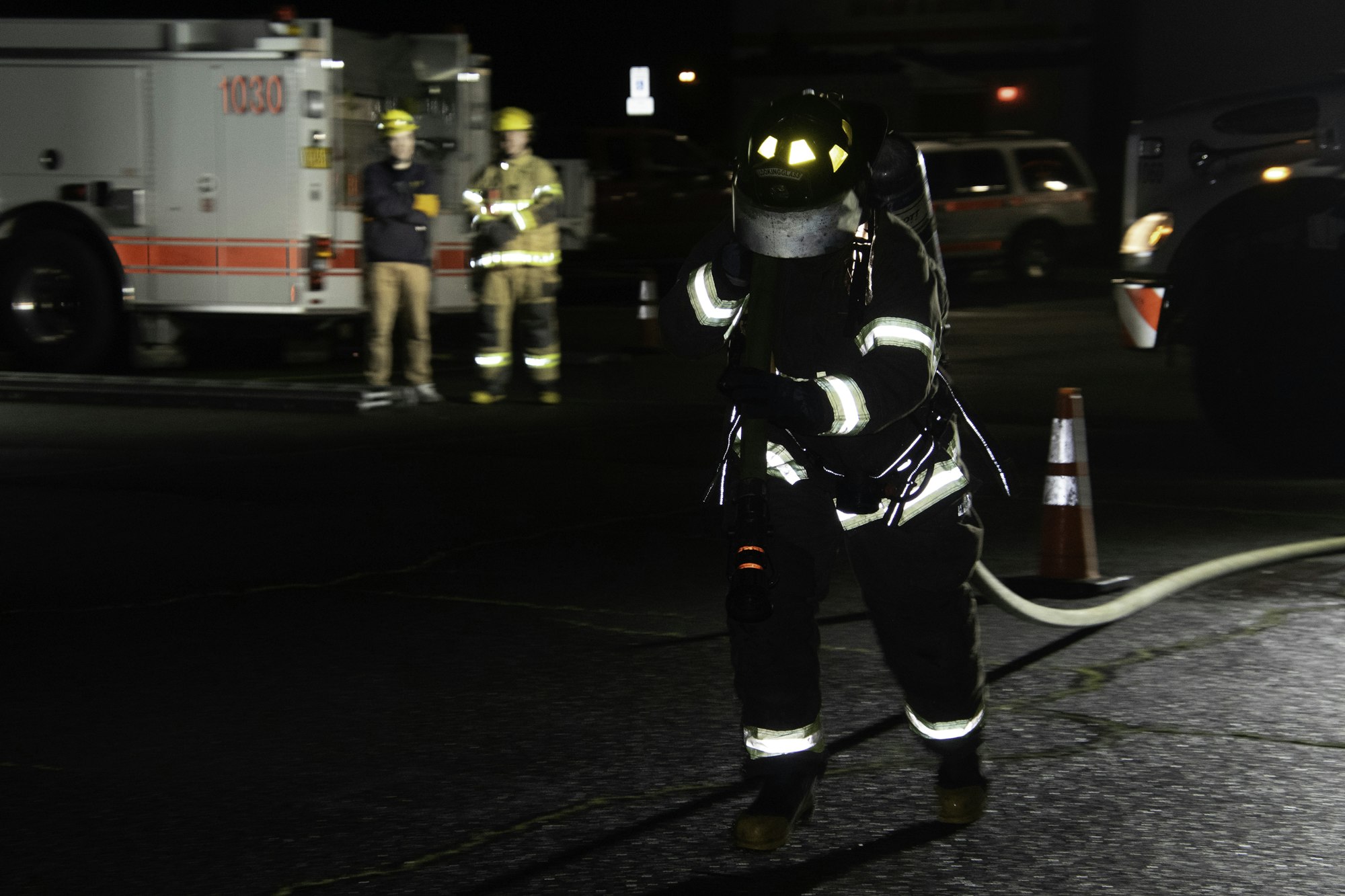
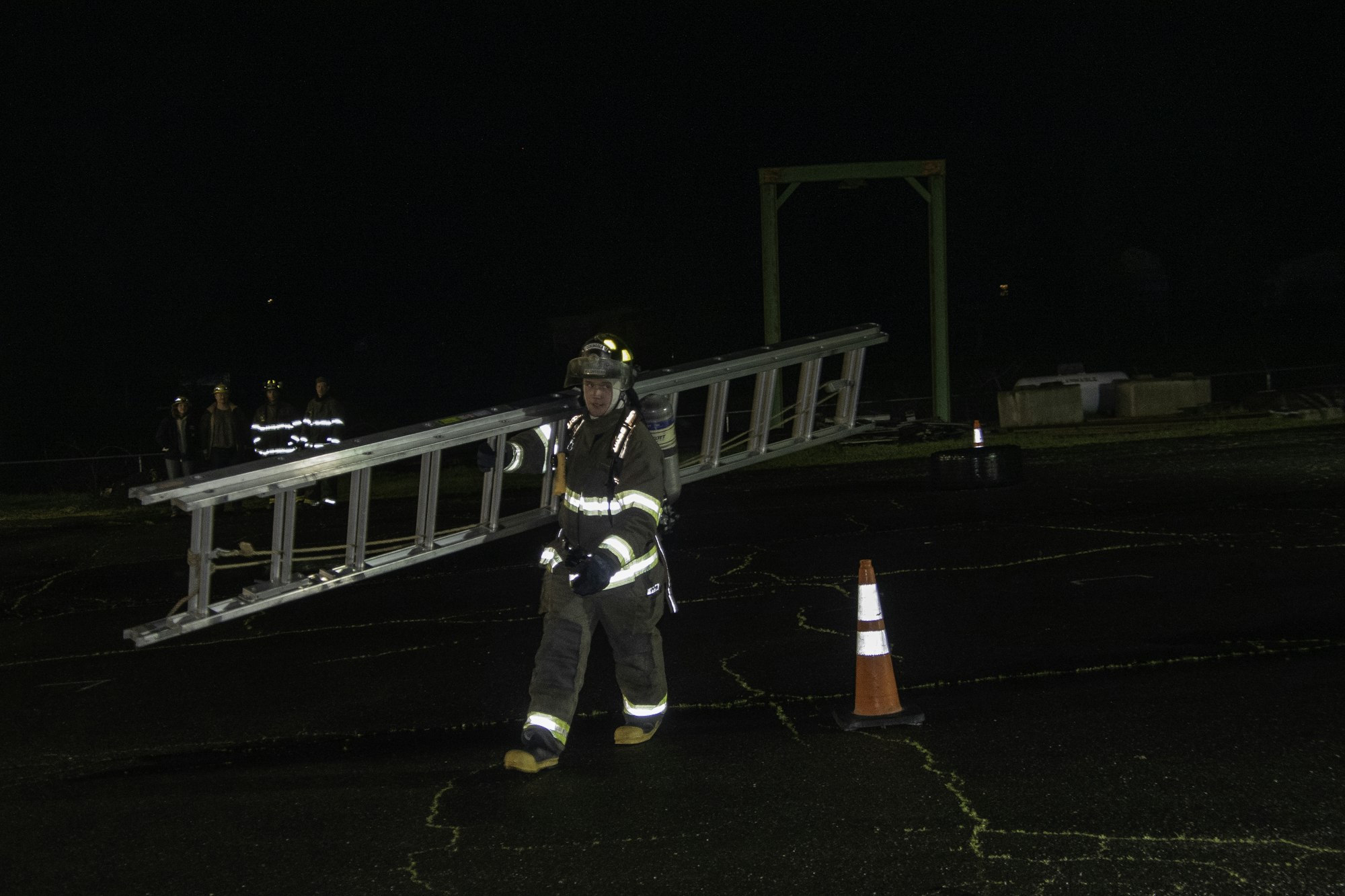
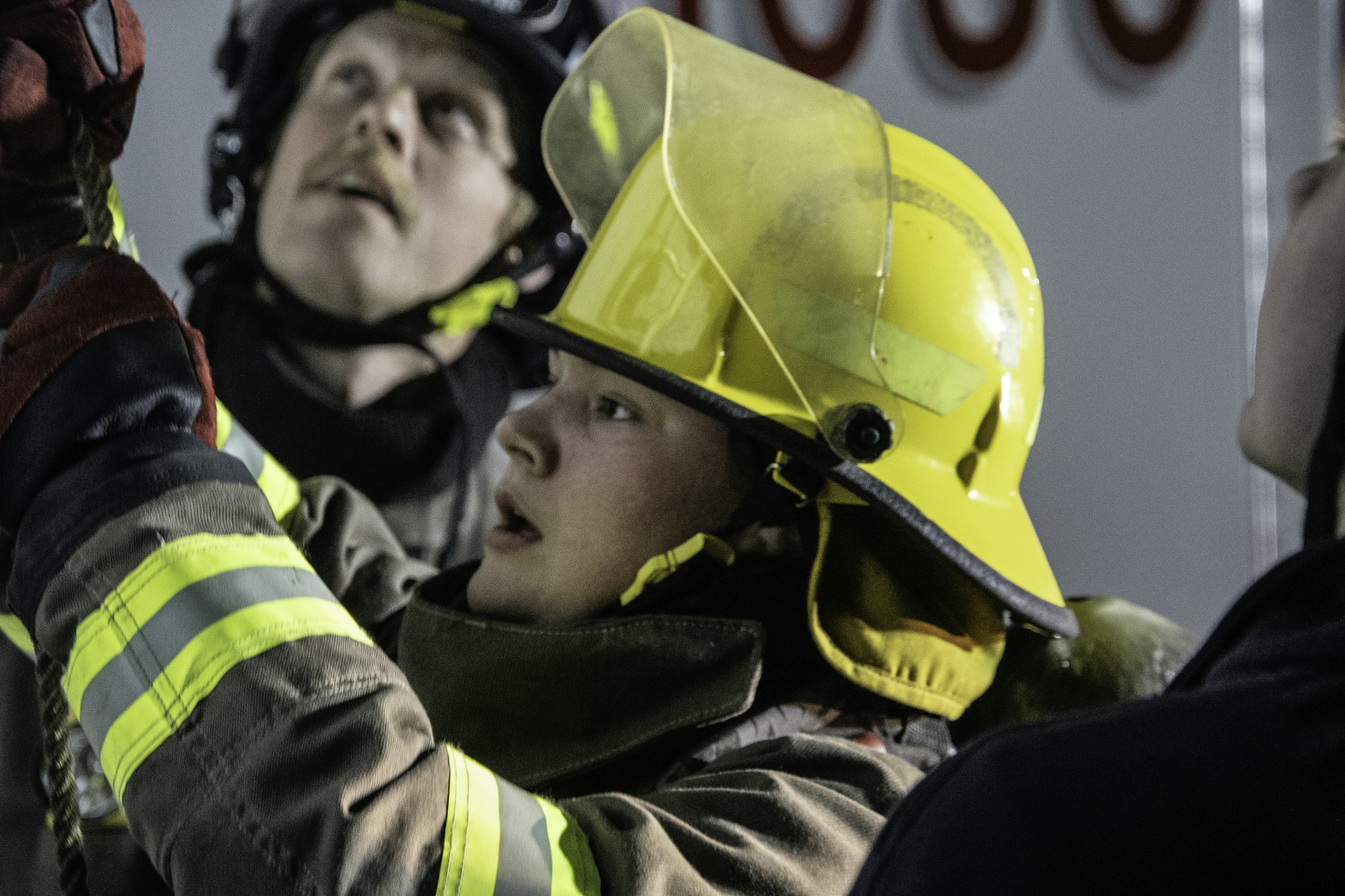
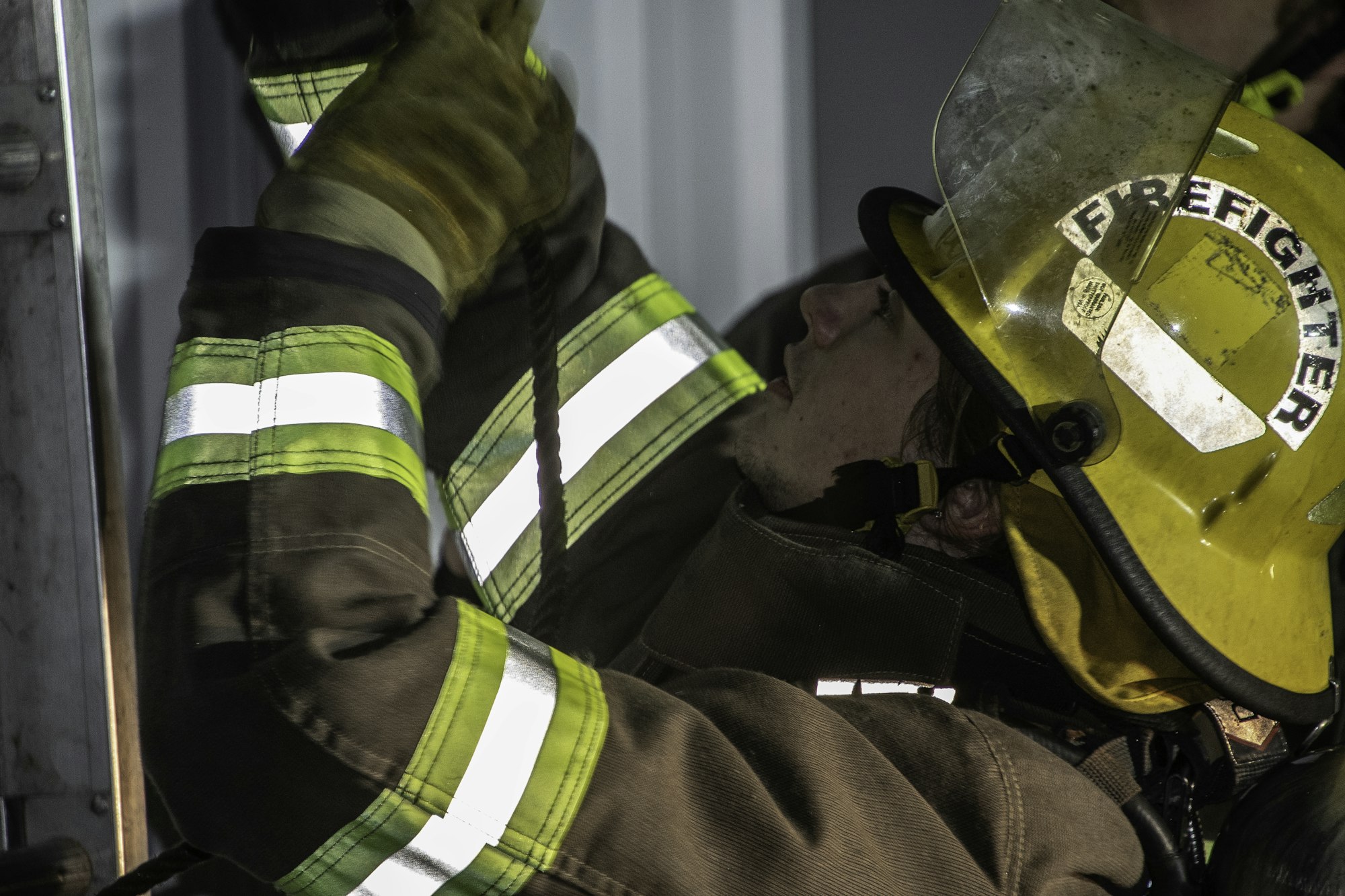
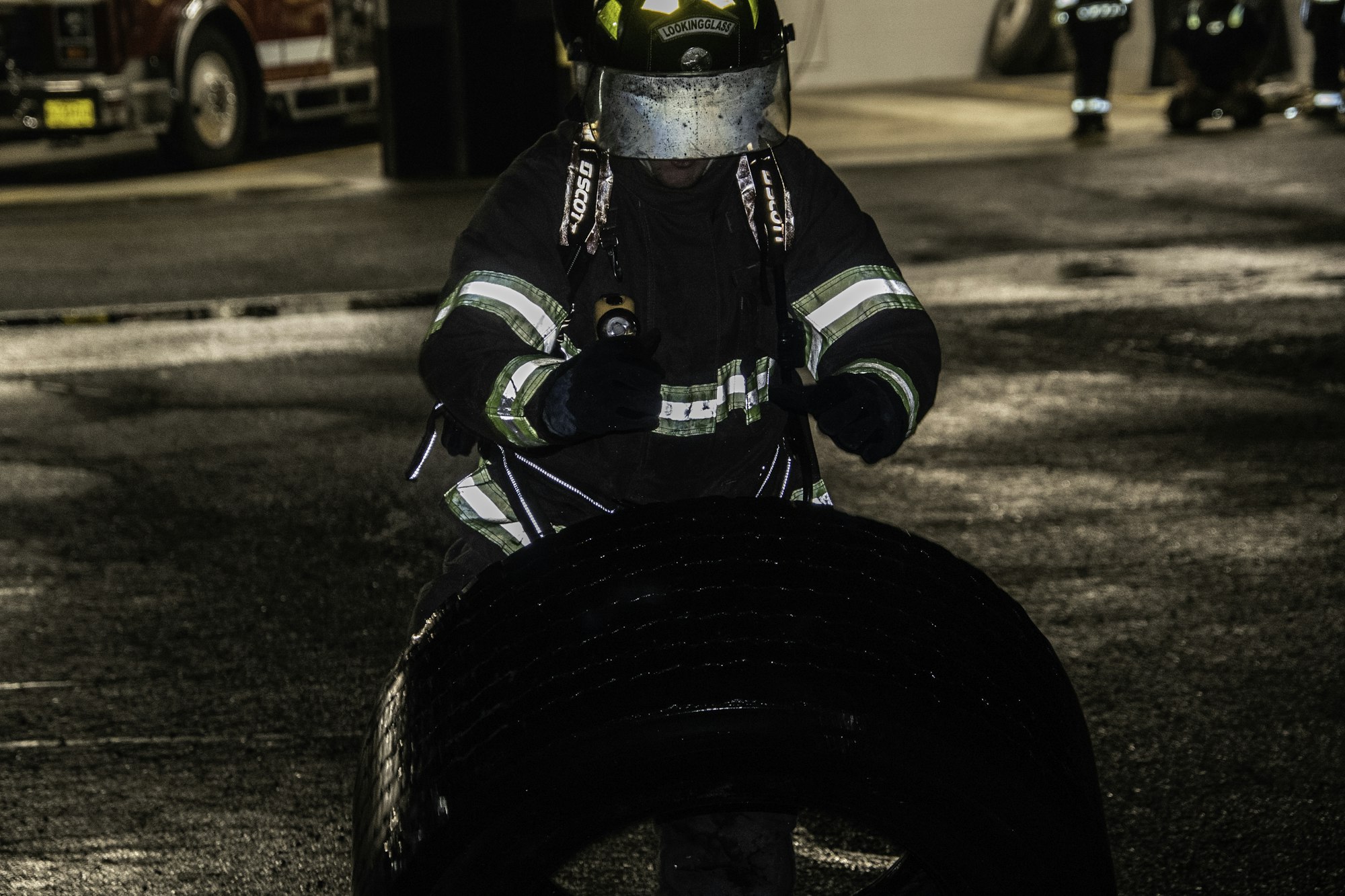
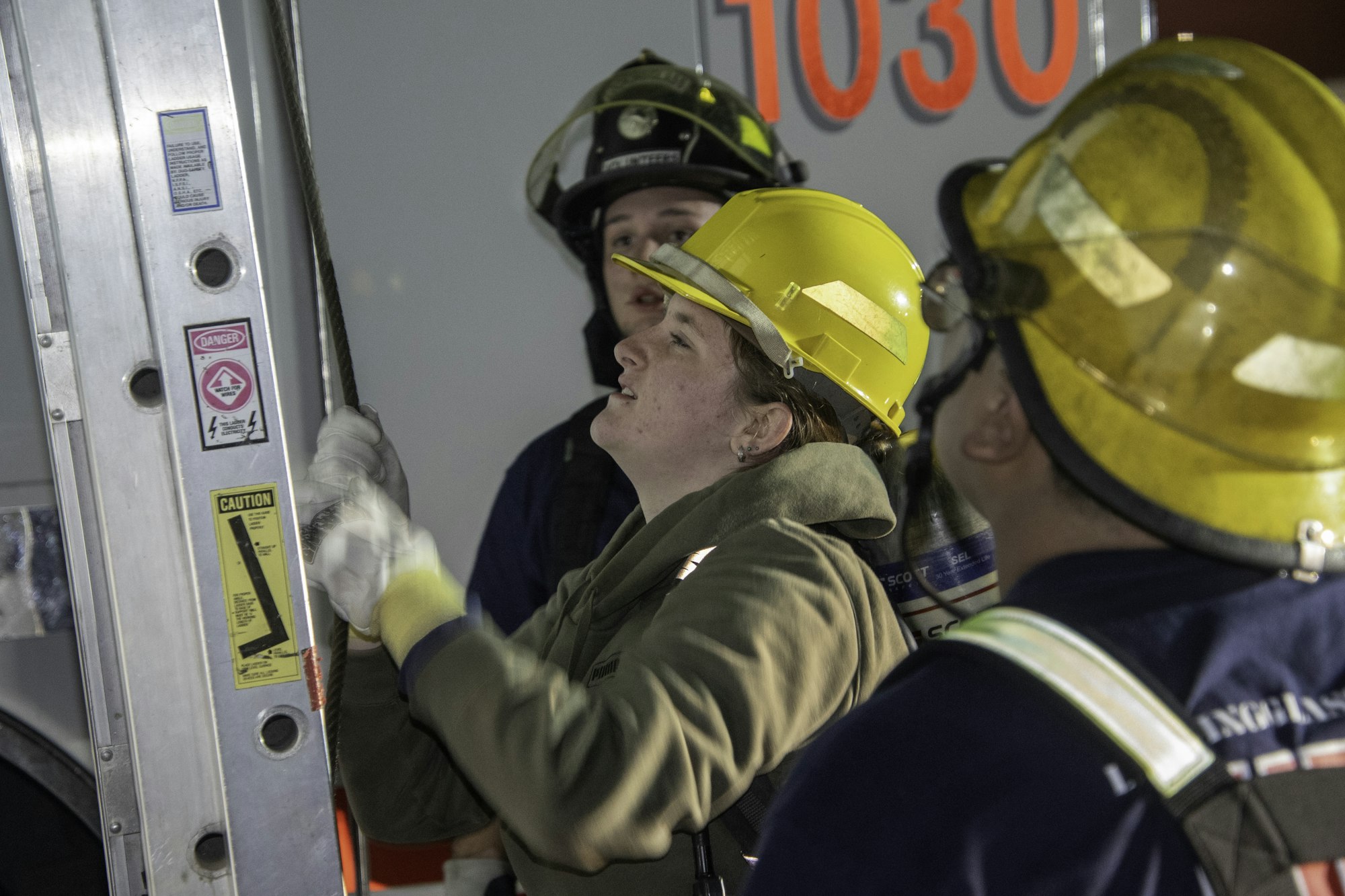
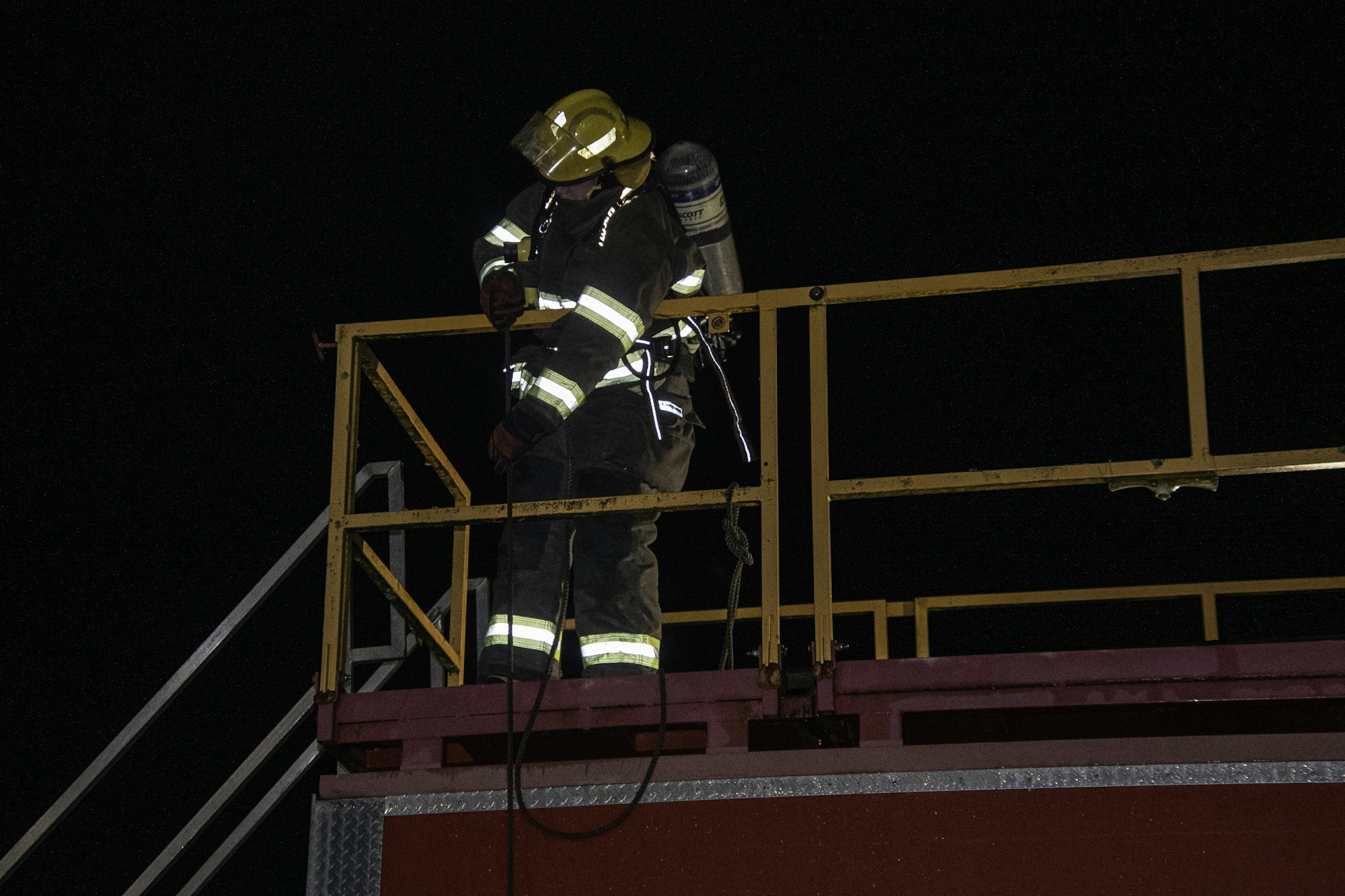
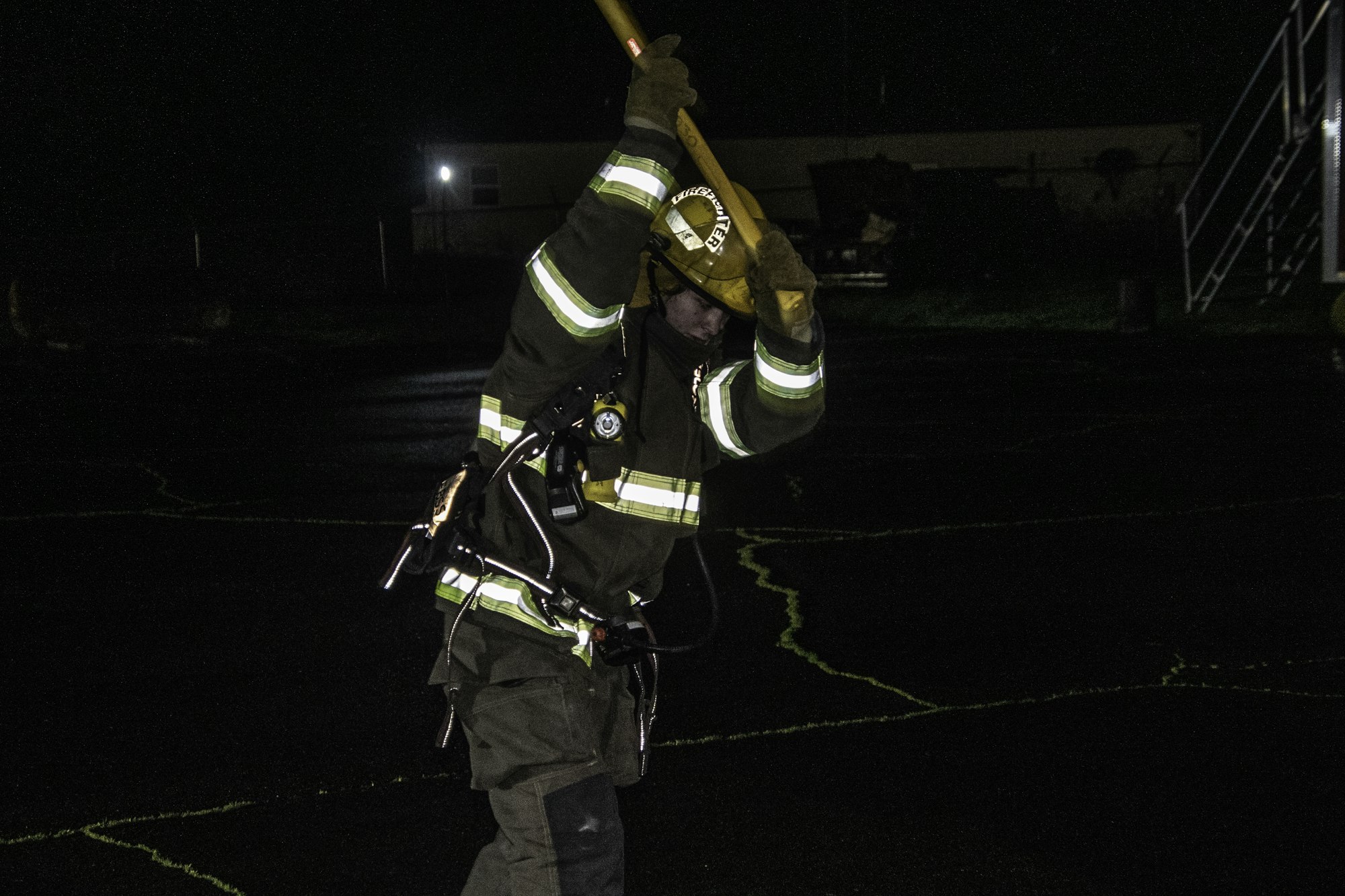
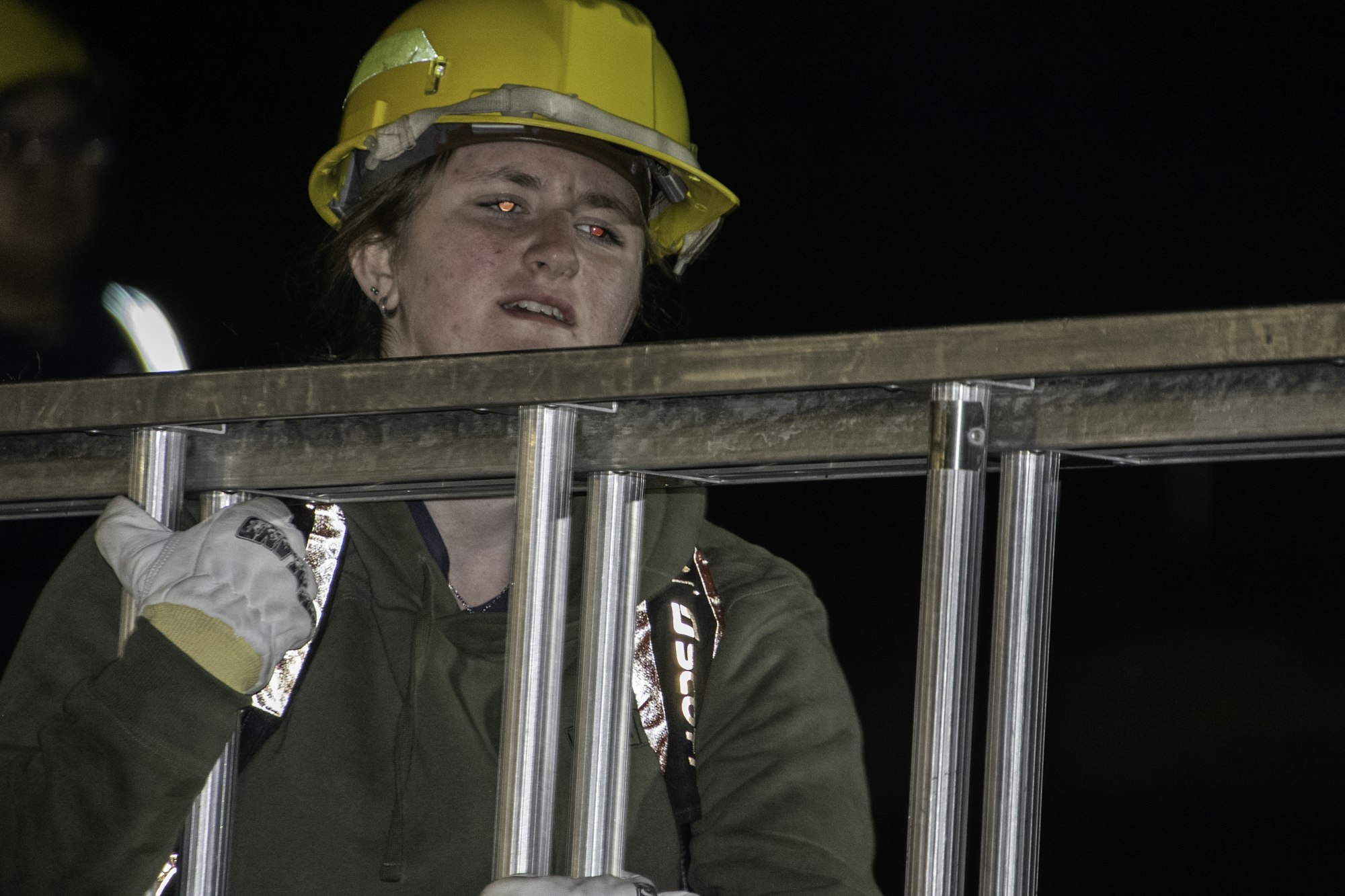
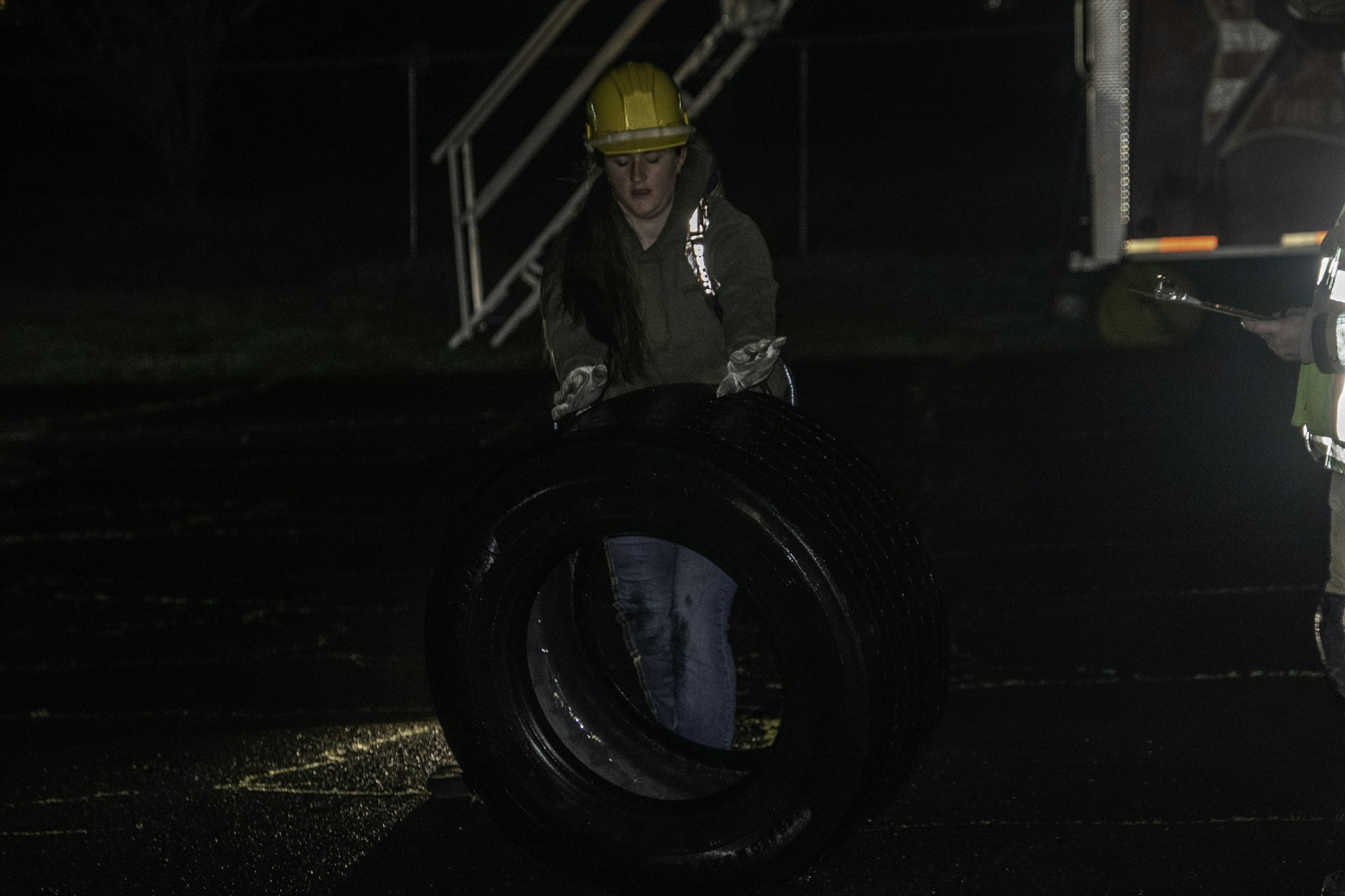
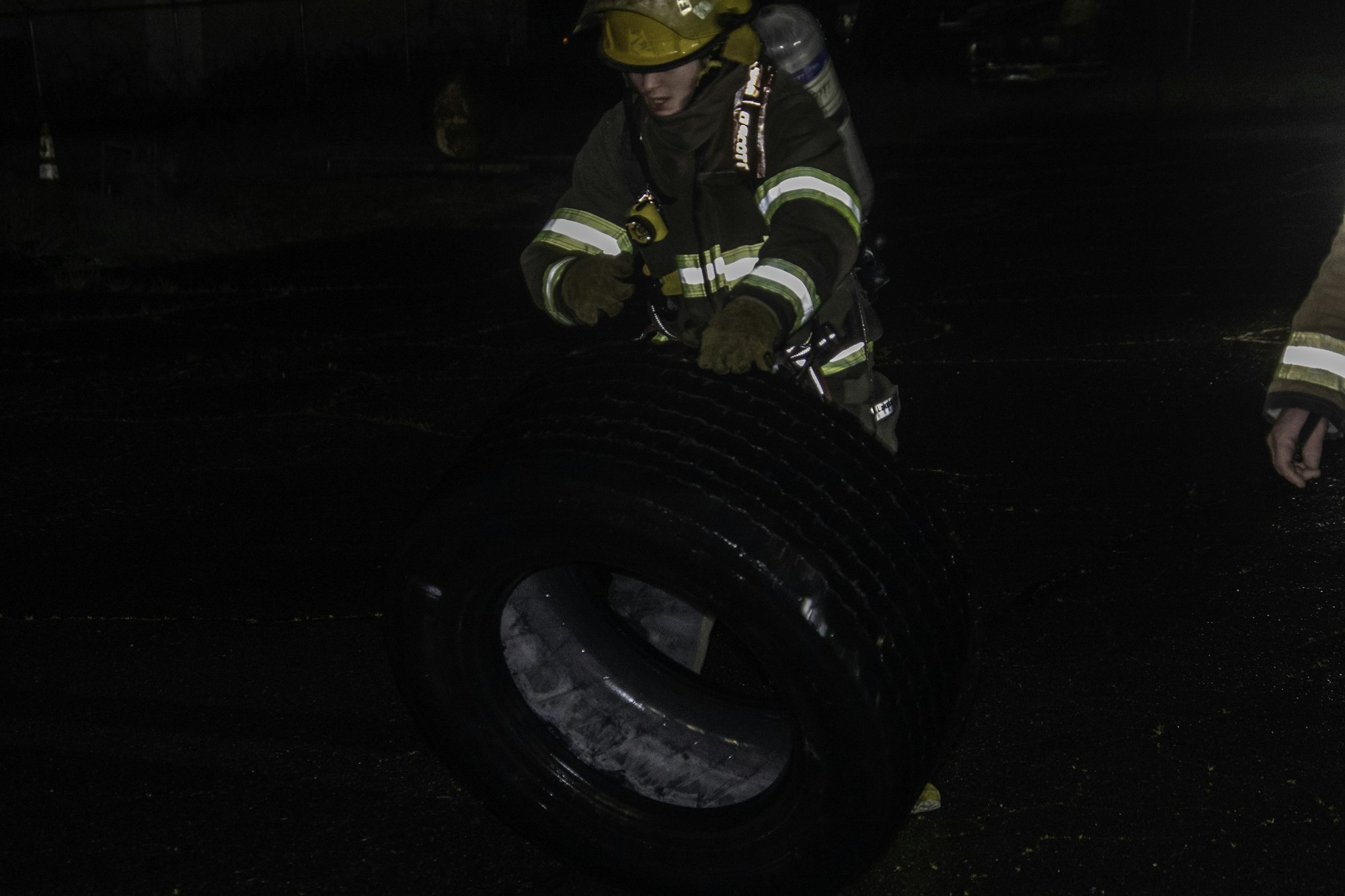
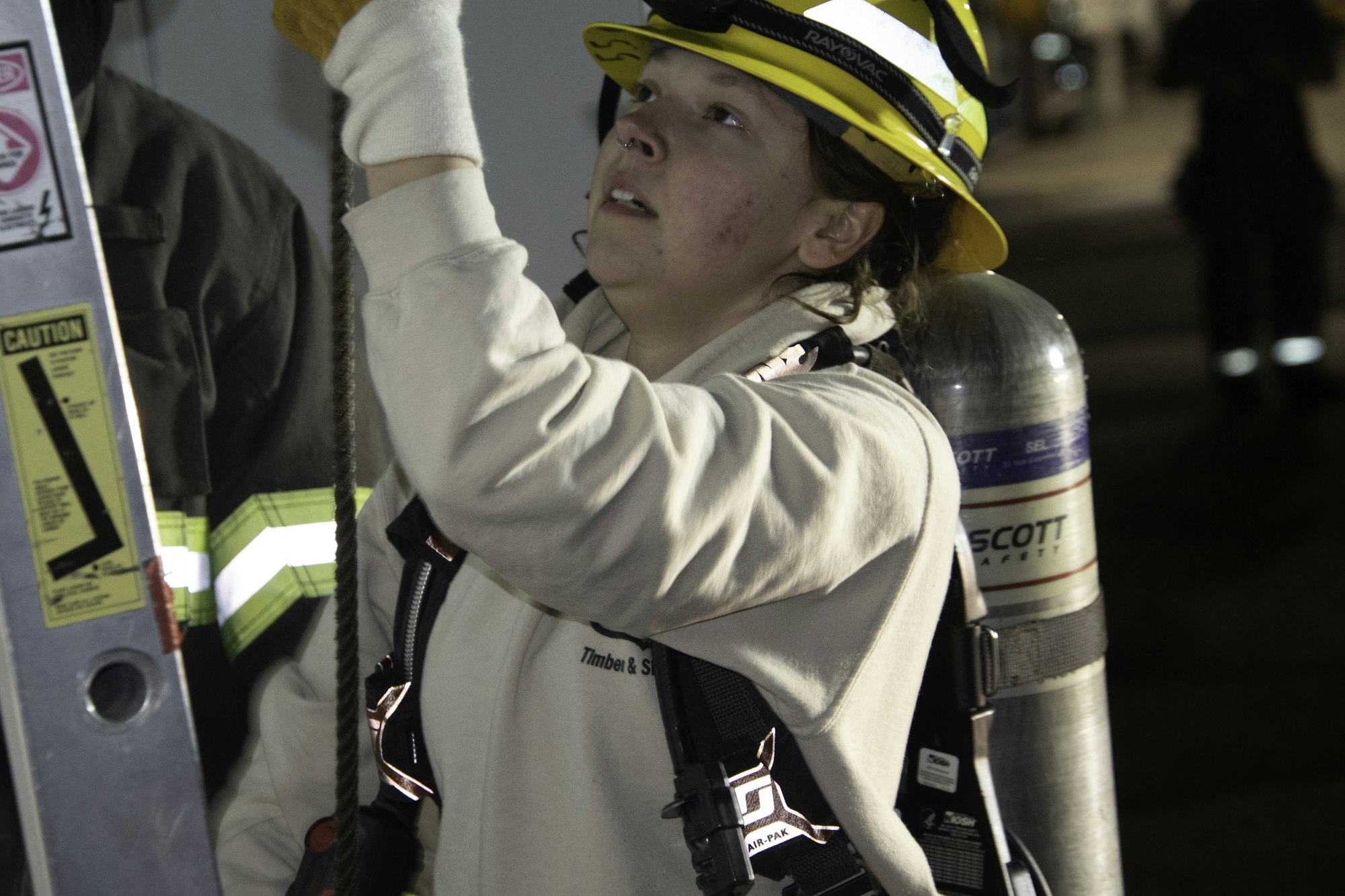
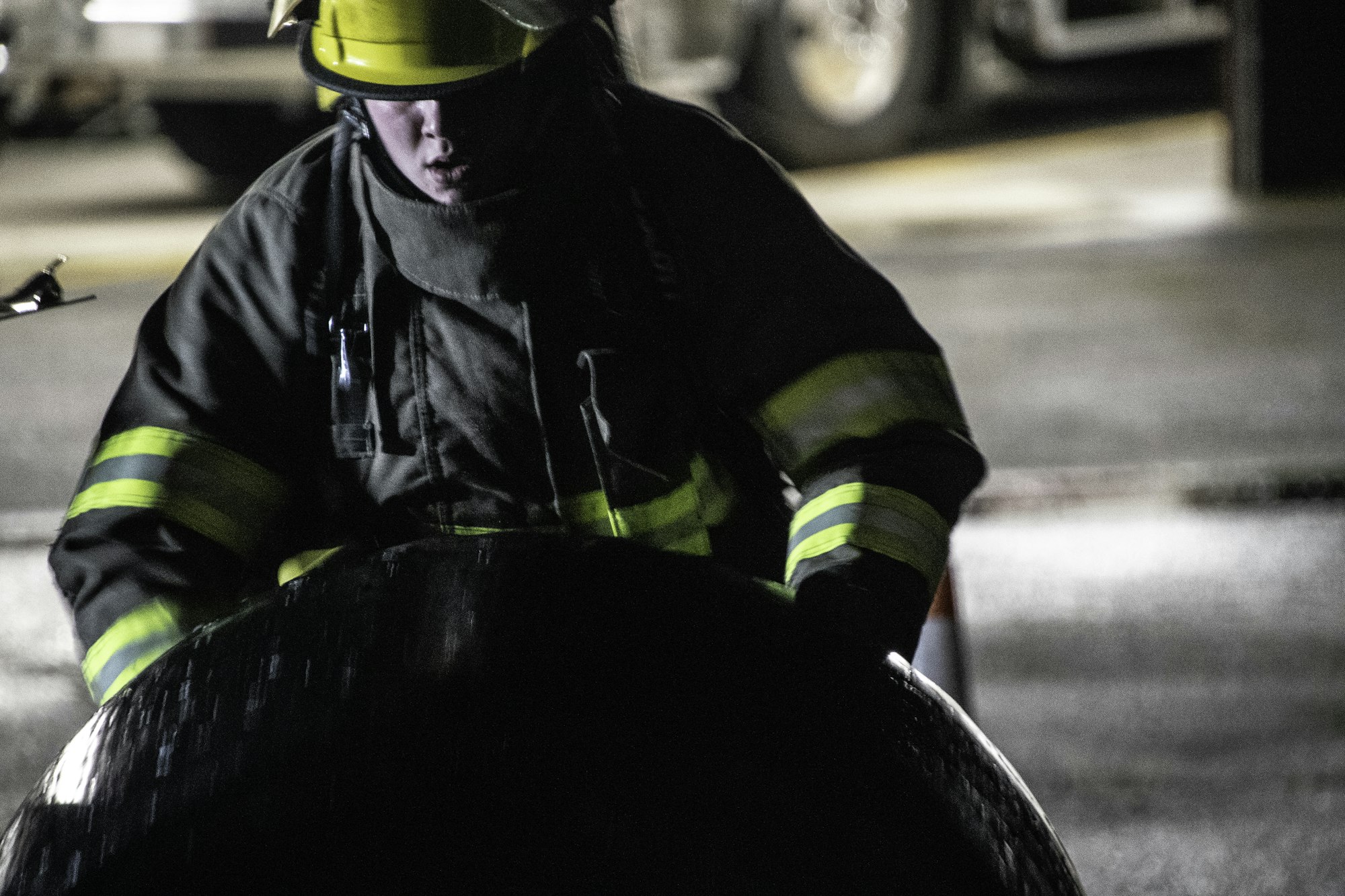
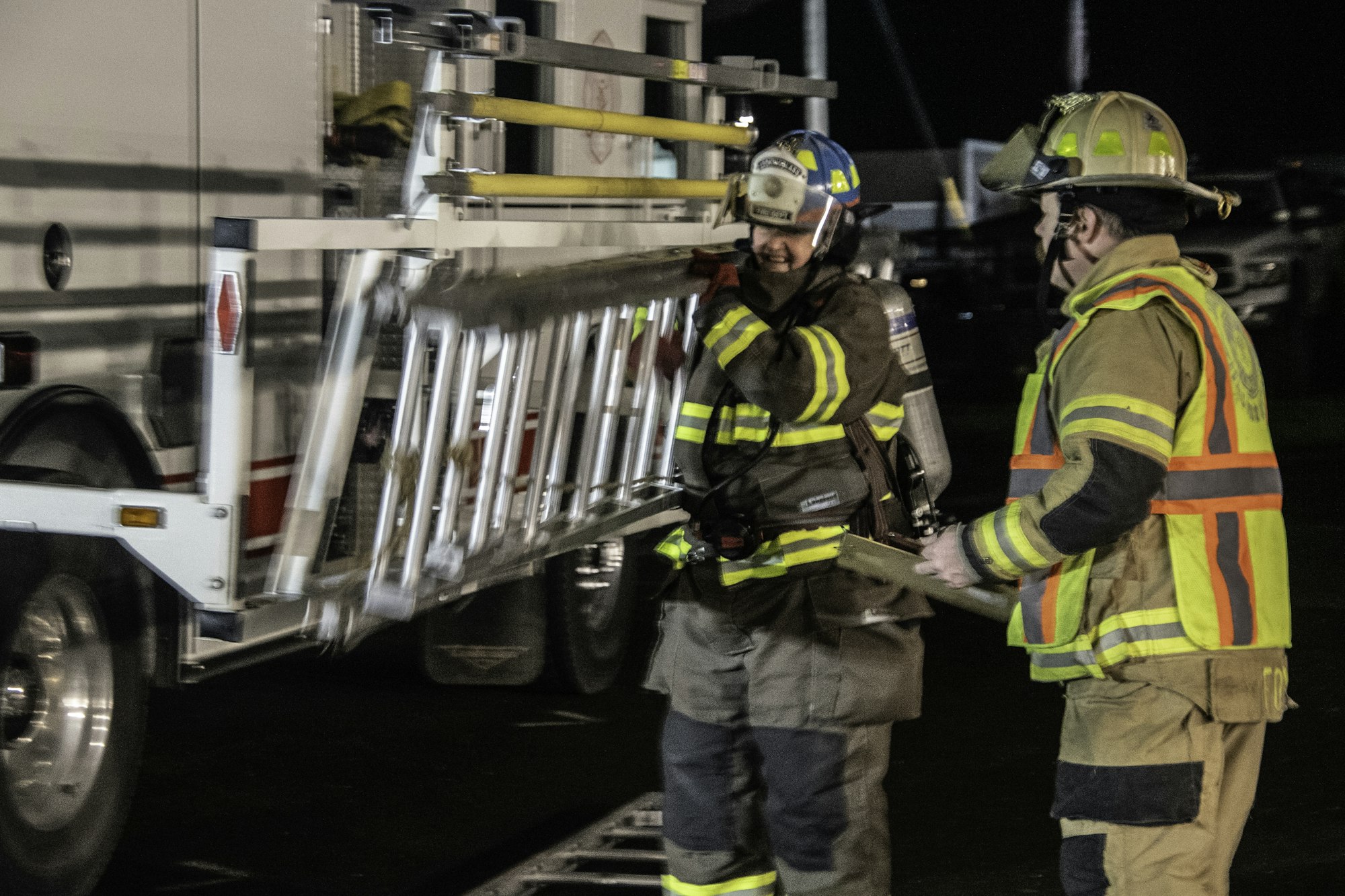
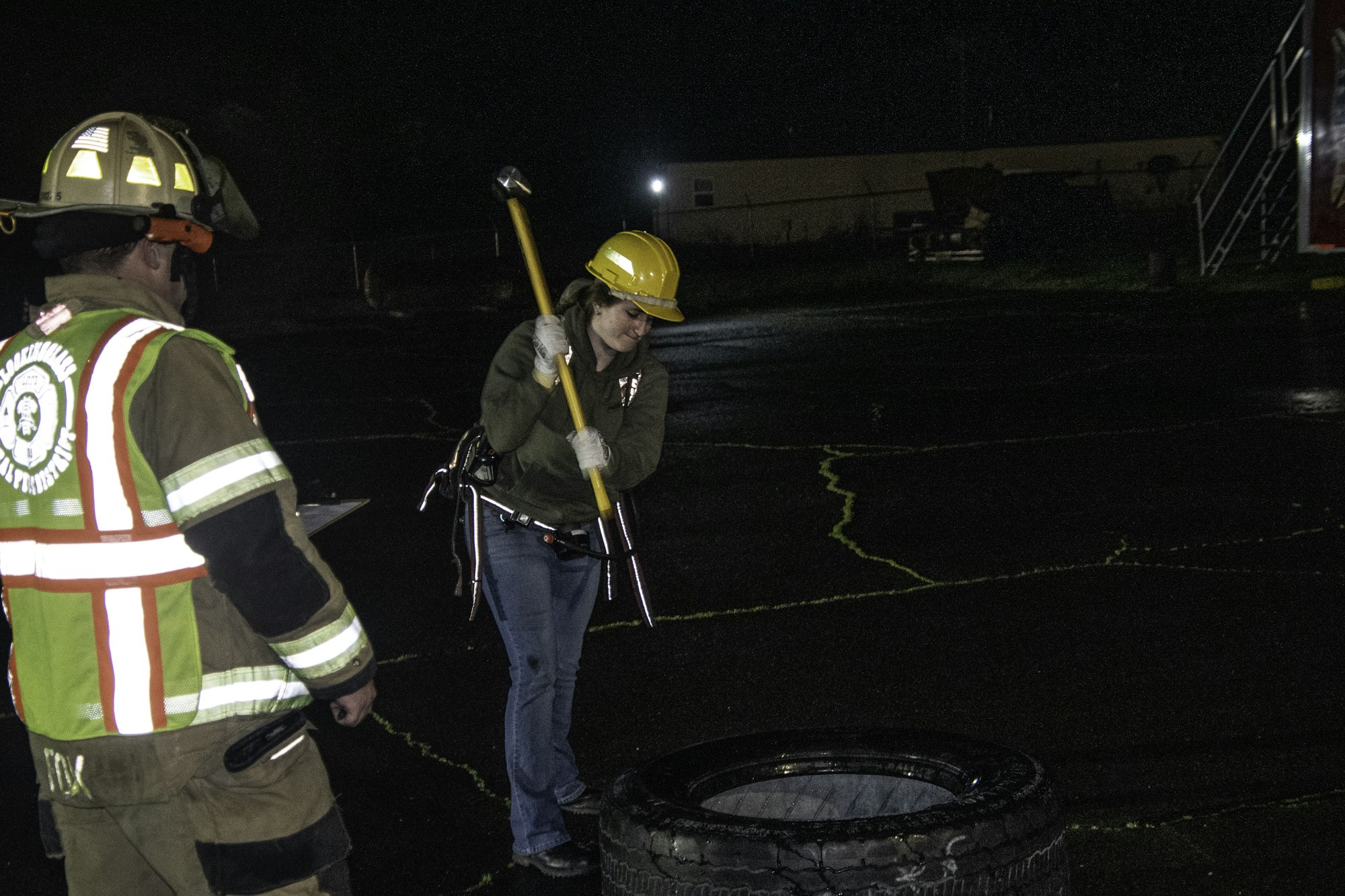
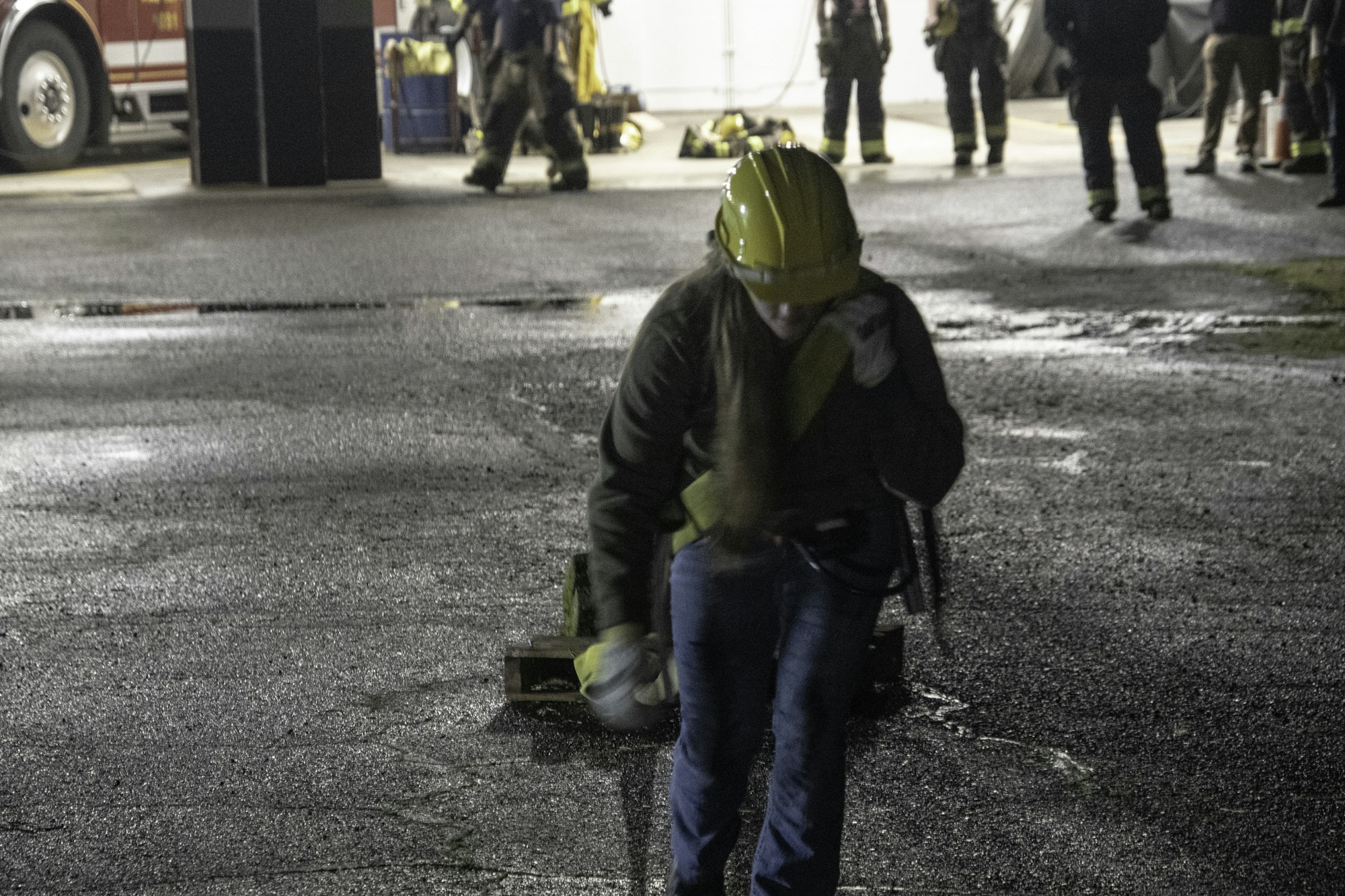
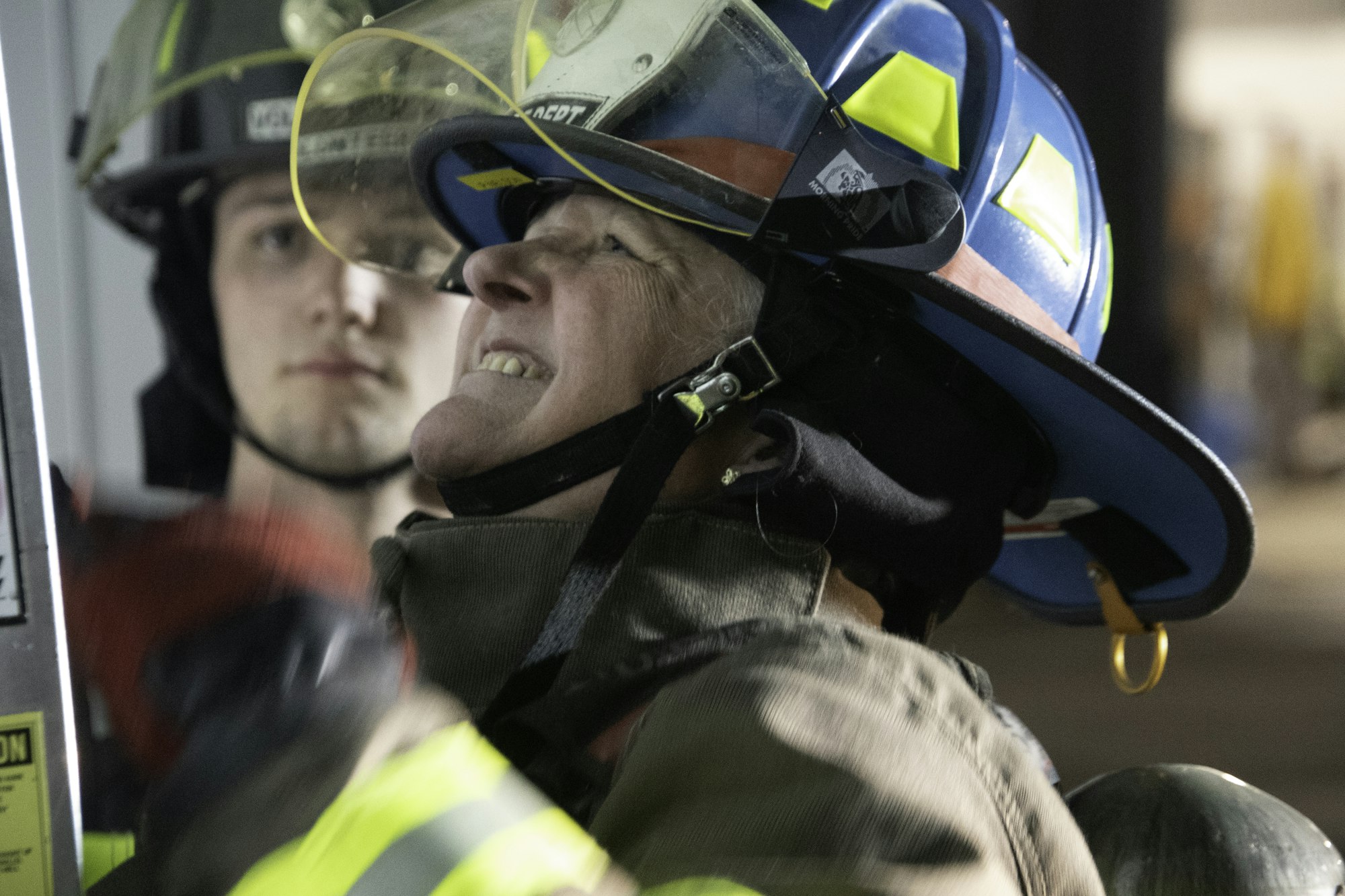
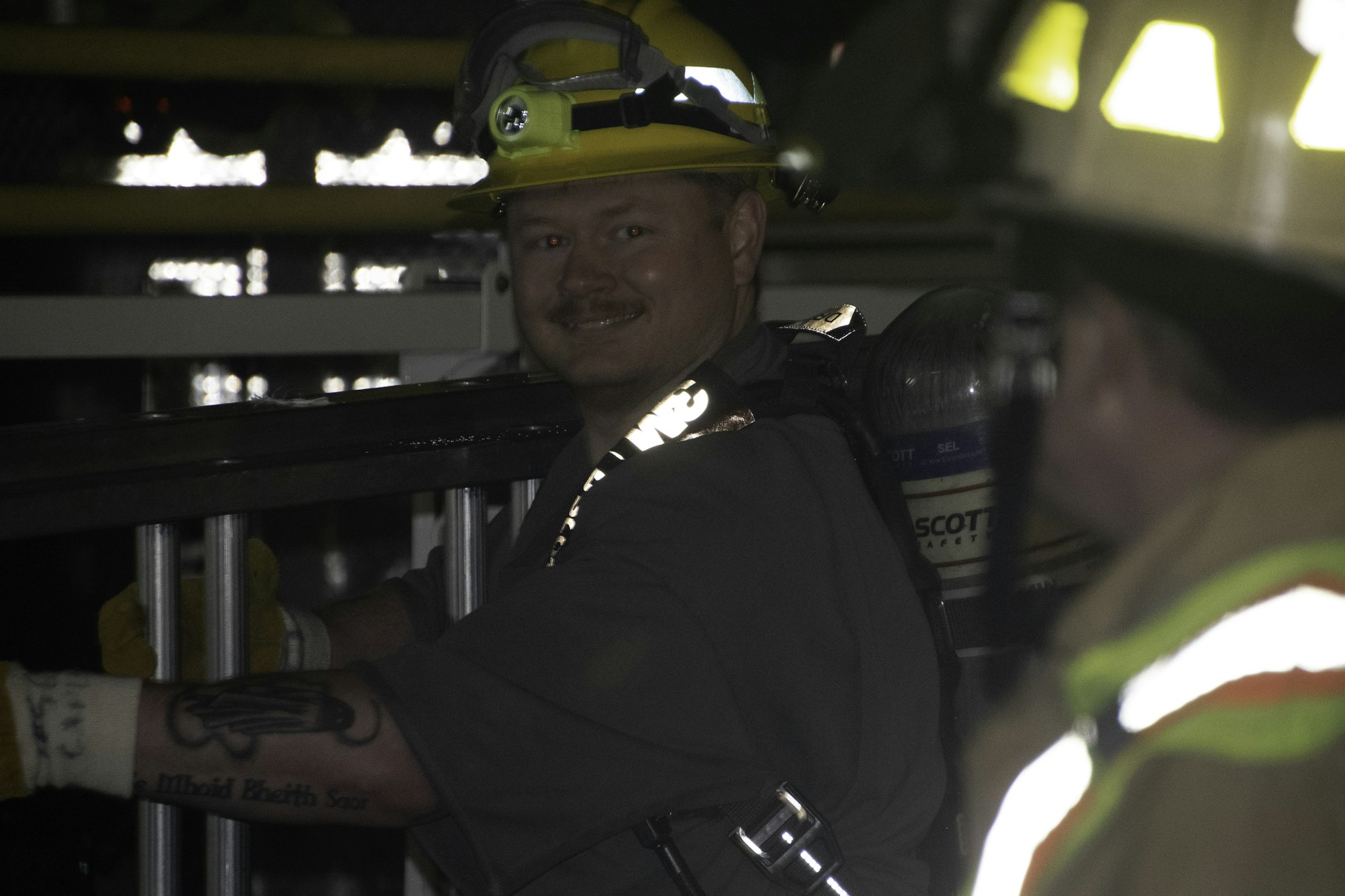
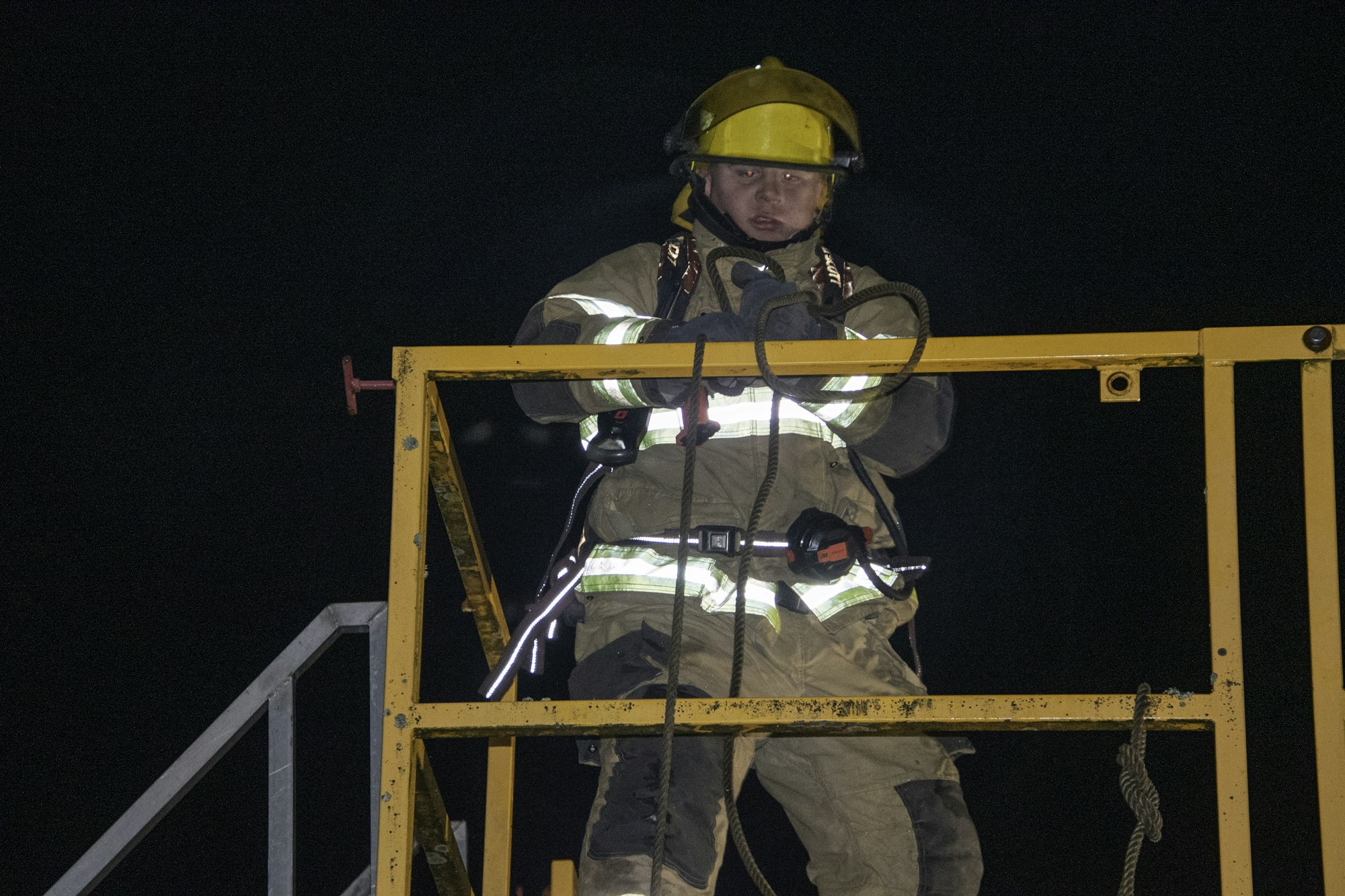
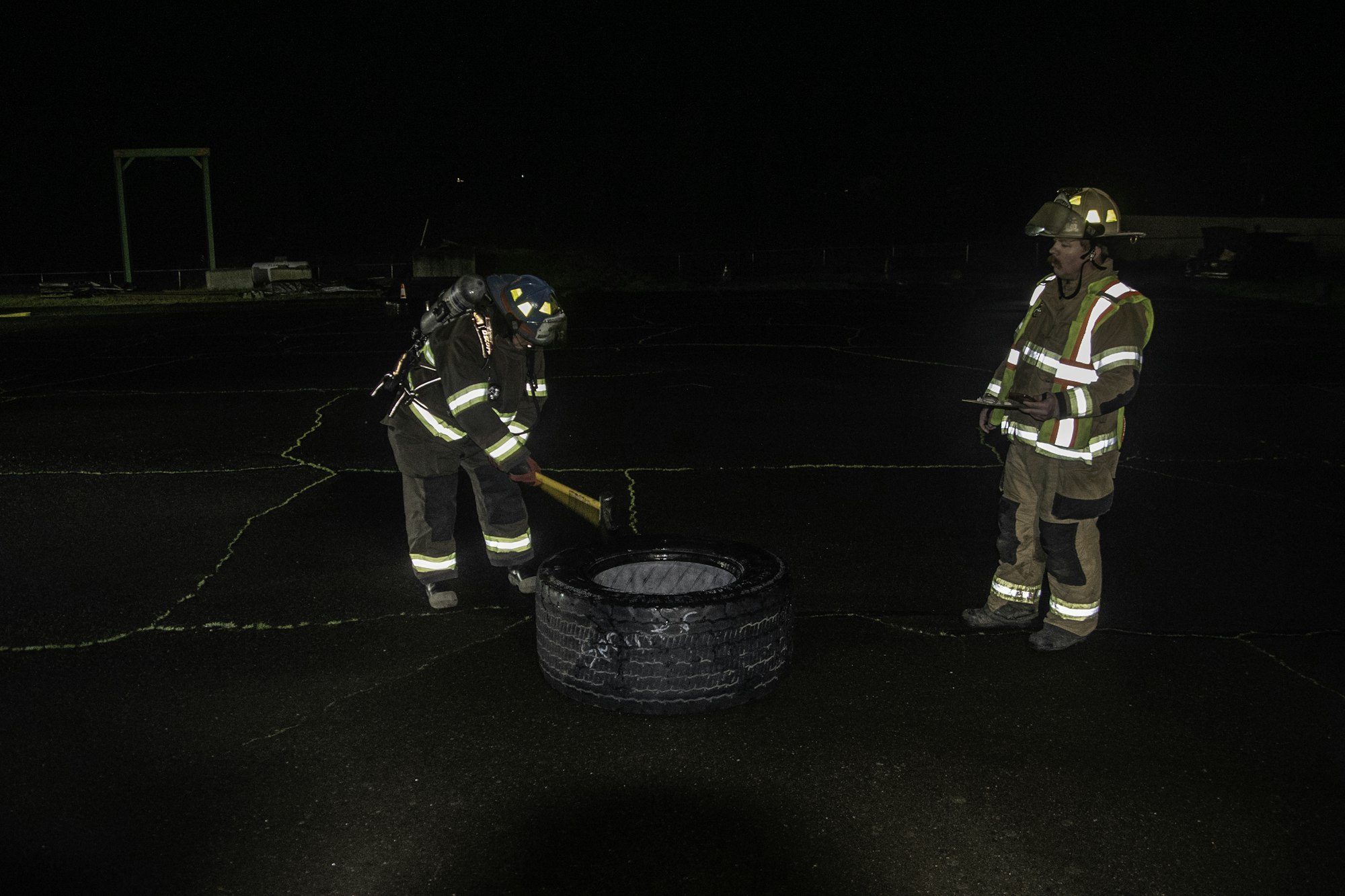
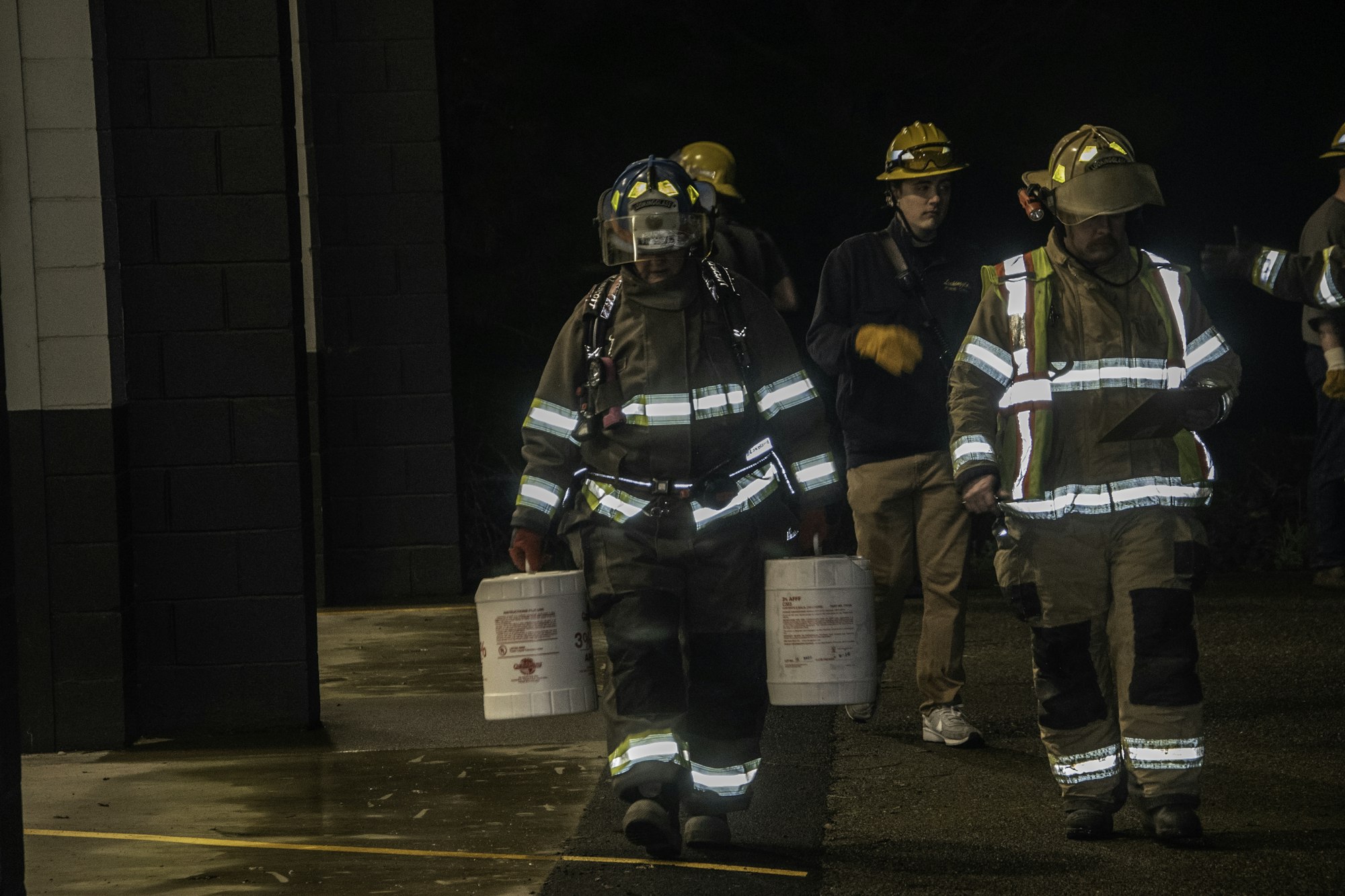
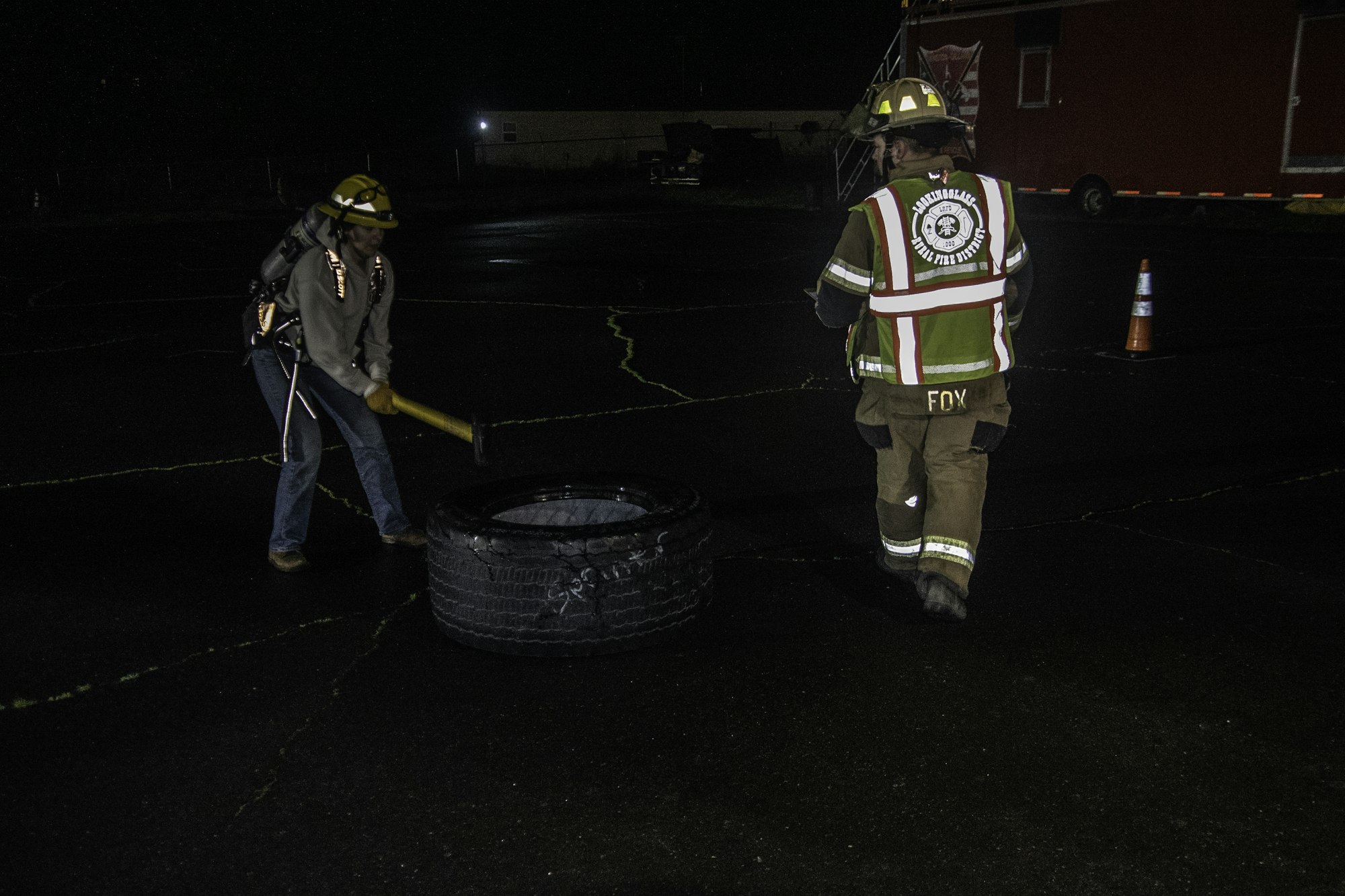
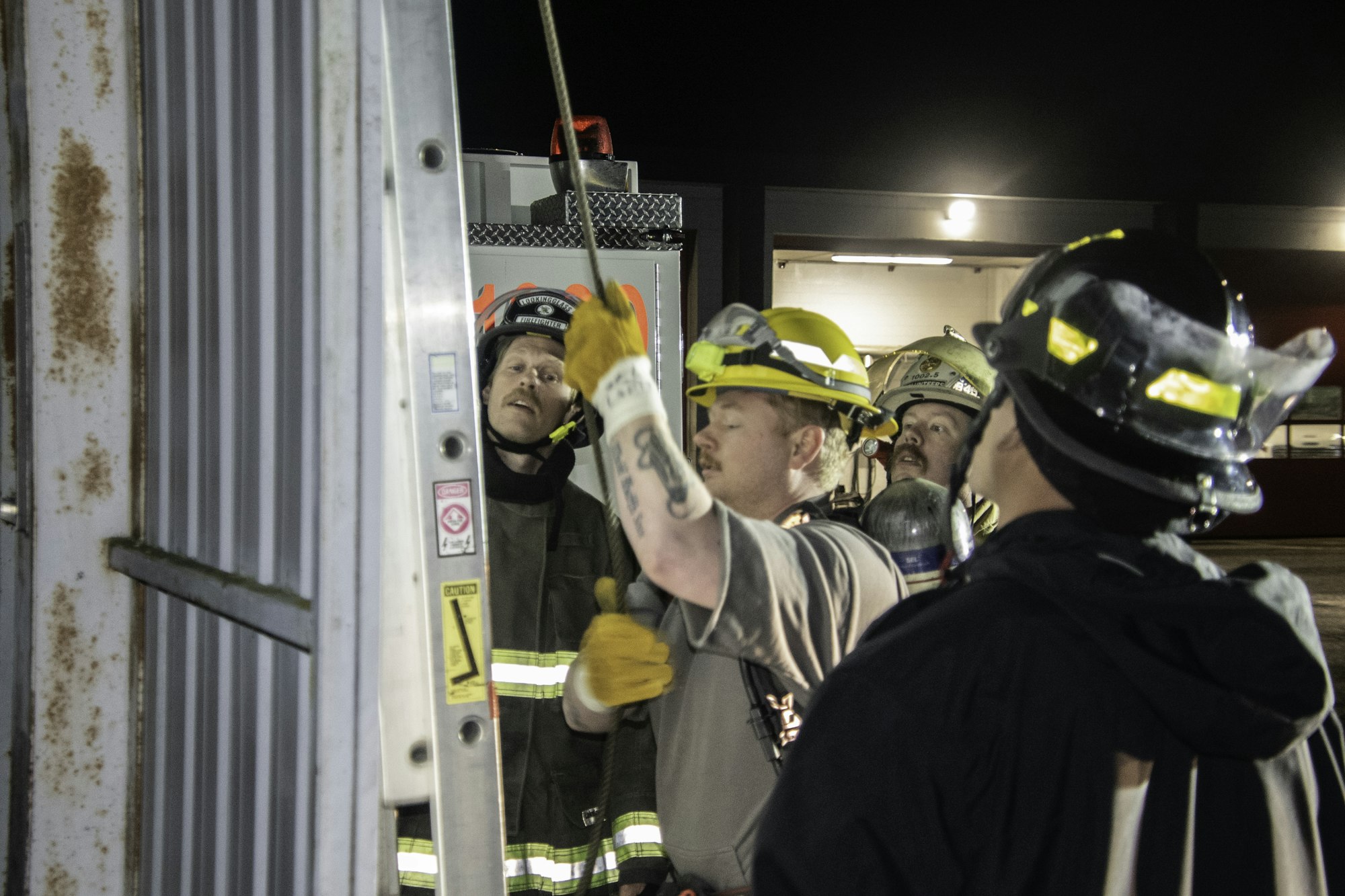
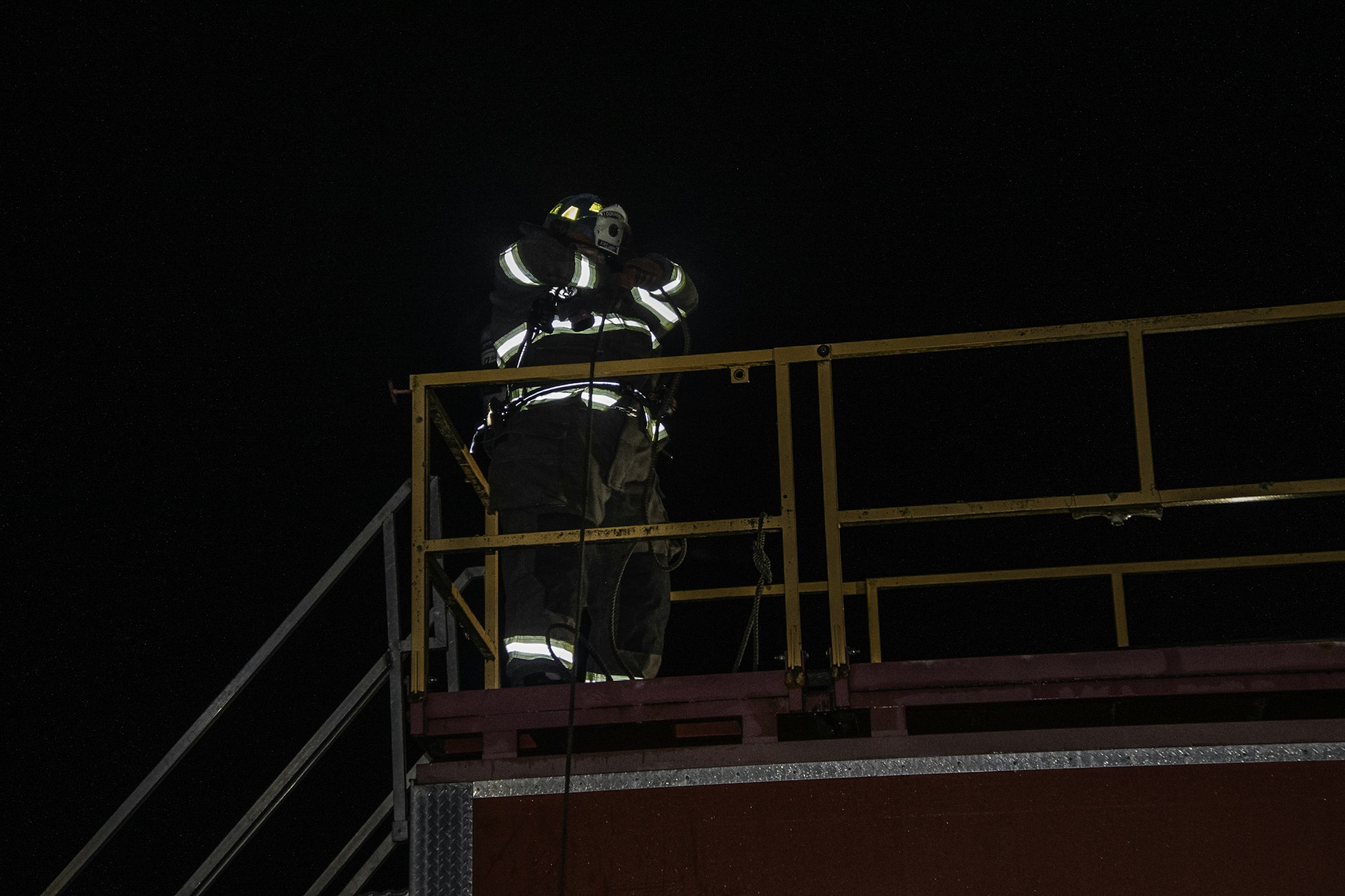
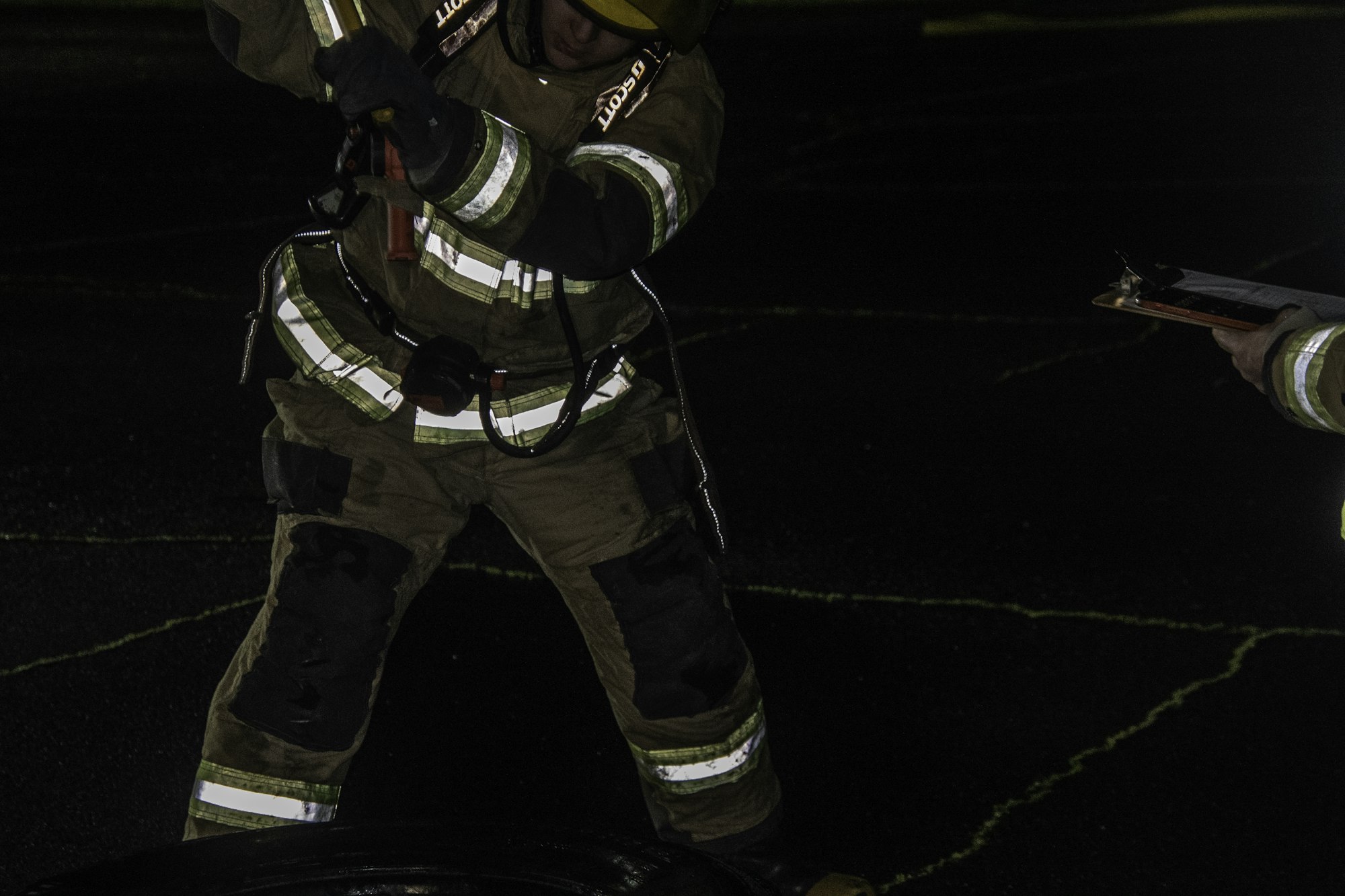

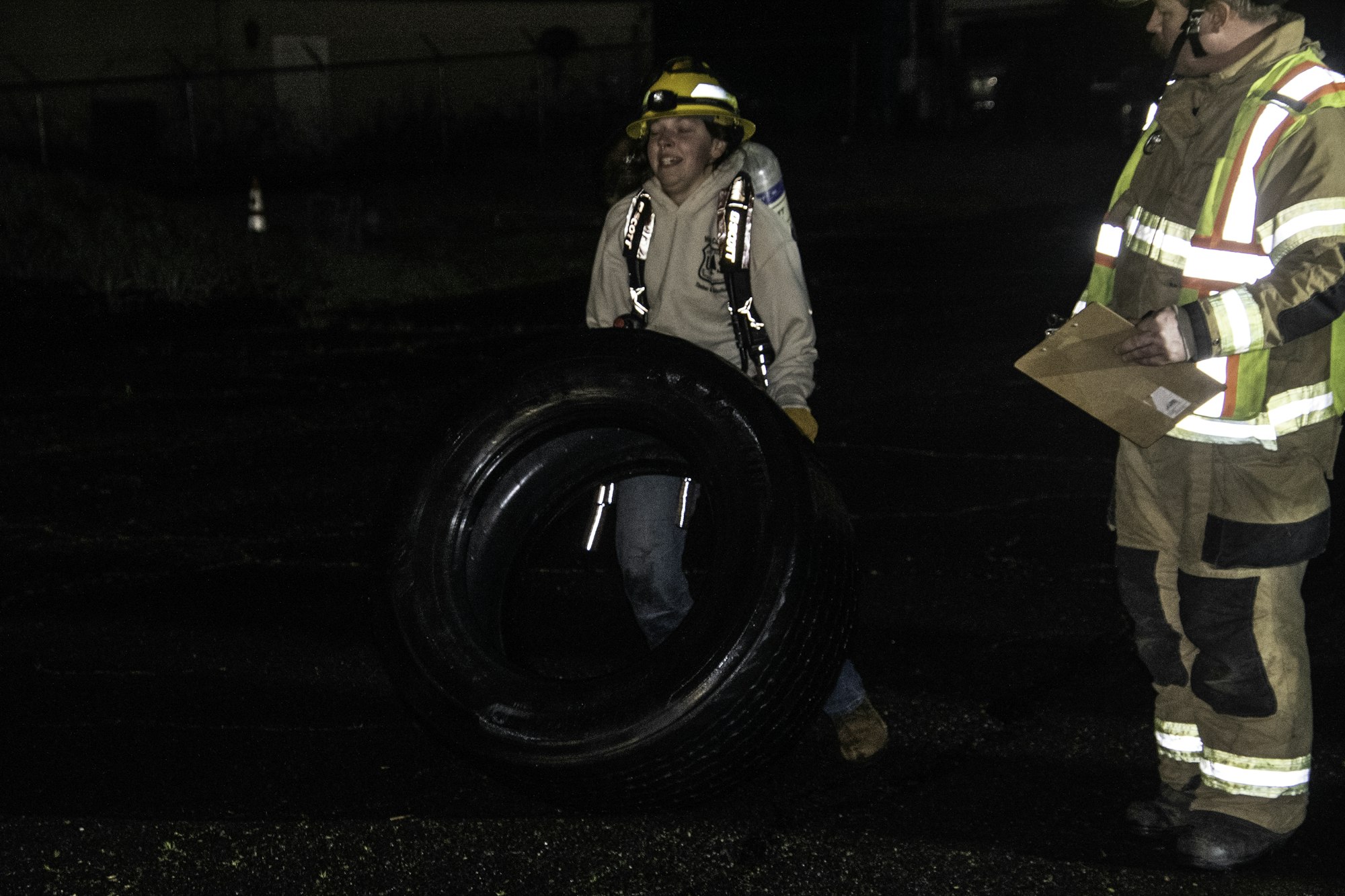
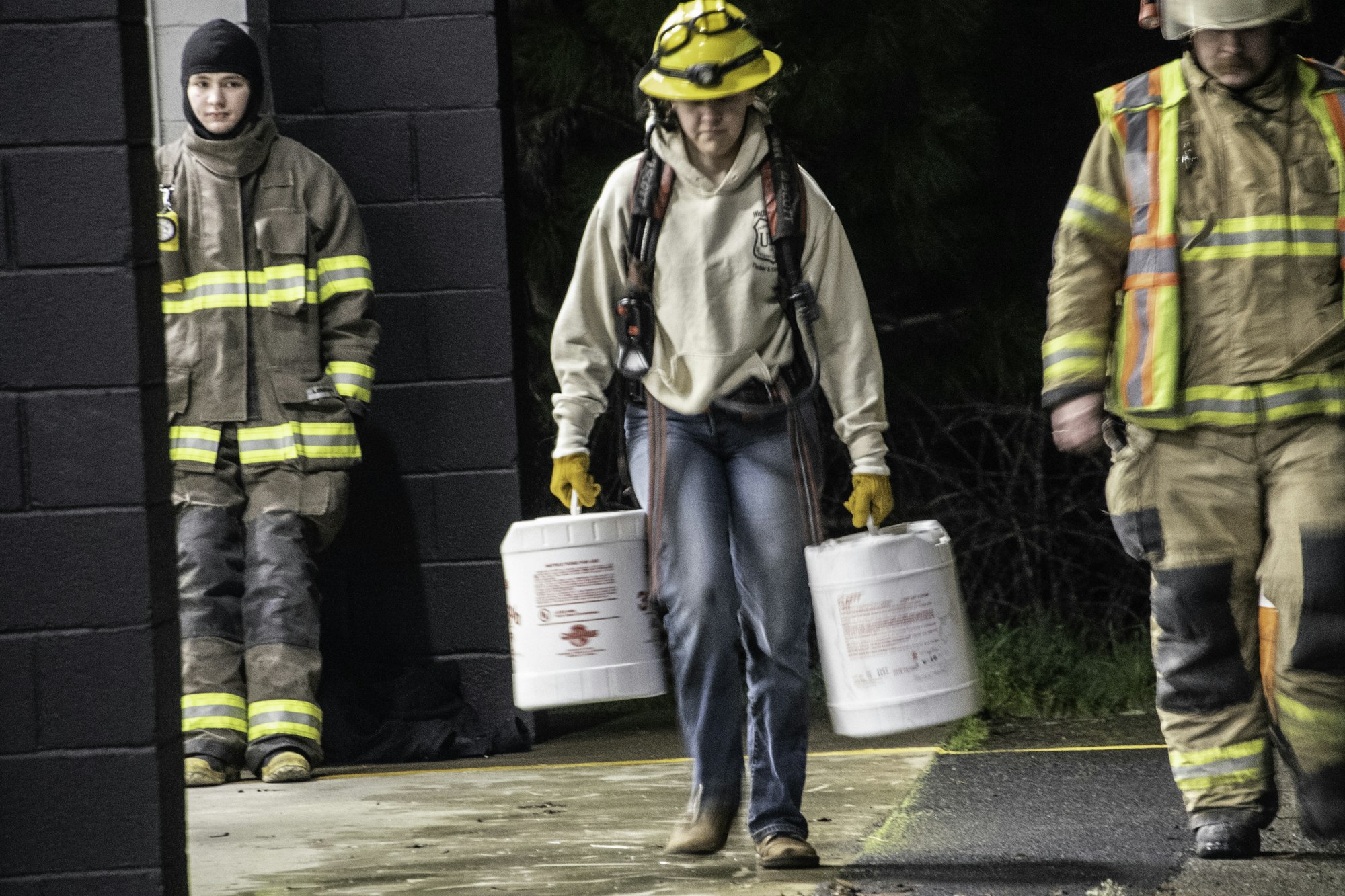
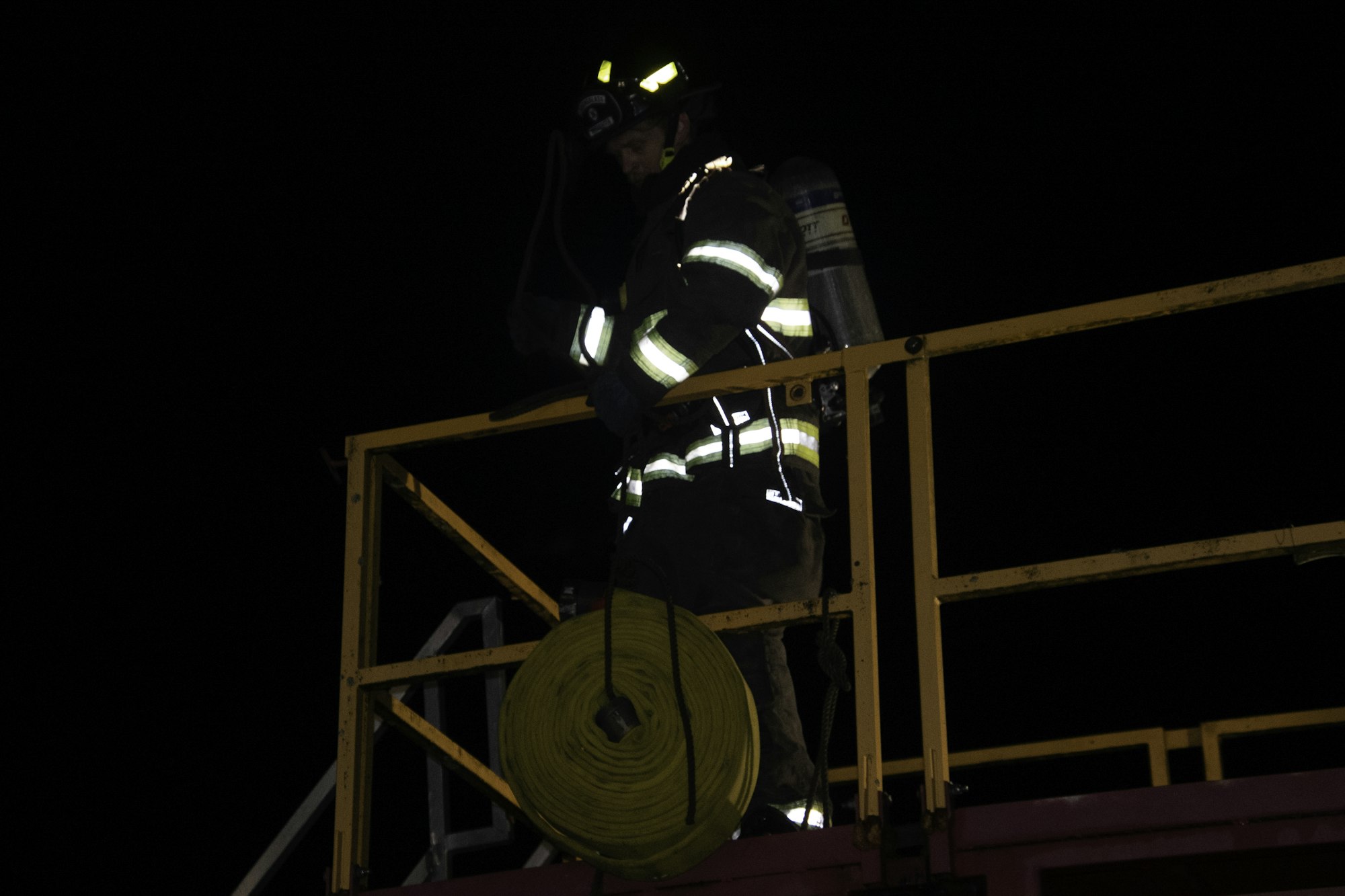
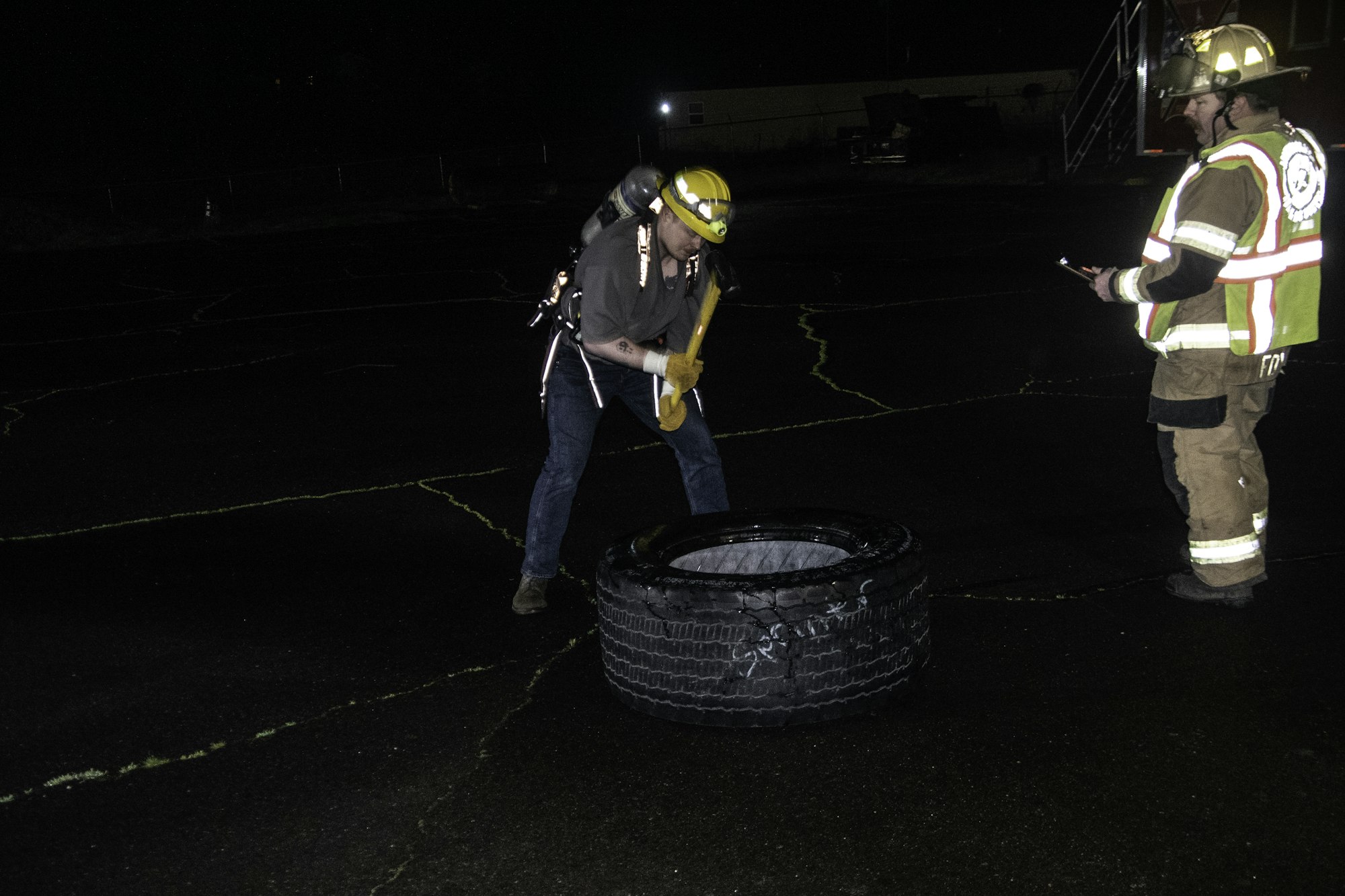

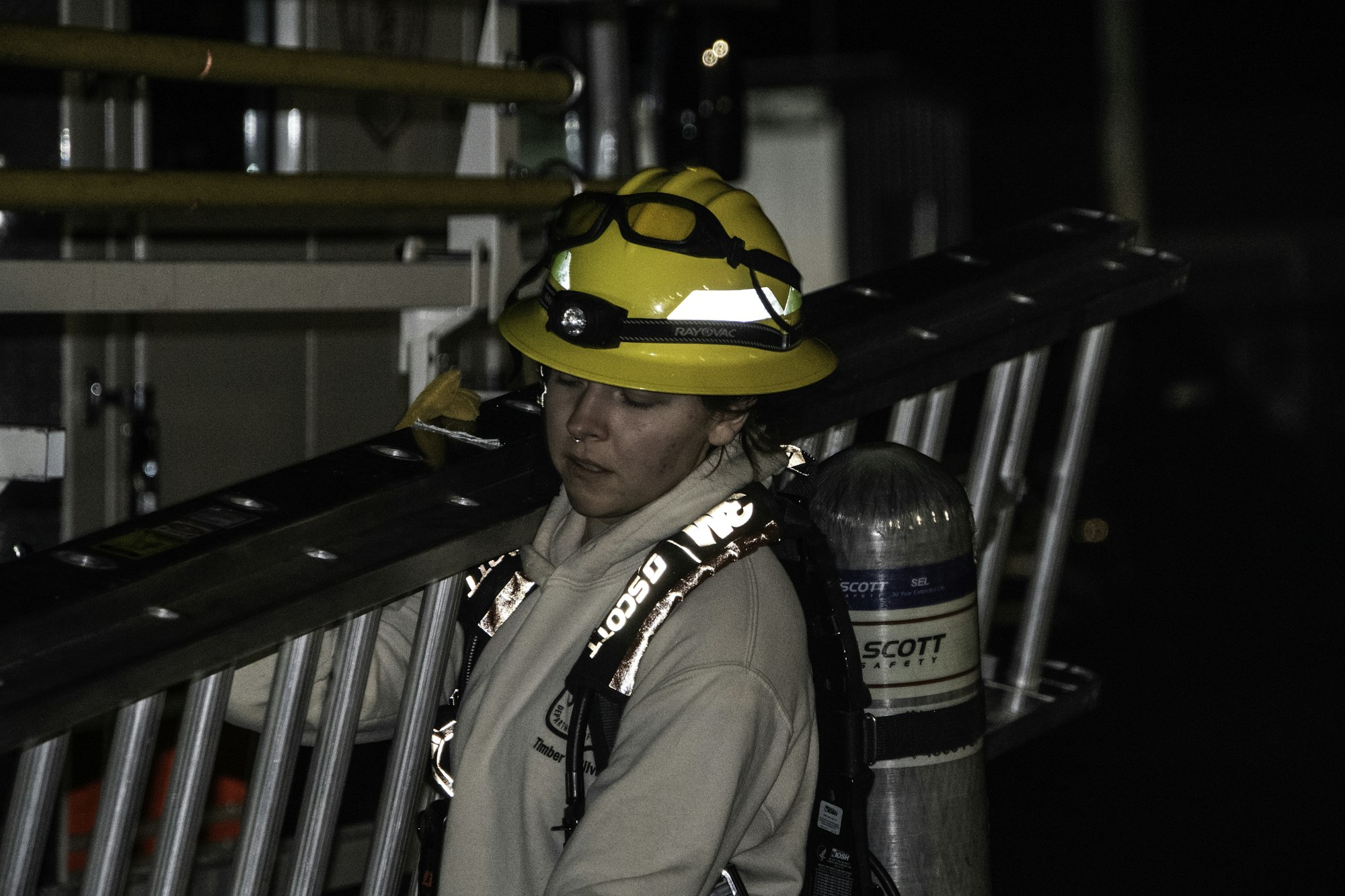
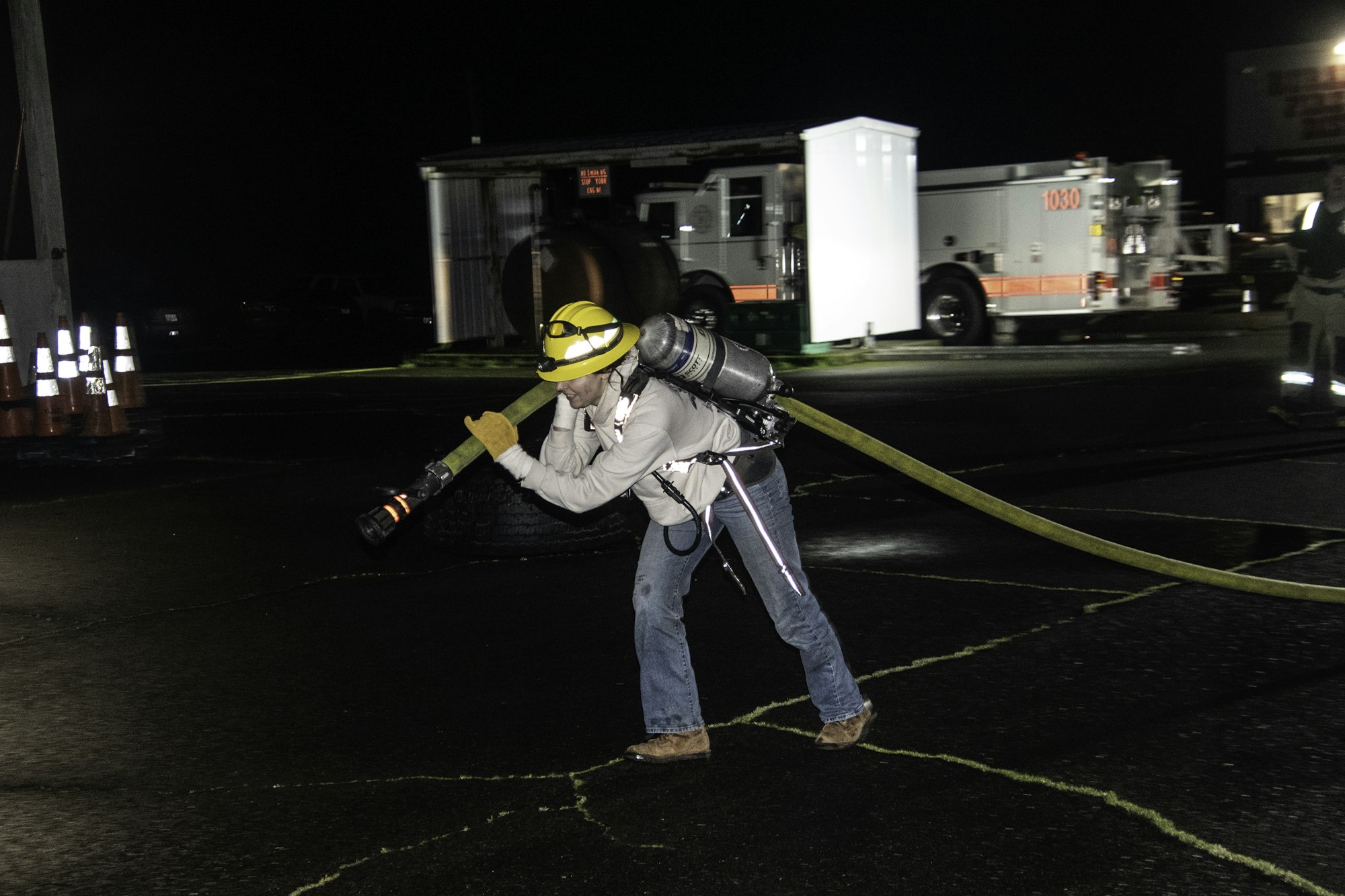
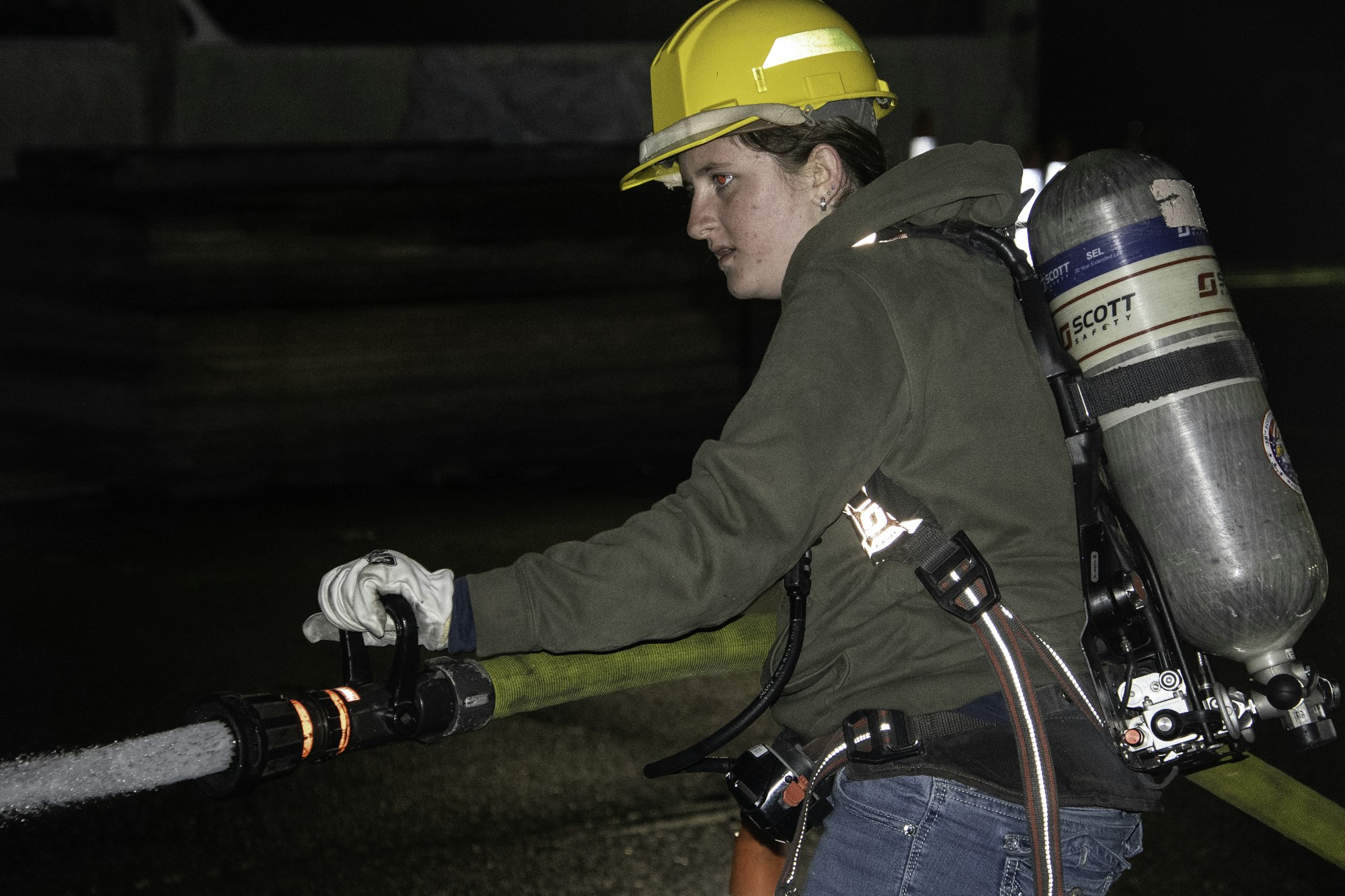
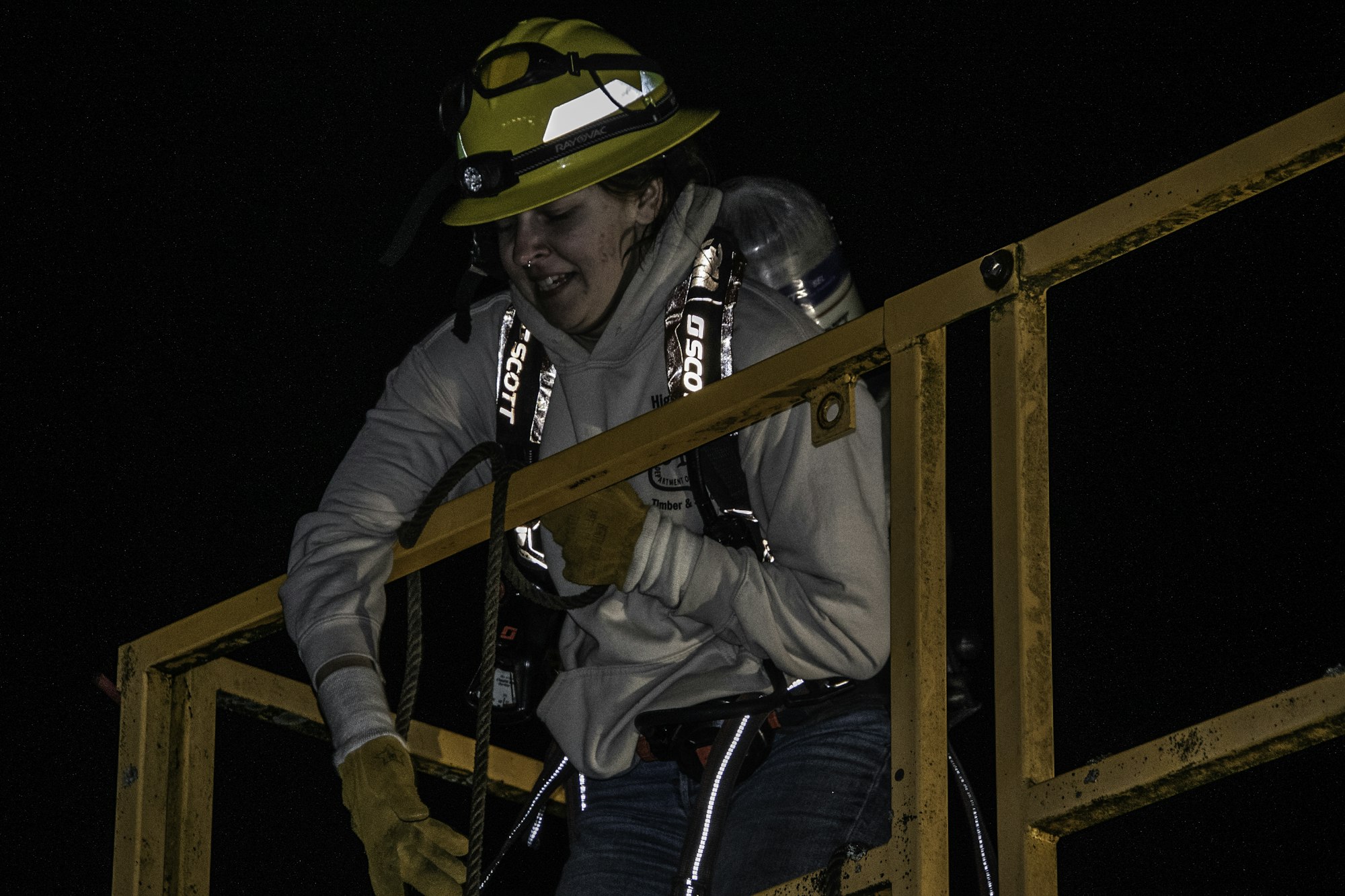
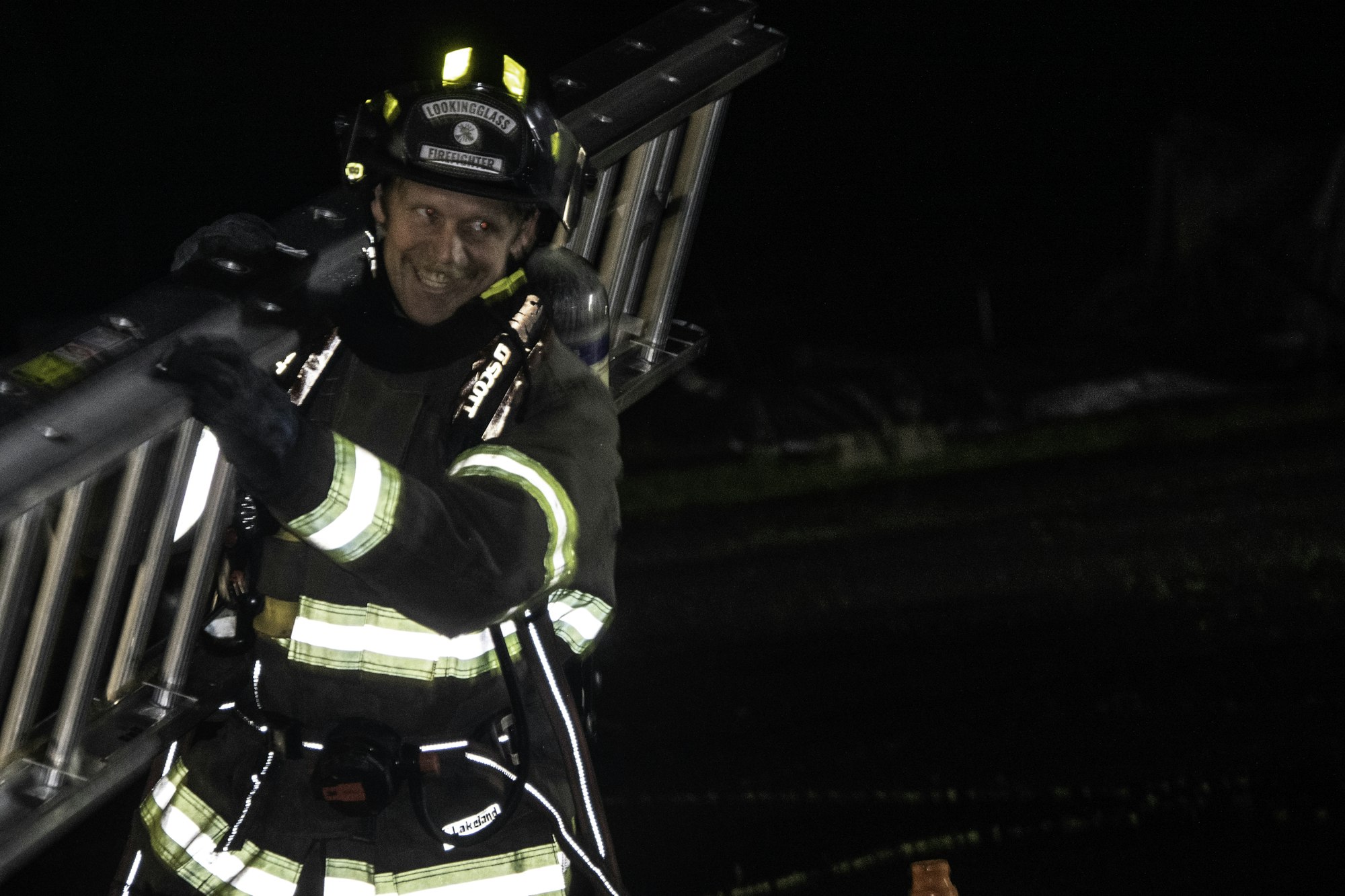
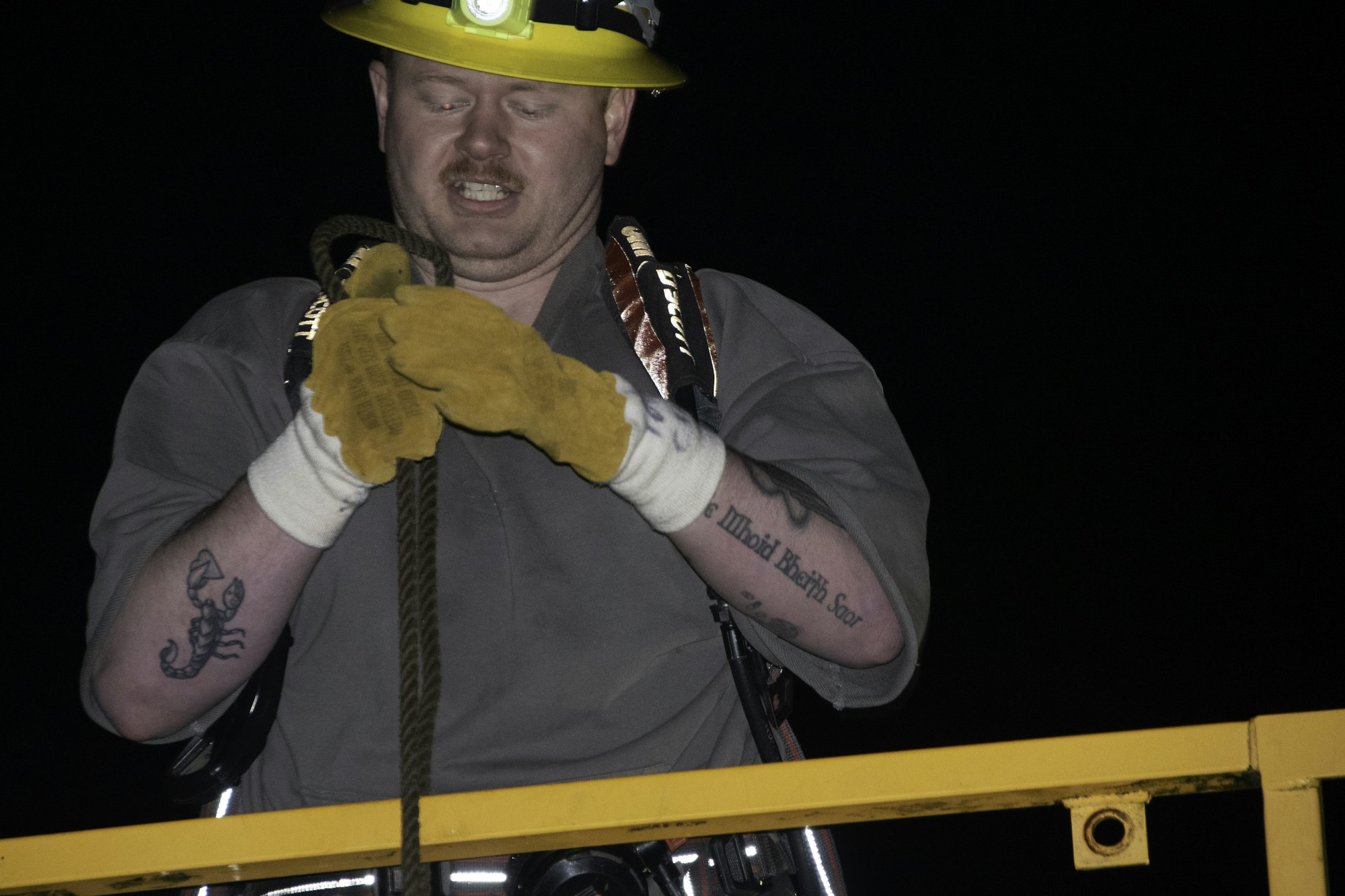
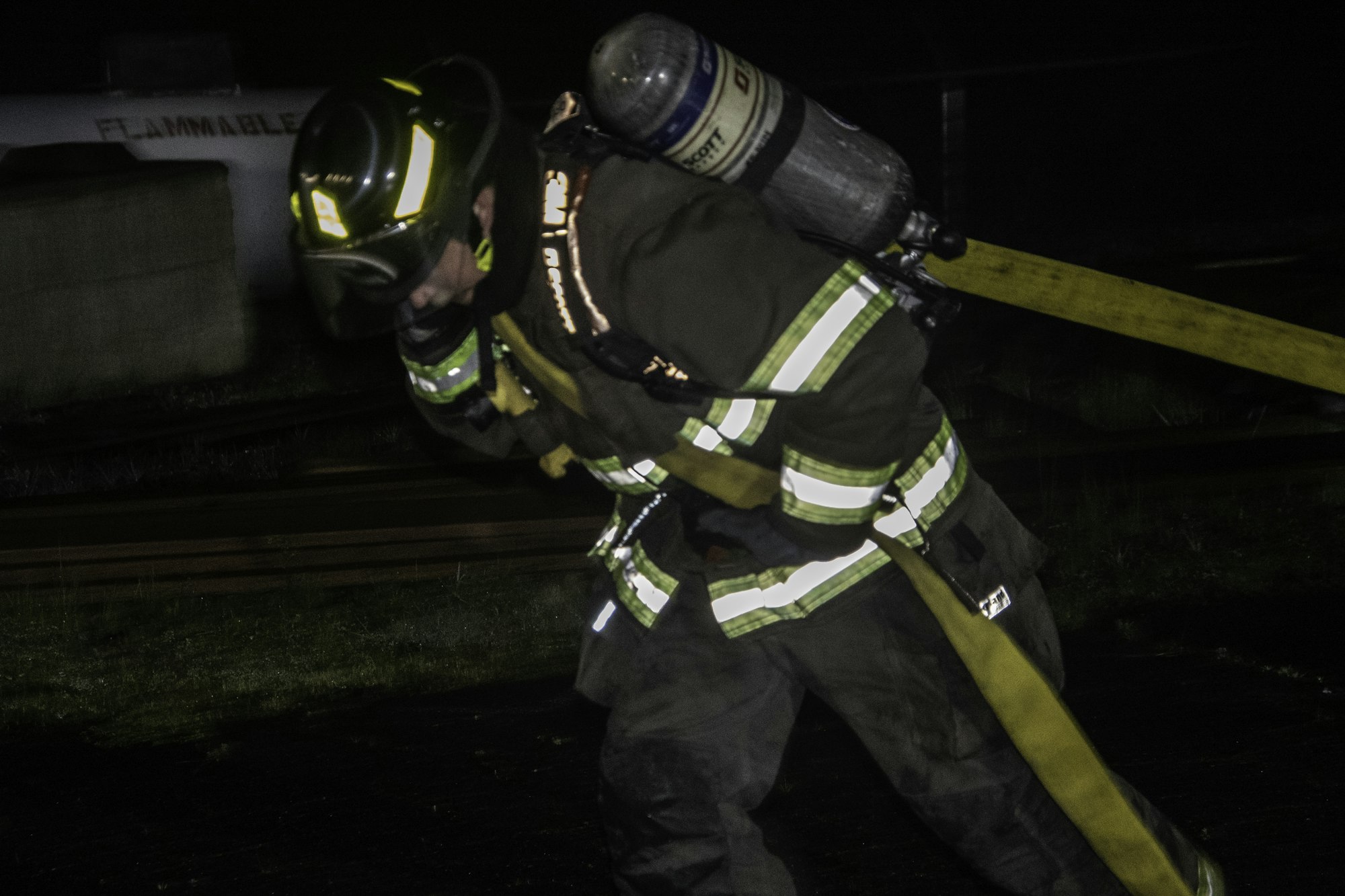
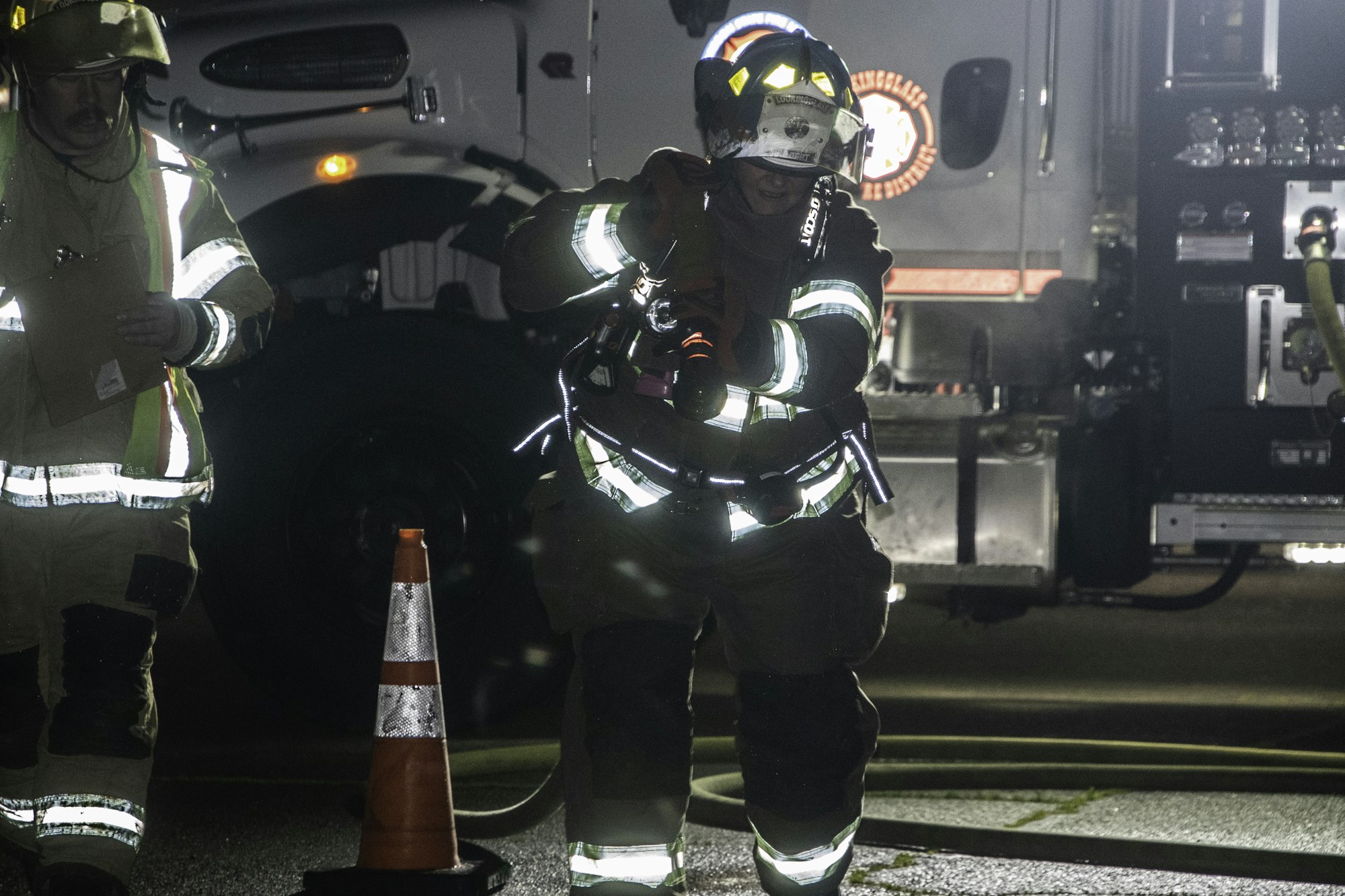
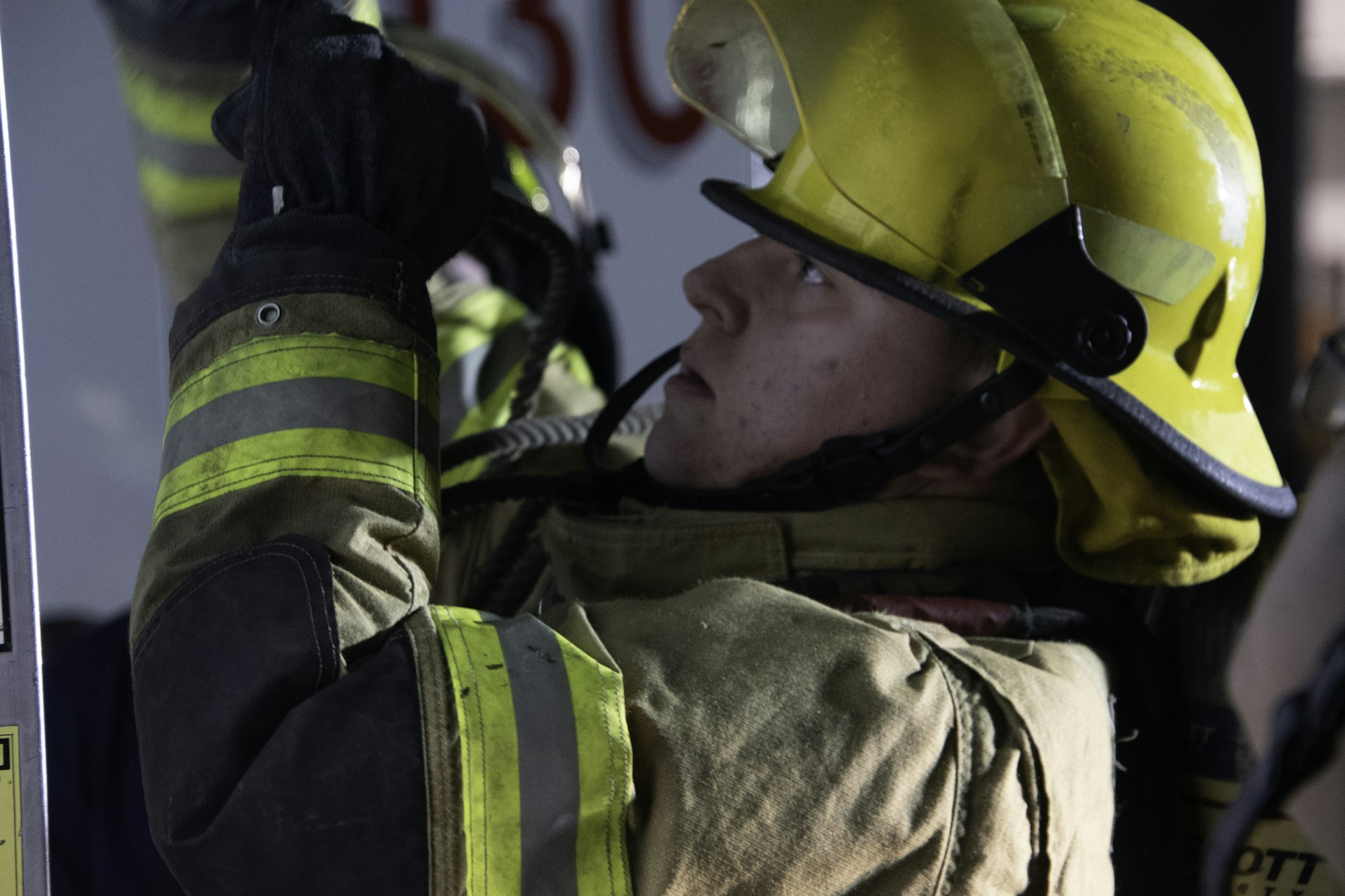
On March 5, 2026, volunteers with the Lookingglass Rural Fire District (LRFD) gathered for the department’s annual Firefighter Agility Test. This test is designed to simulate real tasks firefighters face on the fireground and helps ensure volunteers can safely and effectively perform under physically demanding conditions.
The LRFD agility test includes a series of stations that replicate common fireground operations:
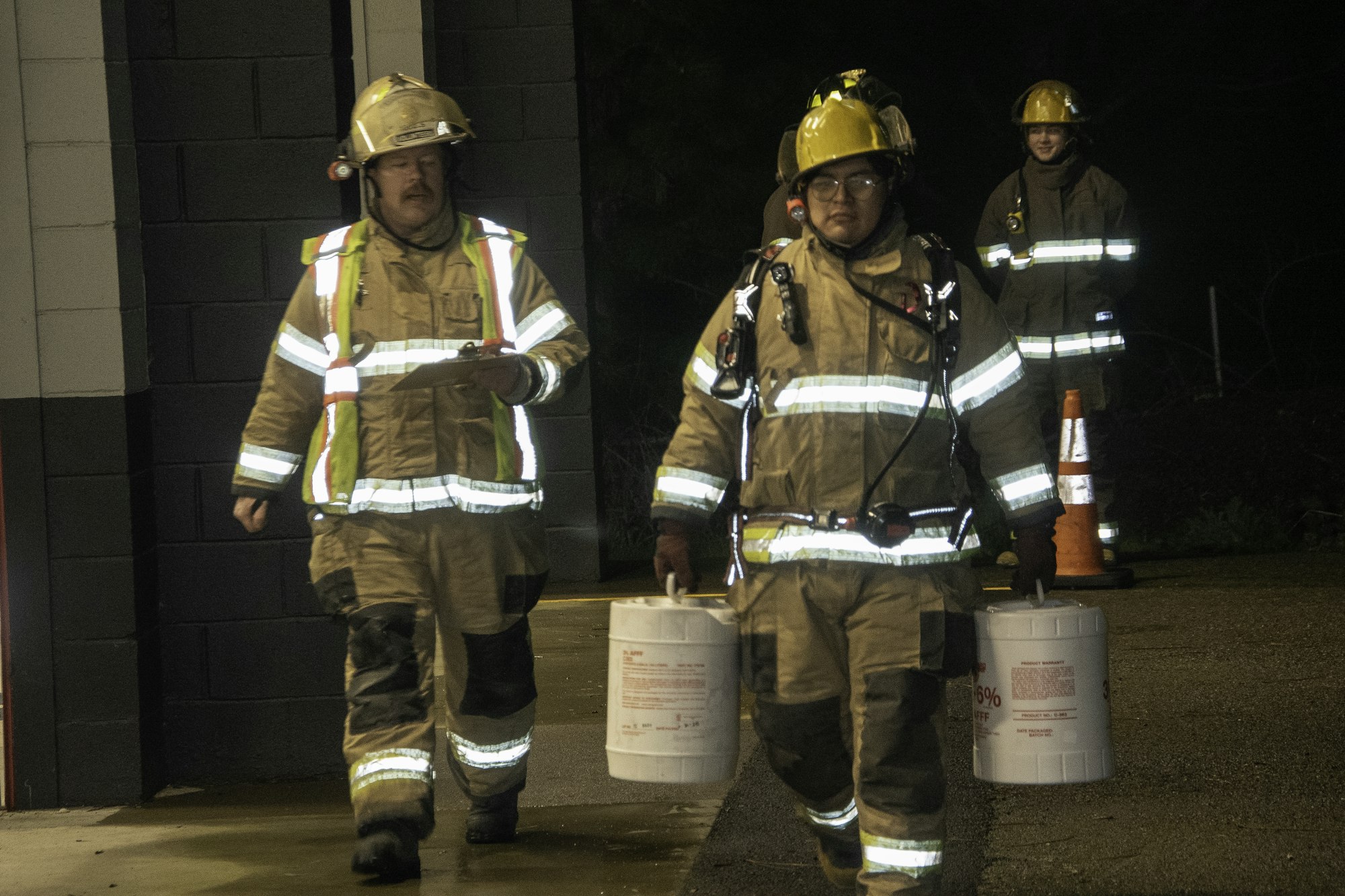
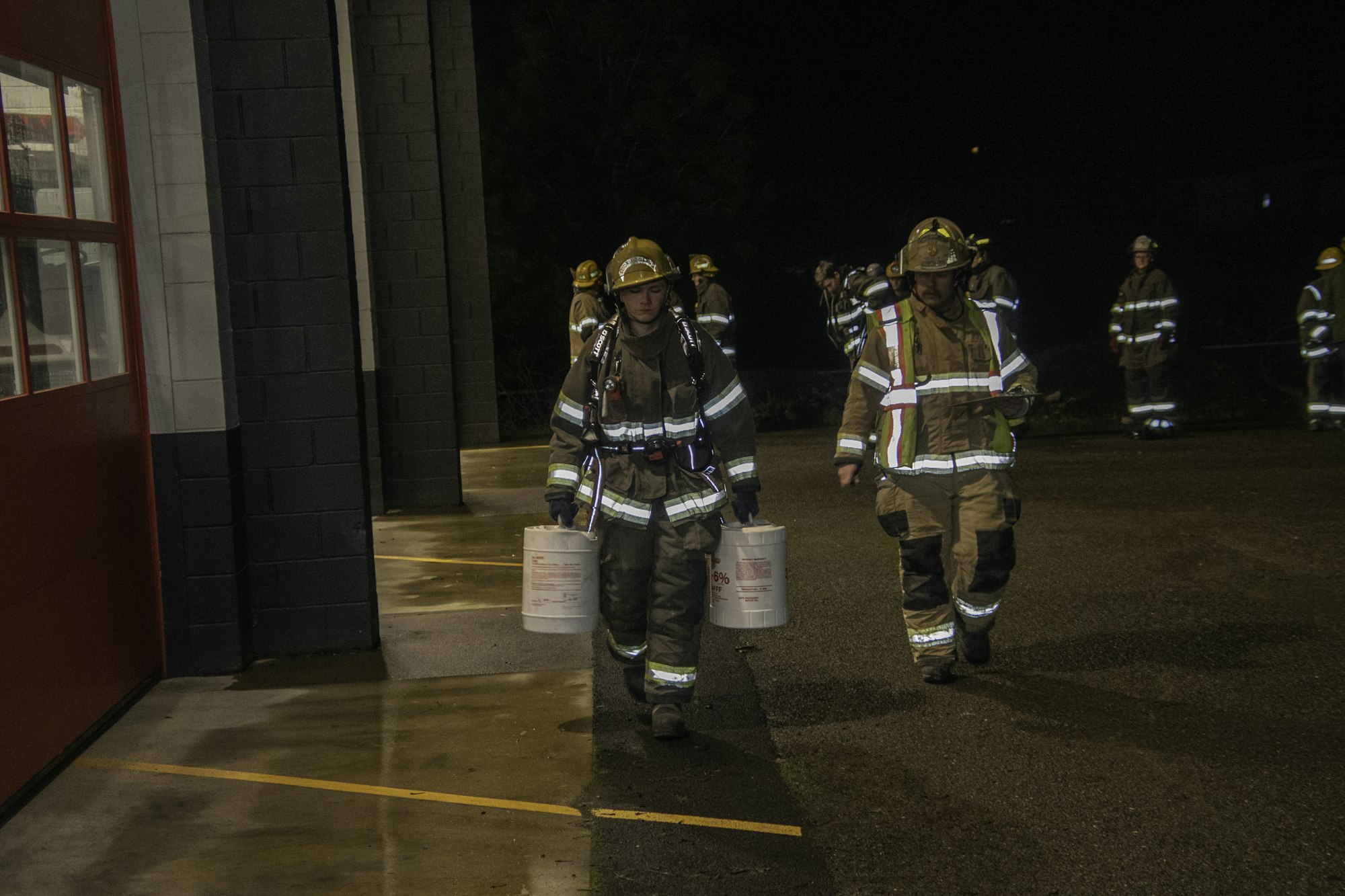
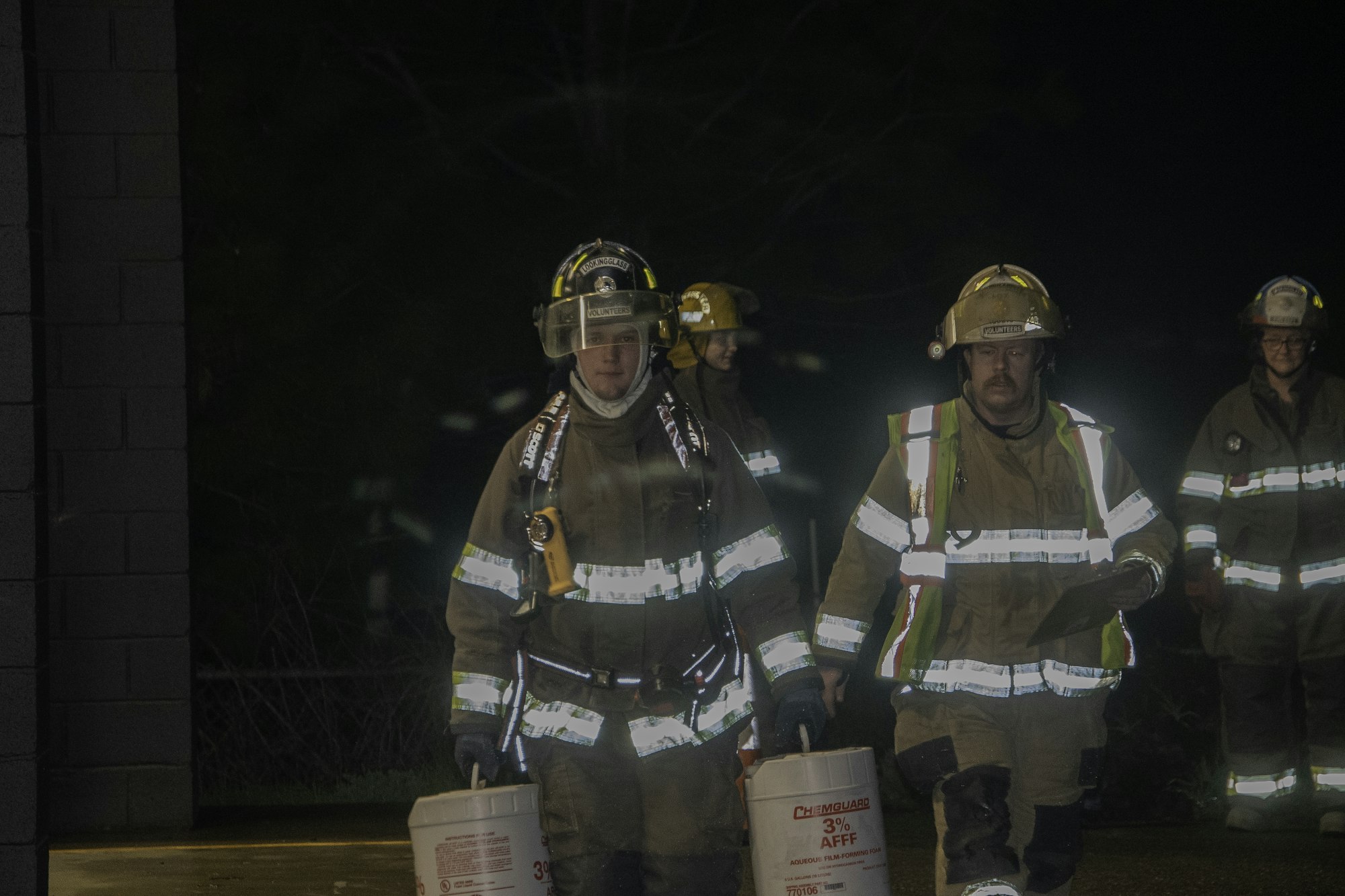
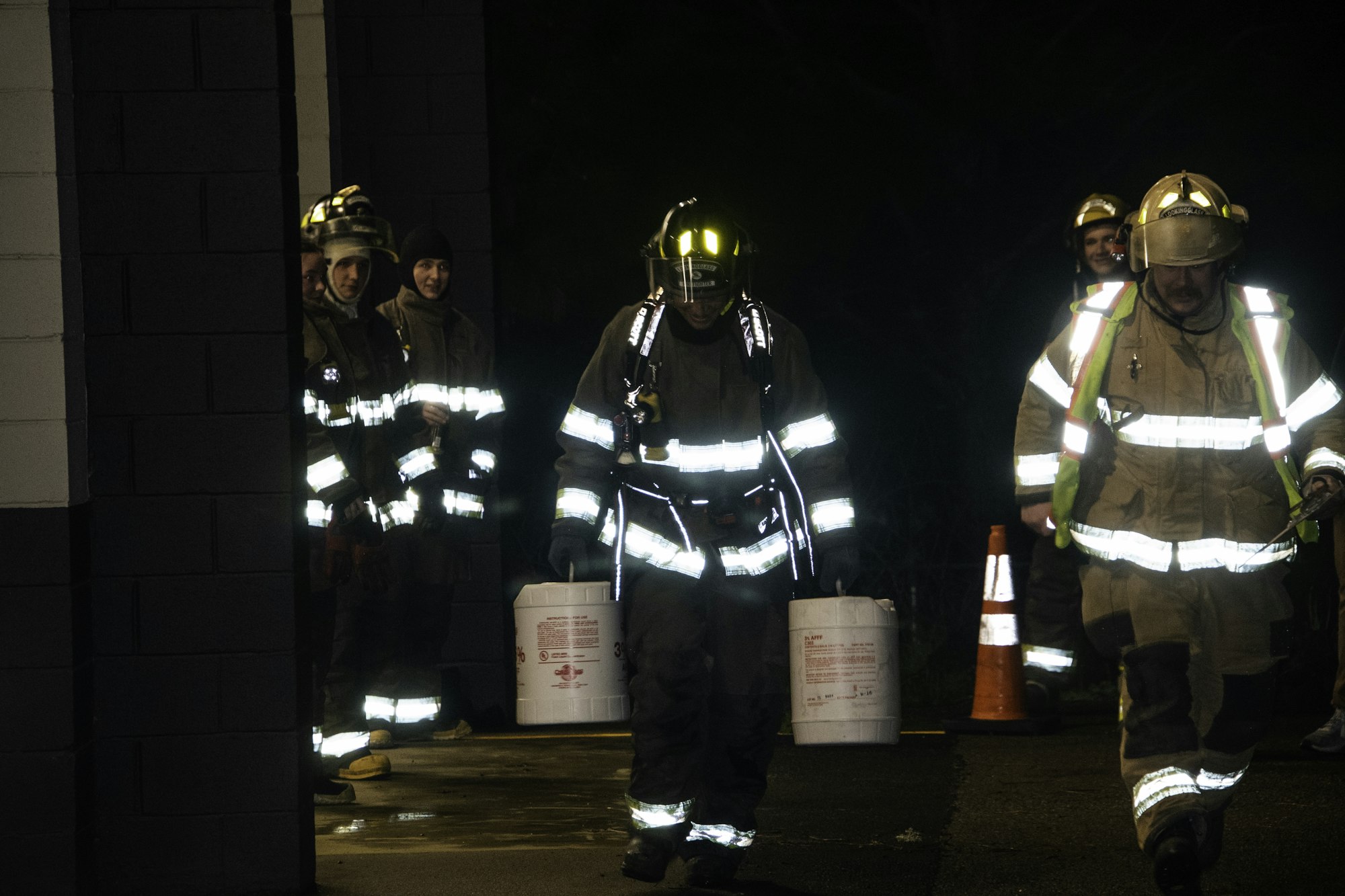
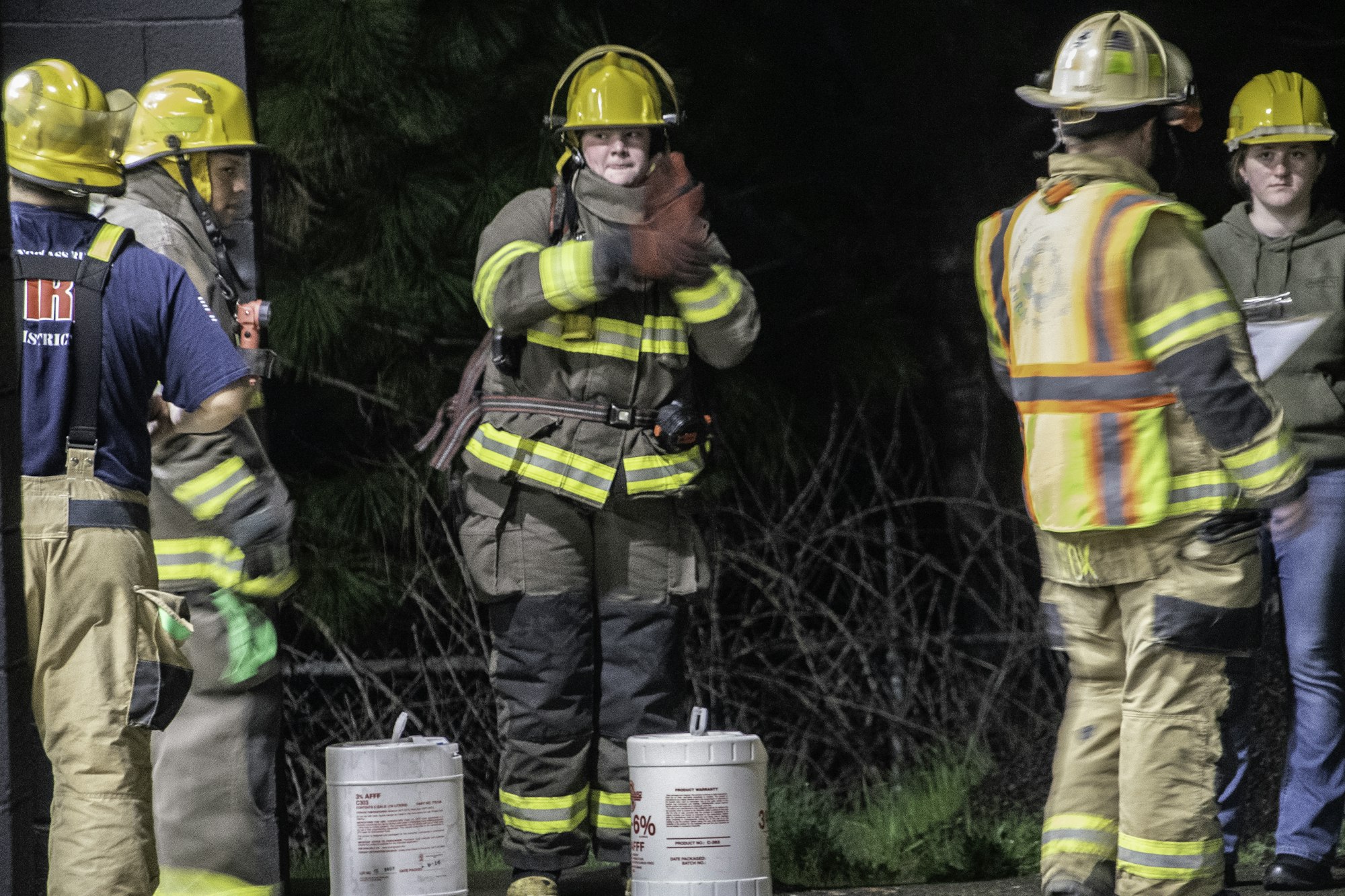
75-Foot Farmer’s Carry
Volunteers carry two 5-gallon buckets of foam 75 feet to simulate transporting tools and equipment across a fire scene.
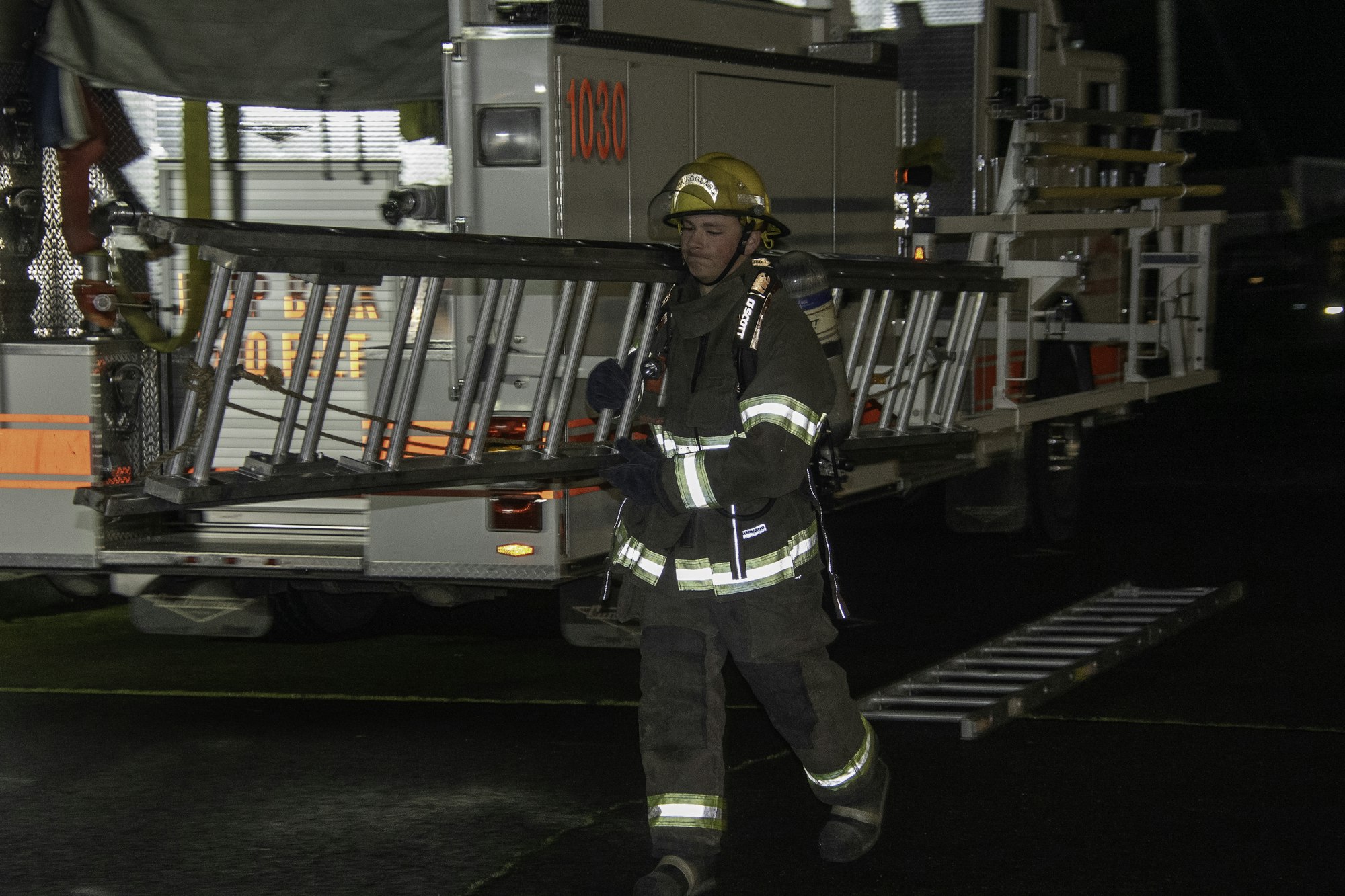
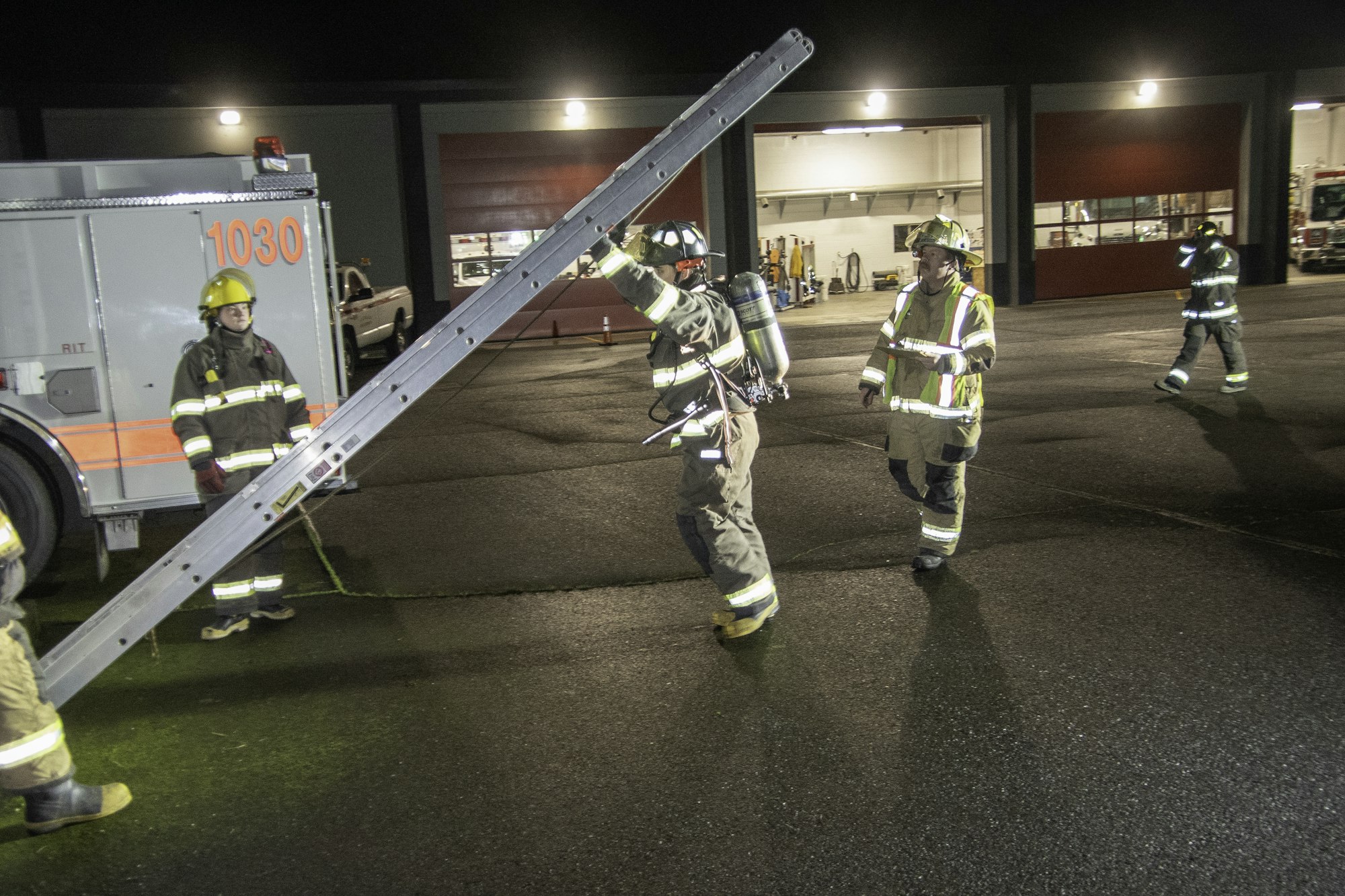
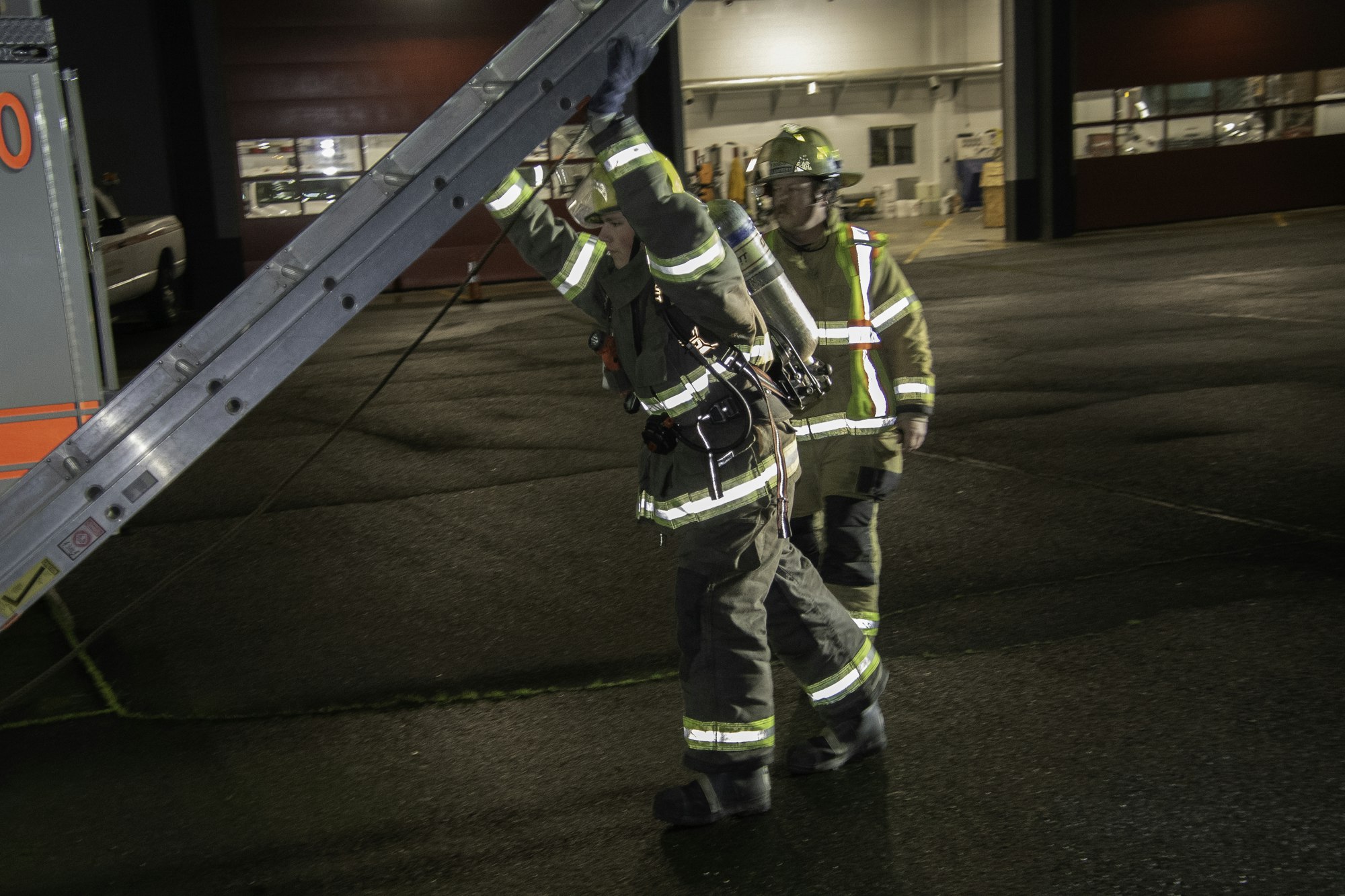
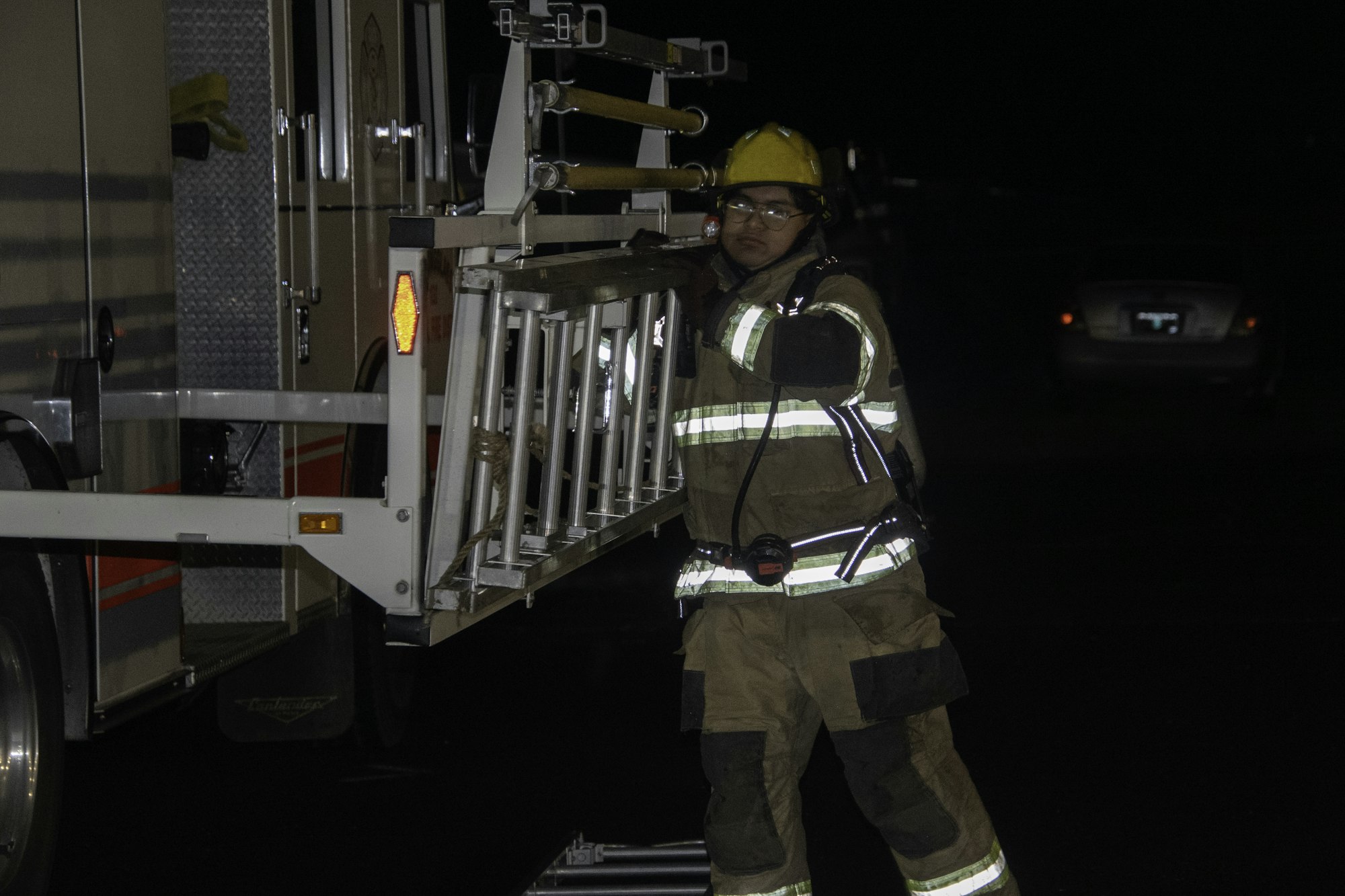
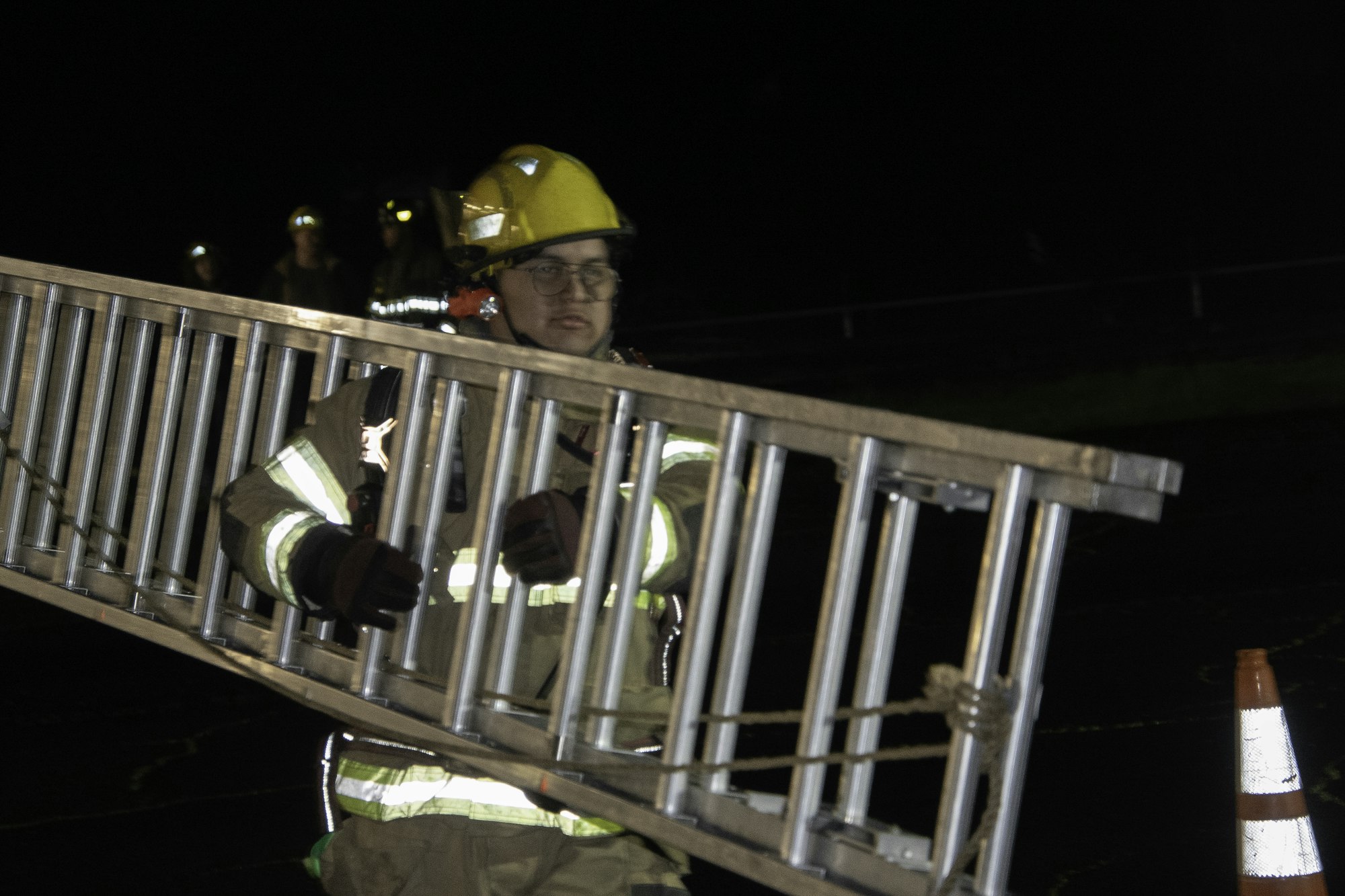
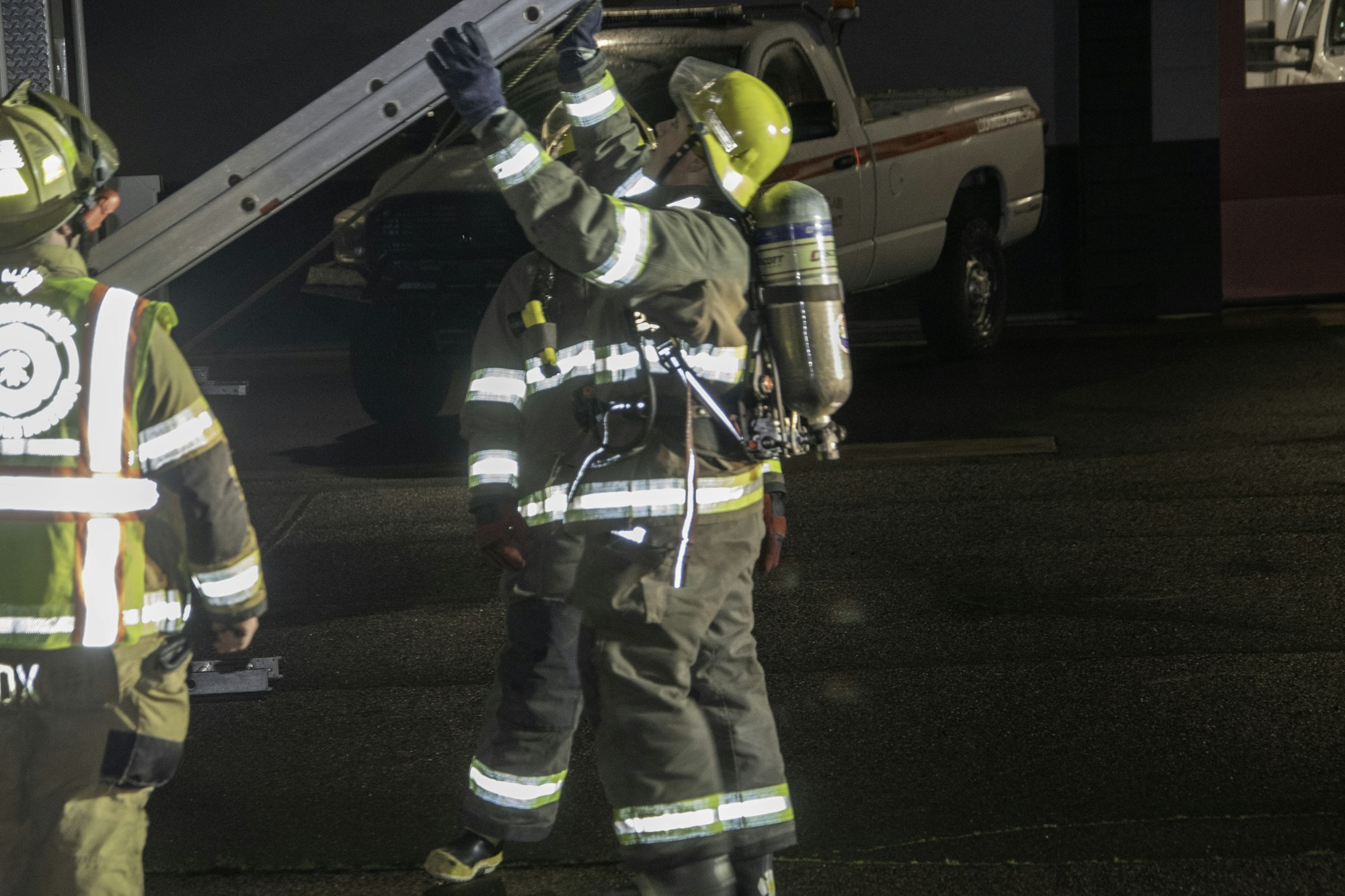
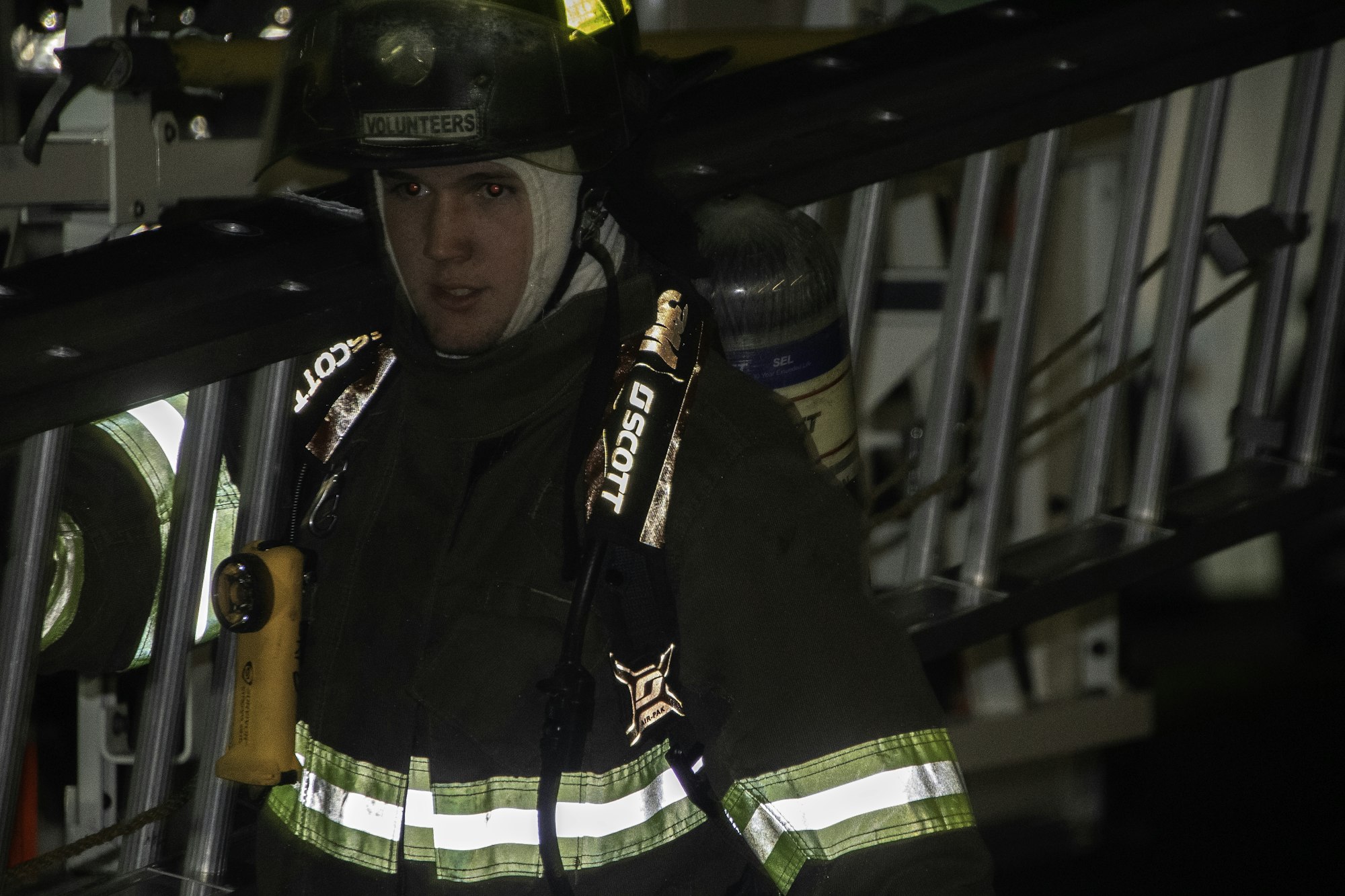
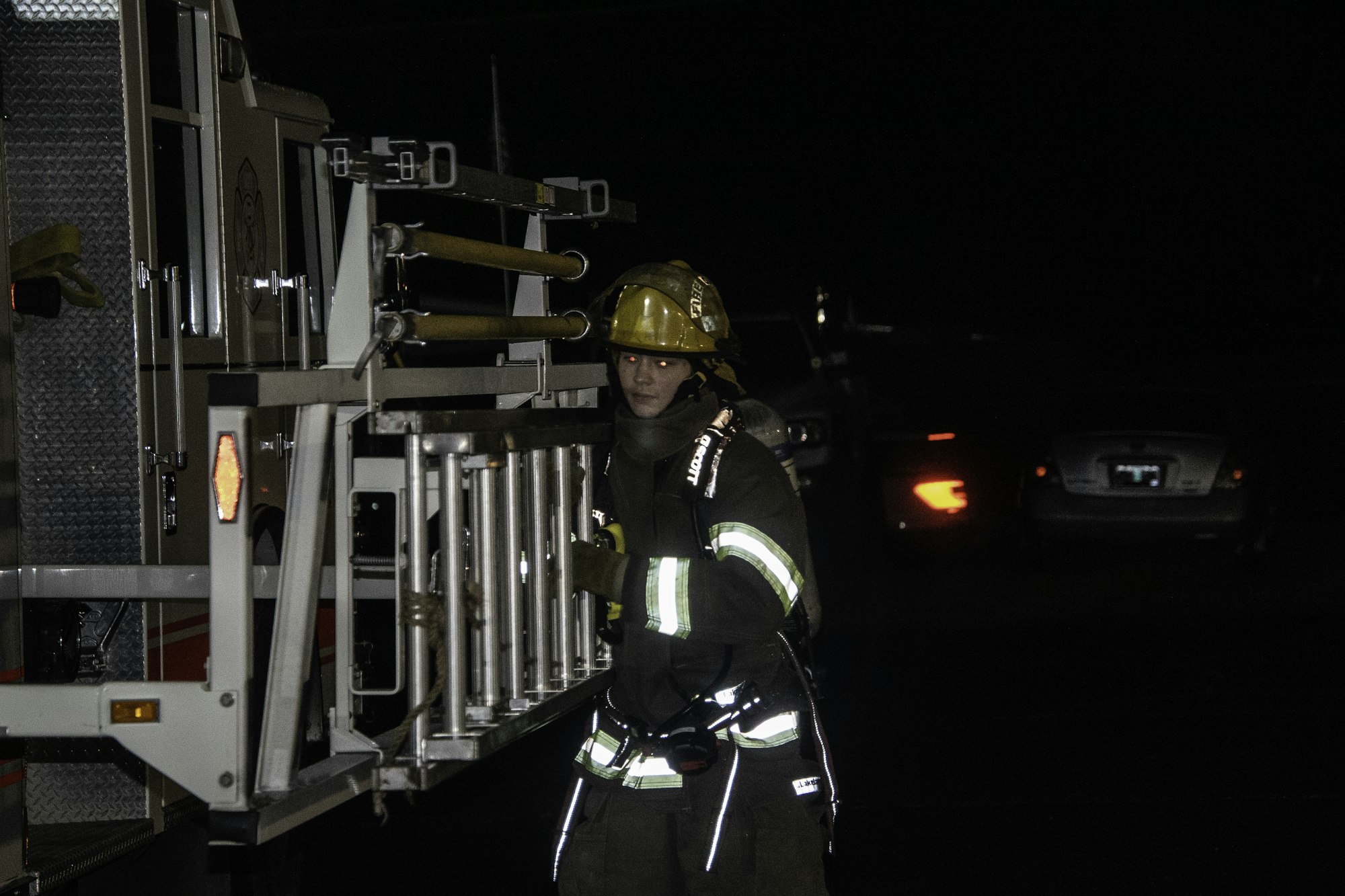
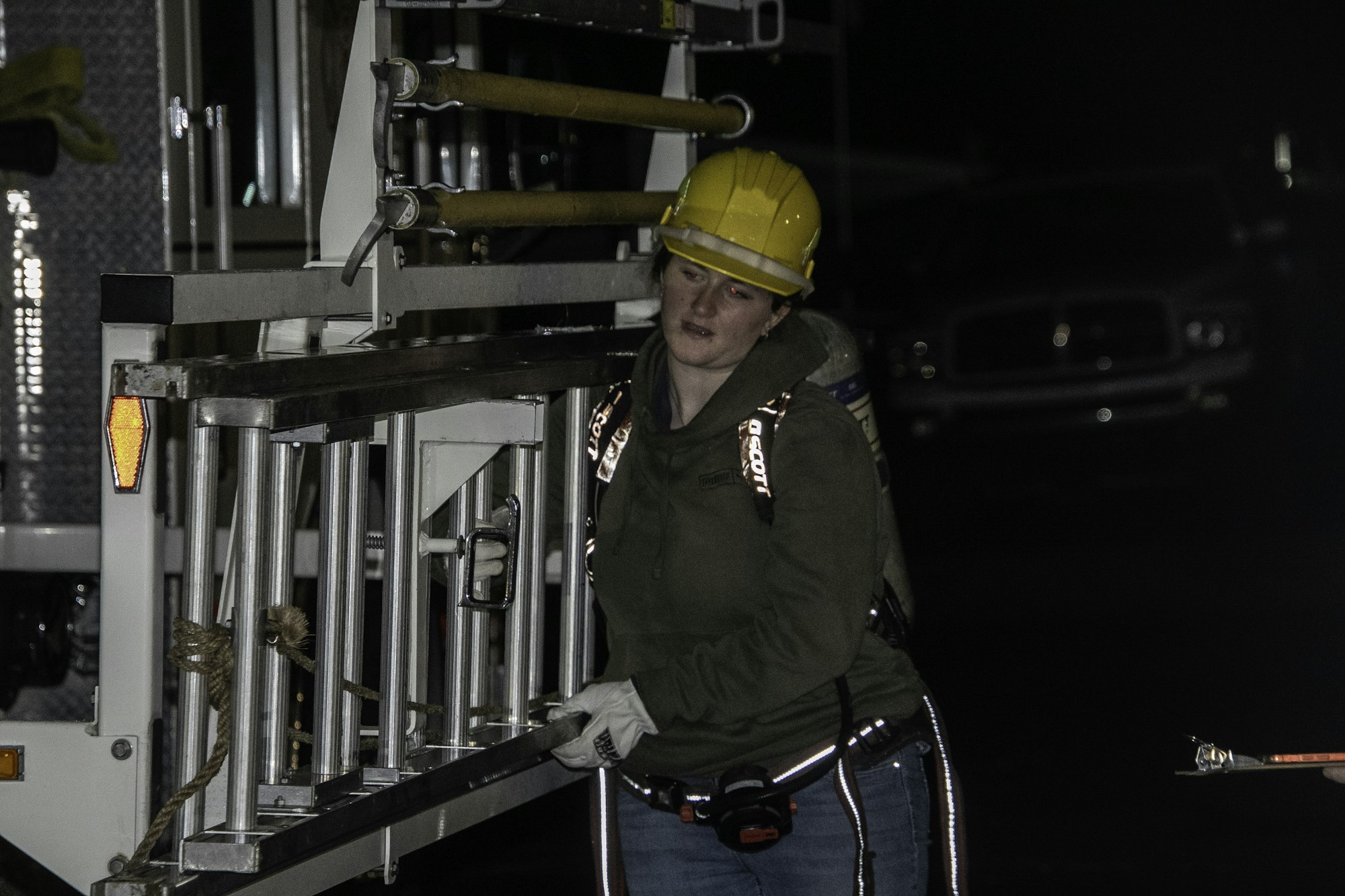
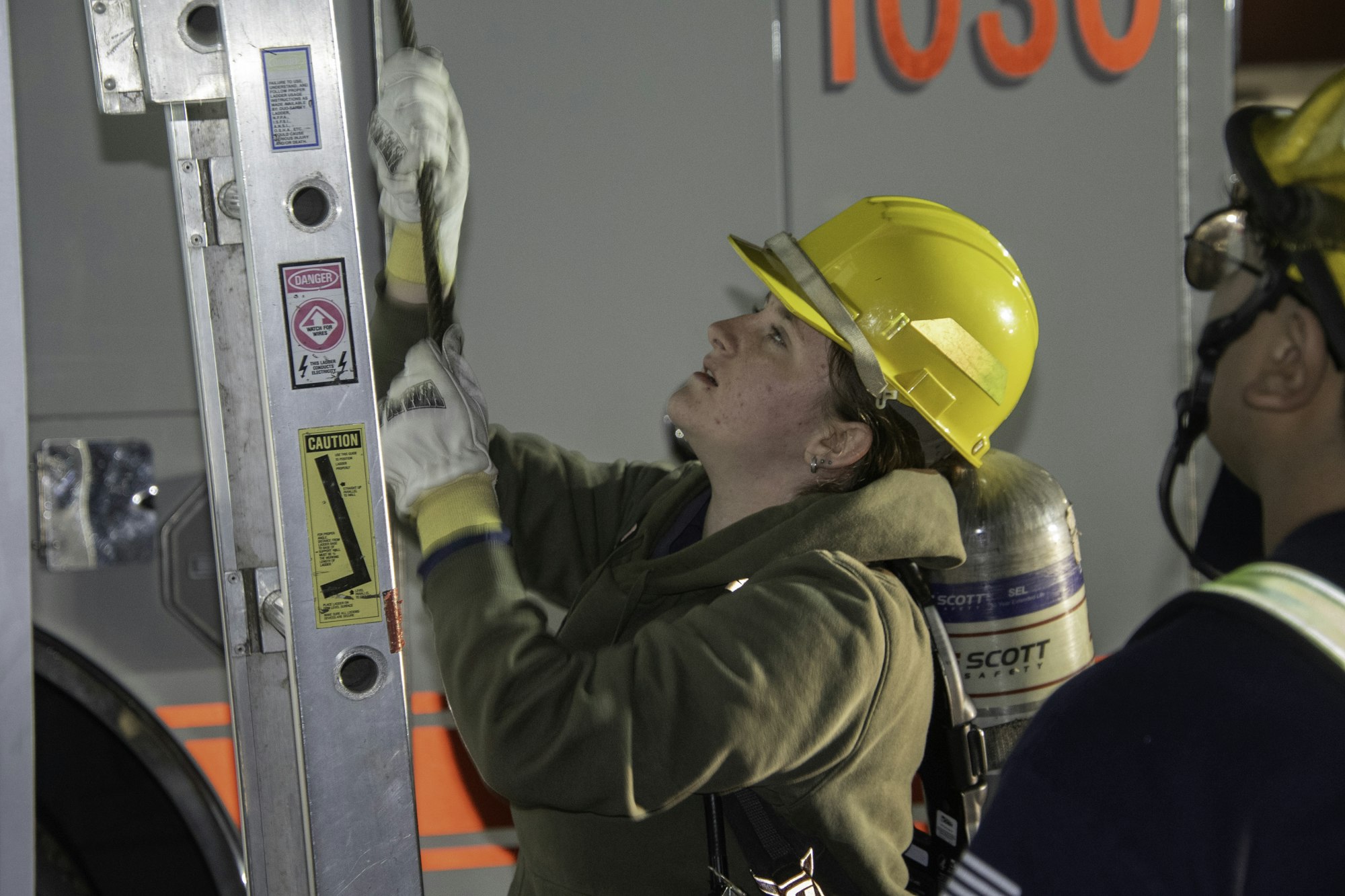
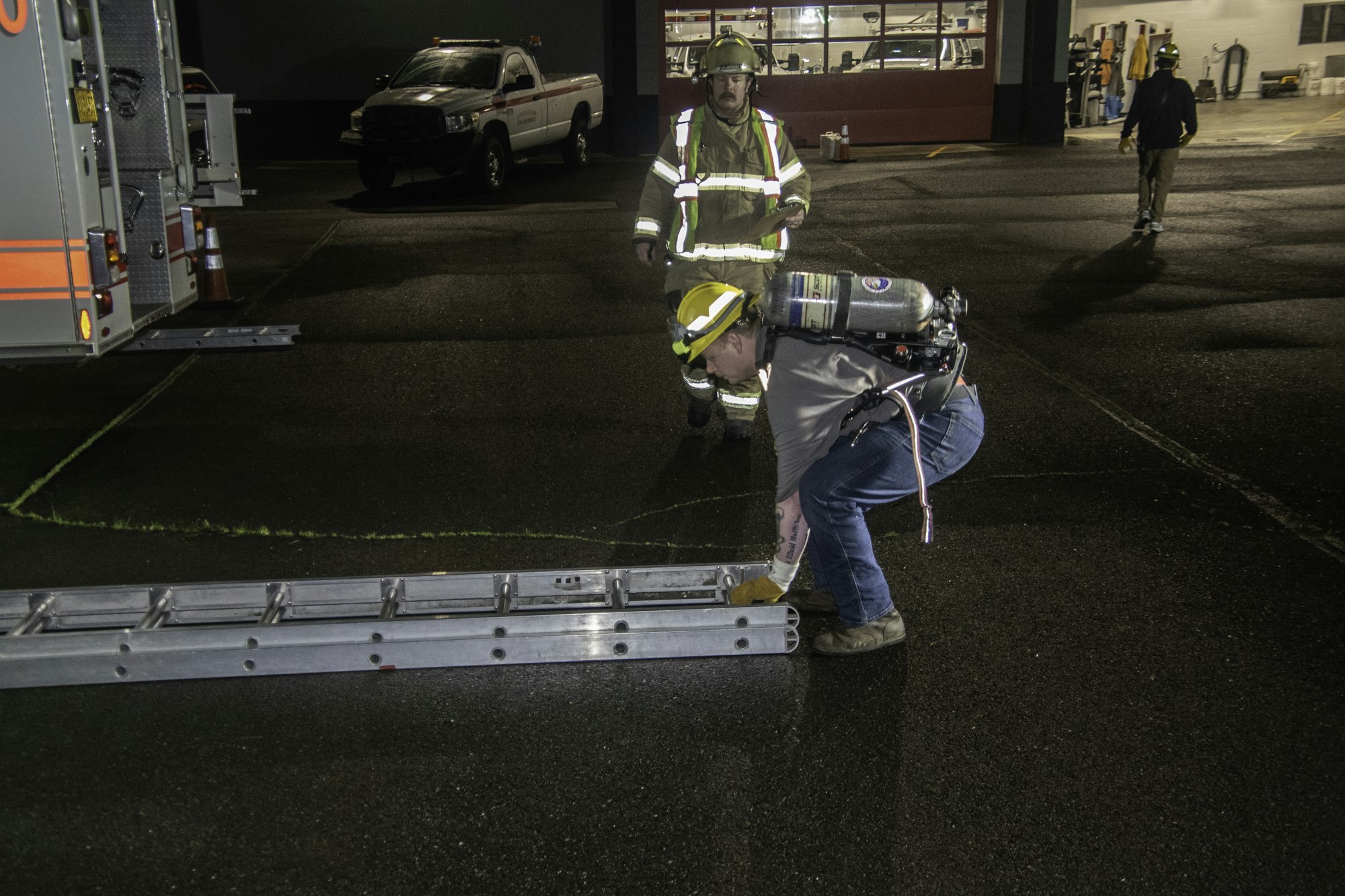
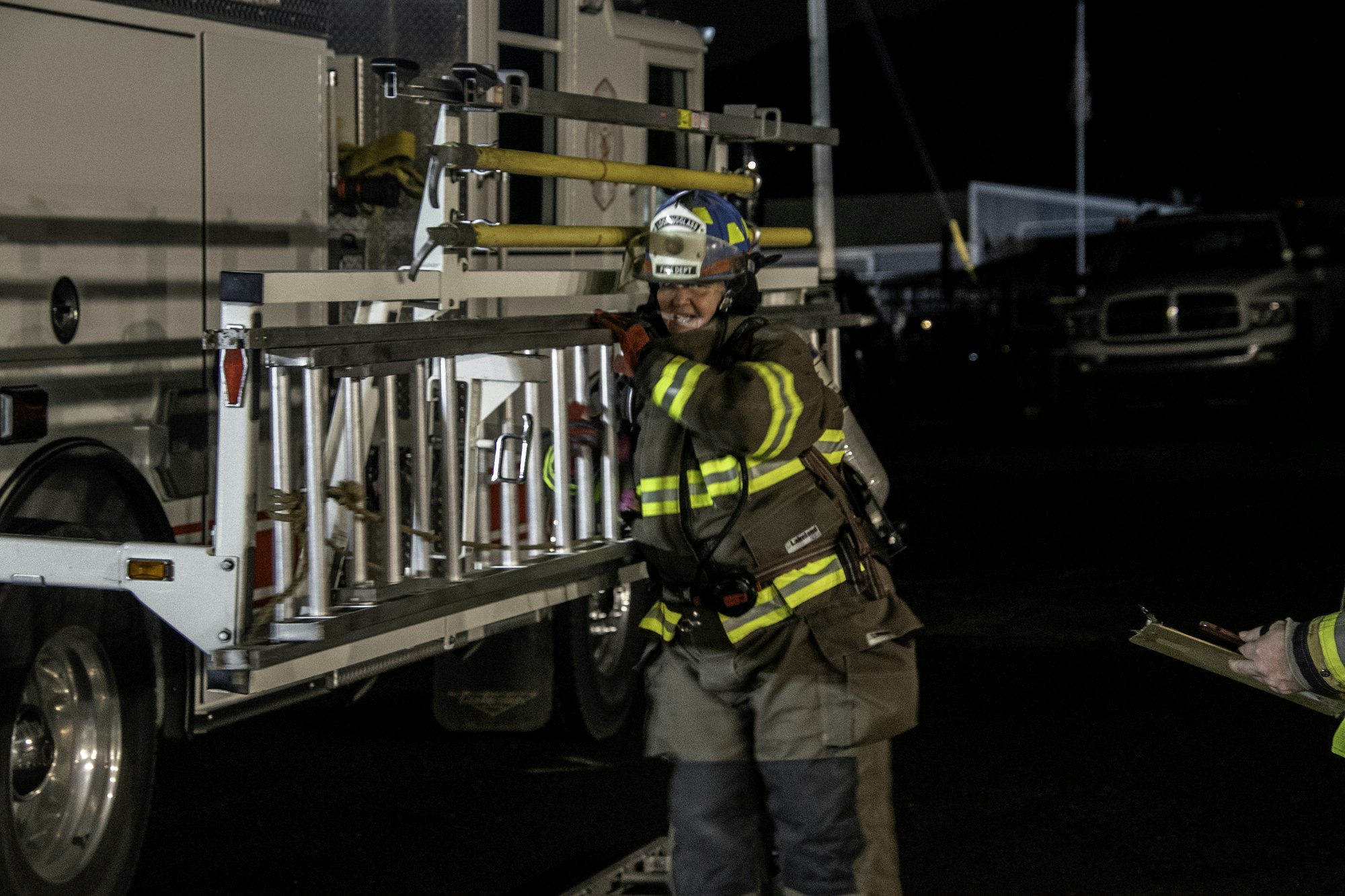
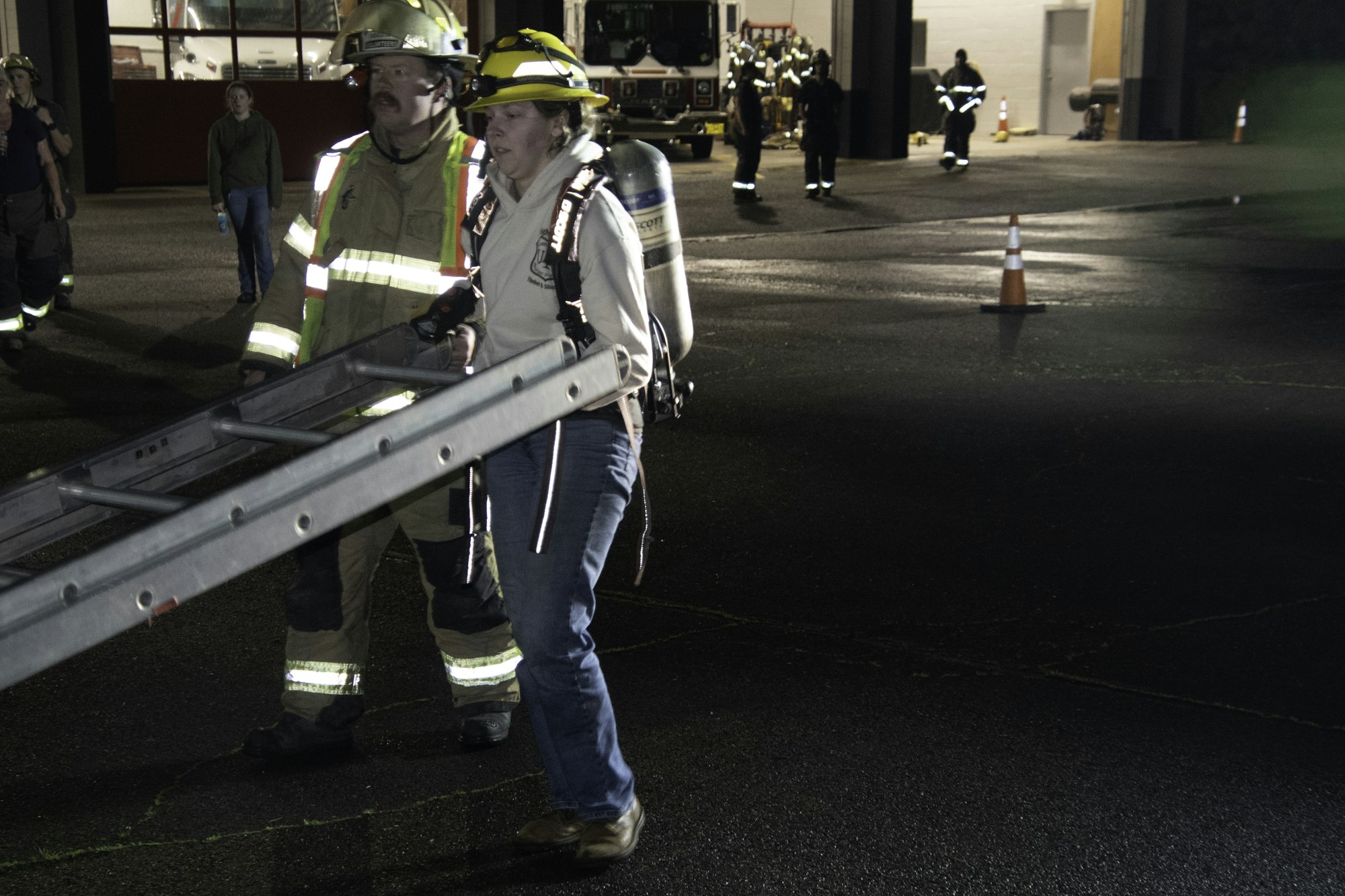
24-Foot Extension Ladder Carry (50 ft)
A firefighter removes a 24-foot extension ladder from the ladder rack on our first-out engine, carries it 50 feet, and re-racks it alone. This simulates retrieving and handling ladders when operating with limited staffing.
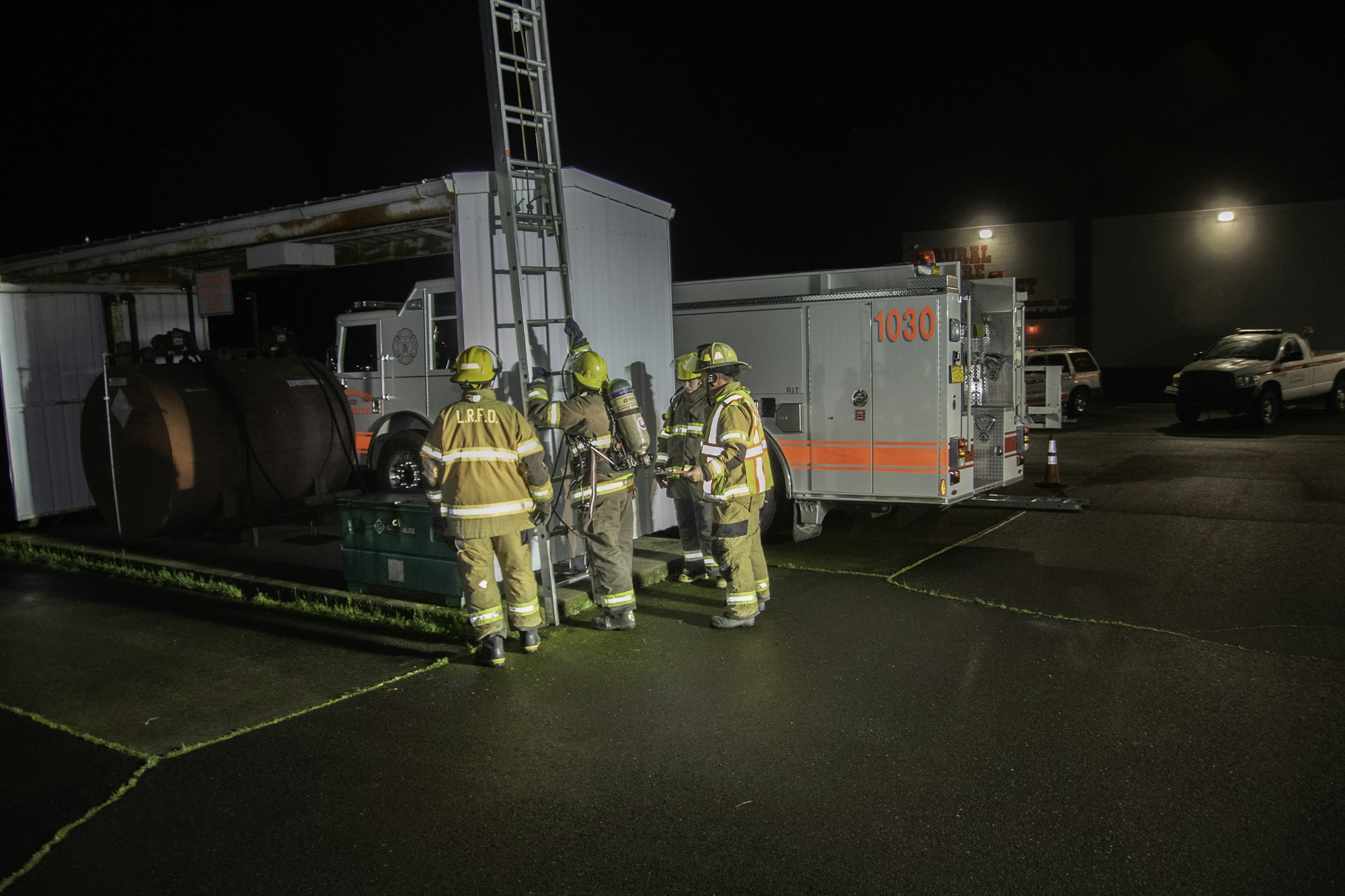
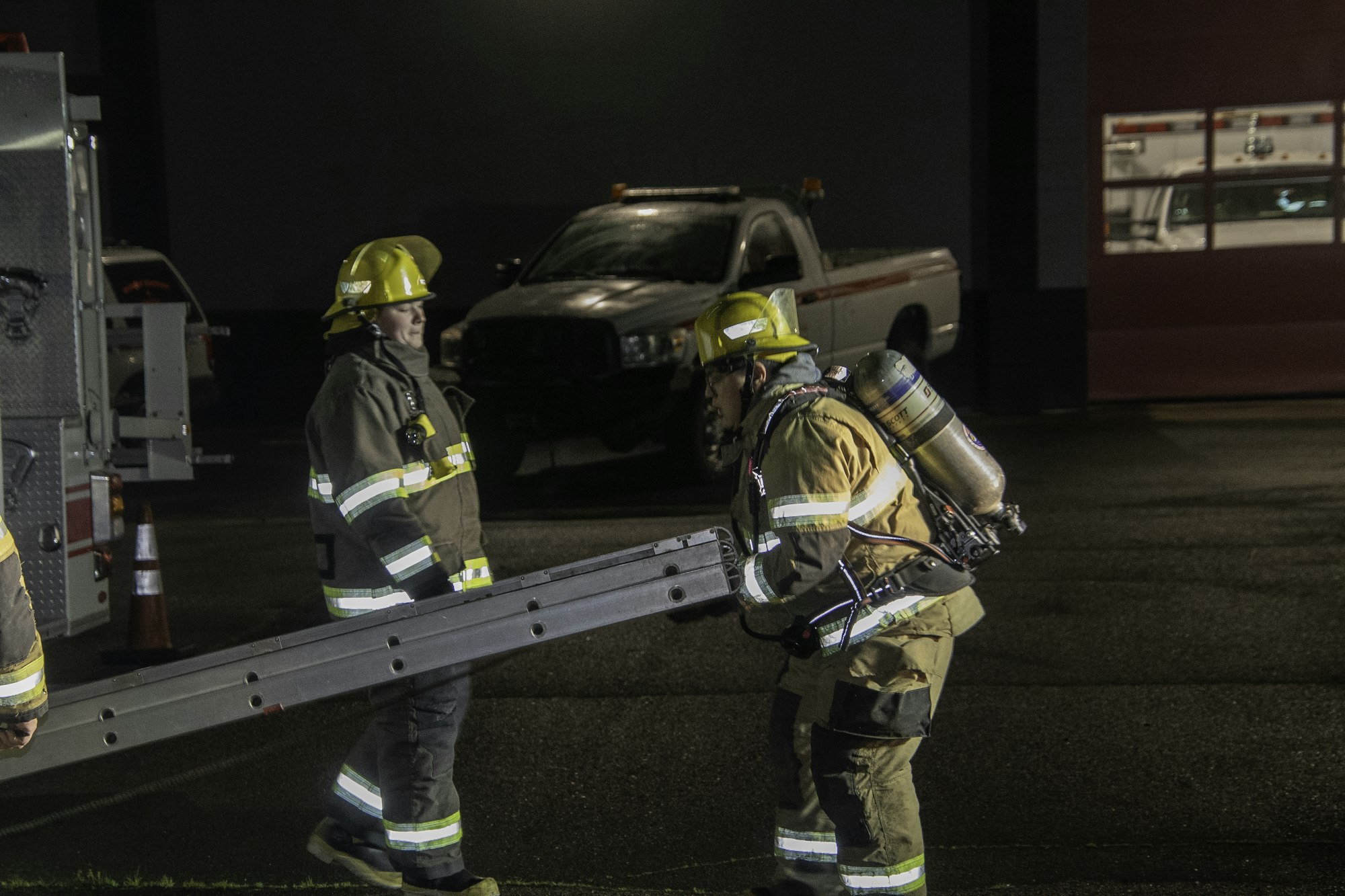
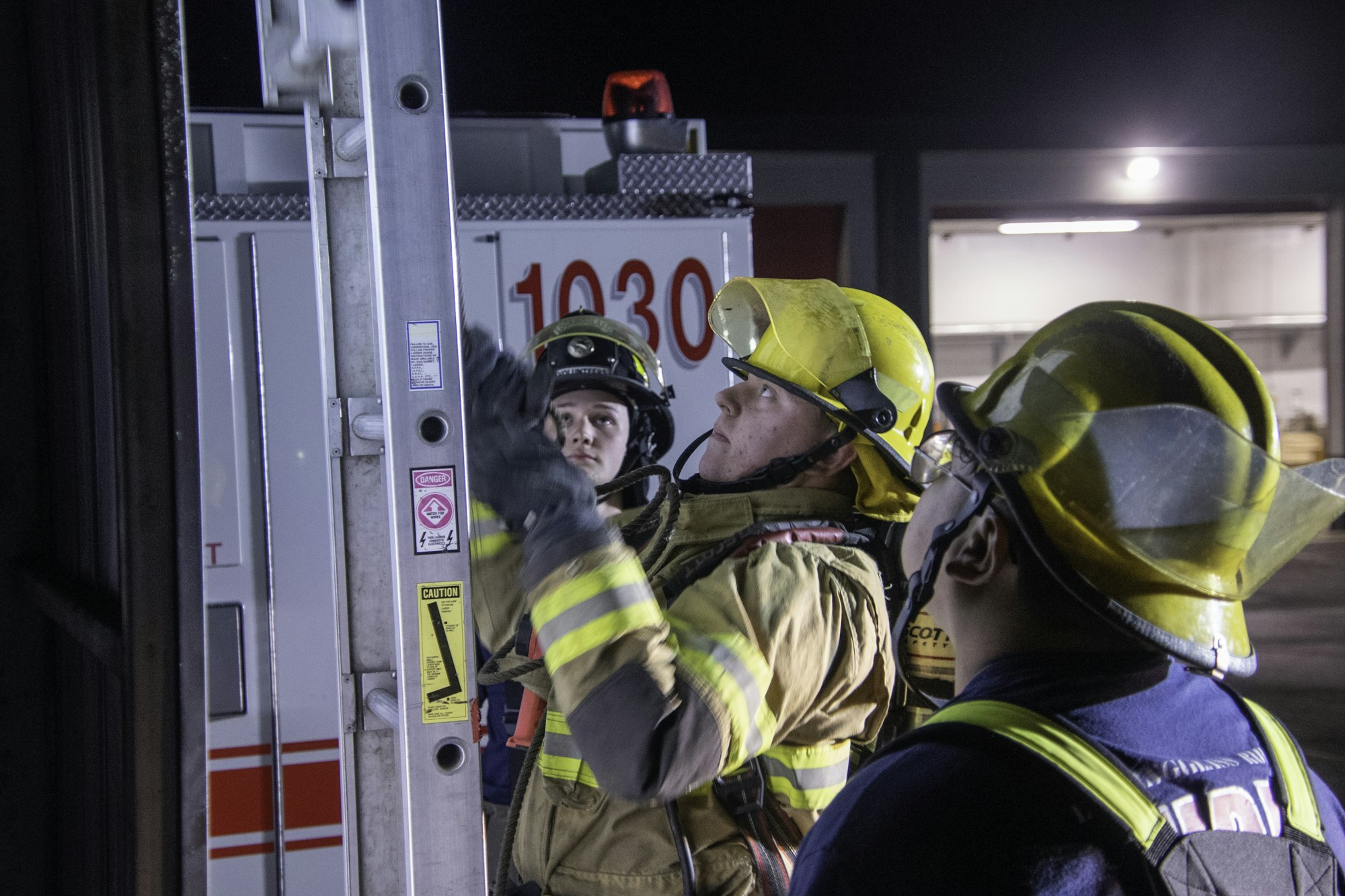
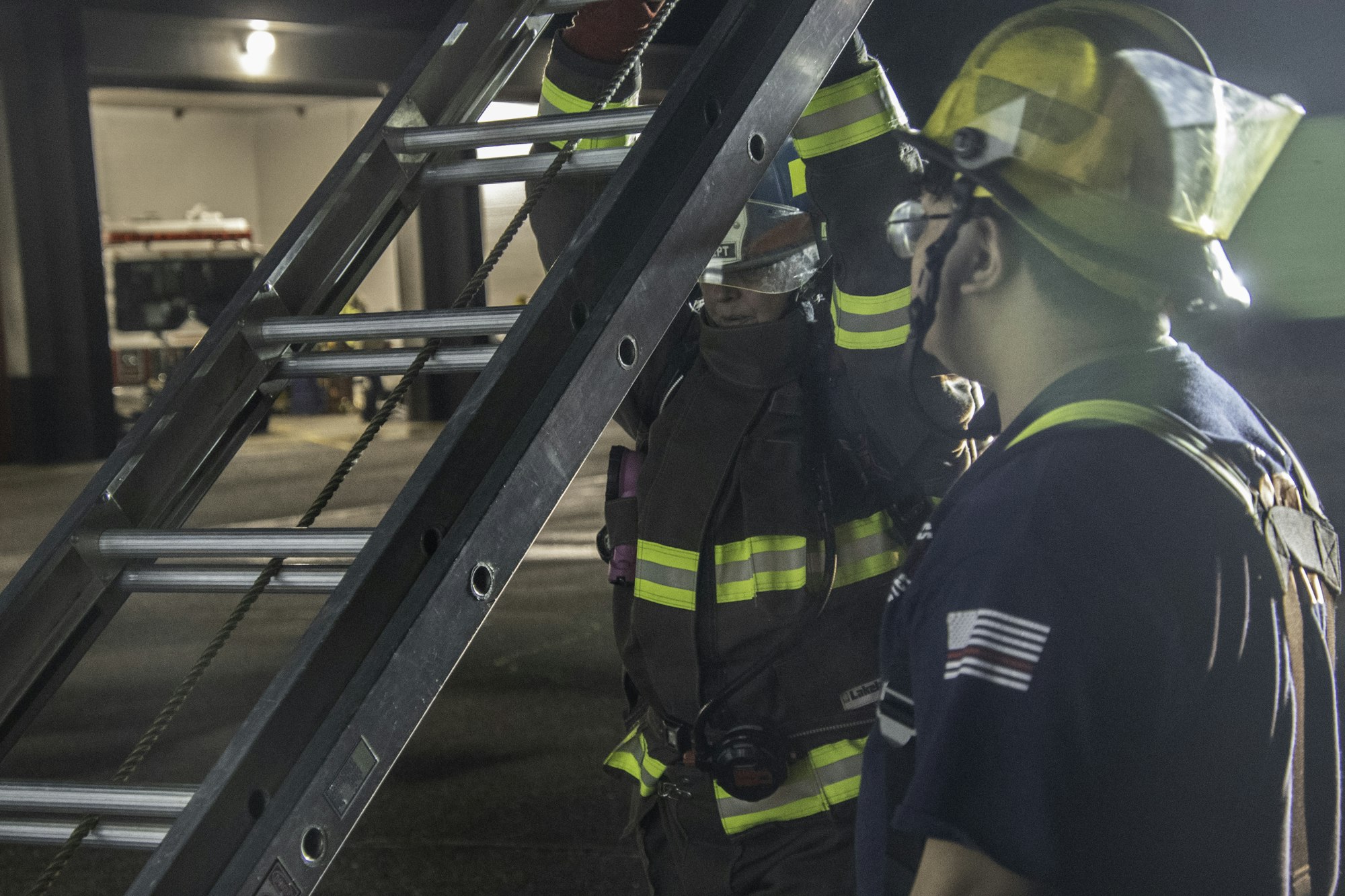
Extension Ladder Raise & Fly Raise
The ladder is raised to a structure and the fly section extended fully before being lowered again. This simulates deploying ground ladders during emergency operations when additional personnel may not yet be on scene.
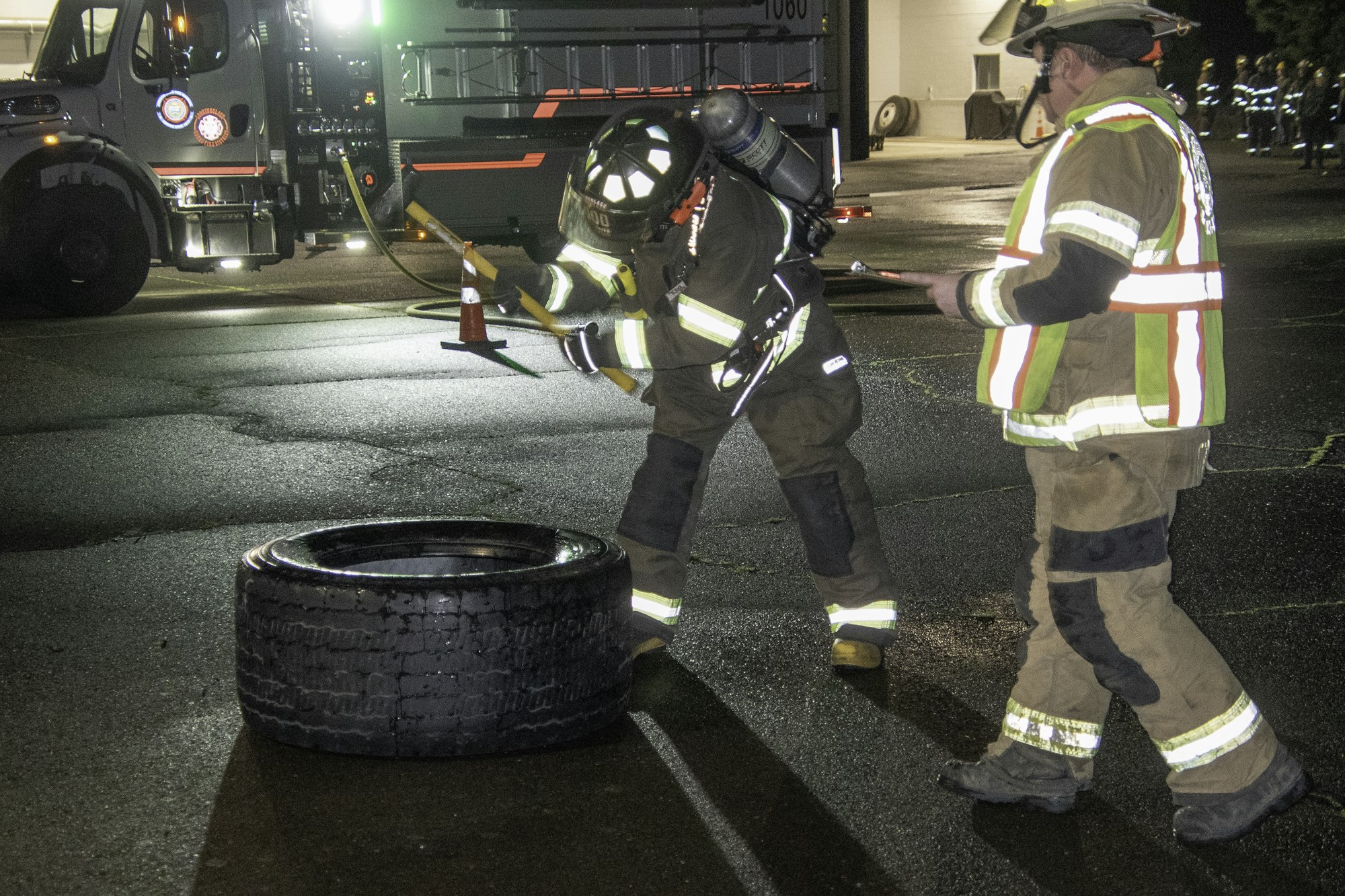
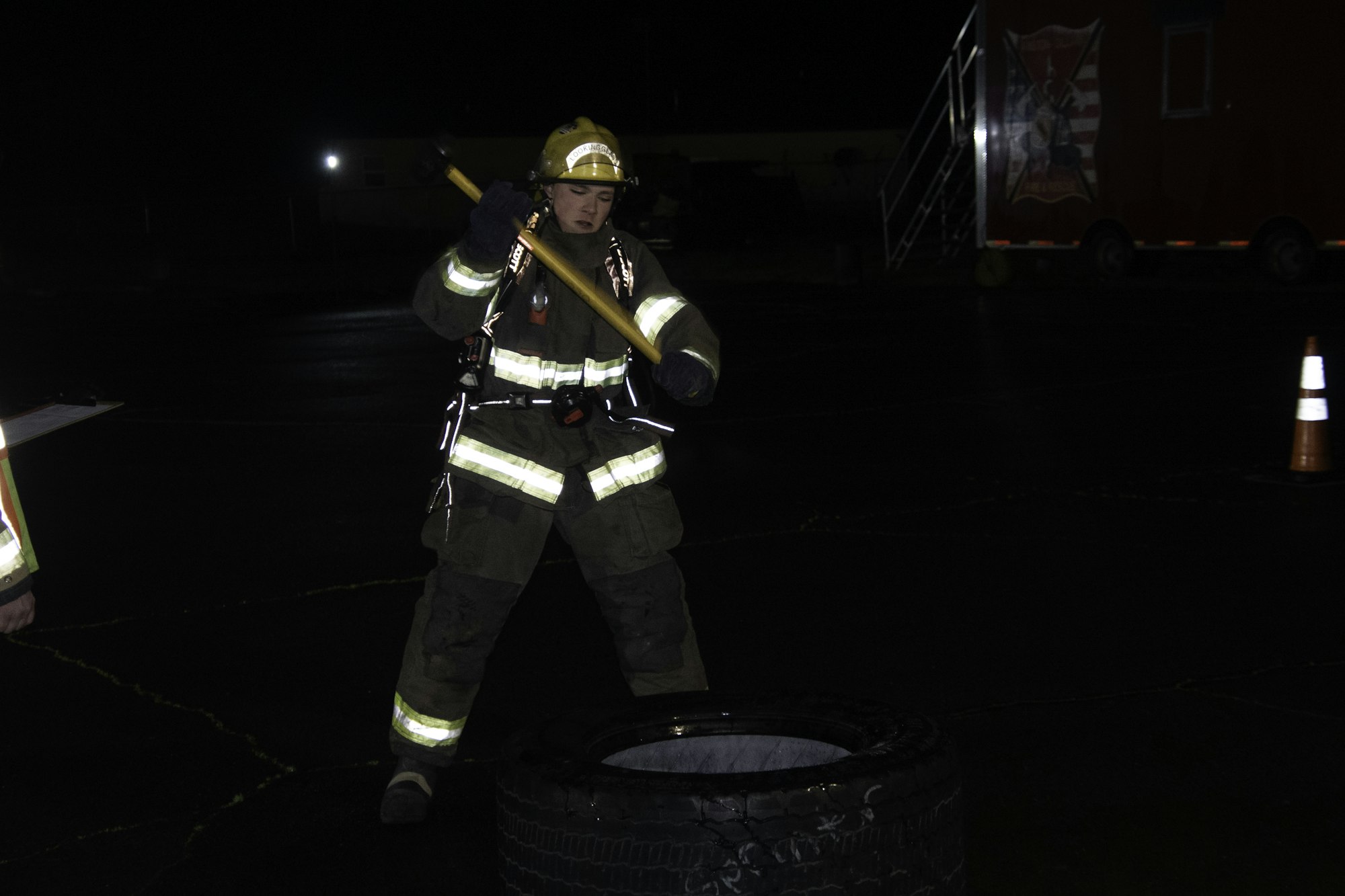
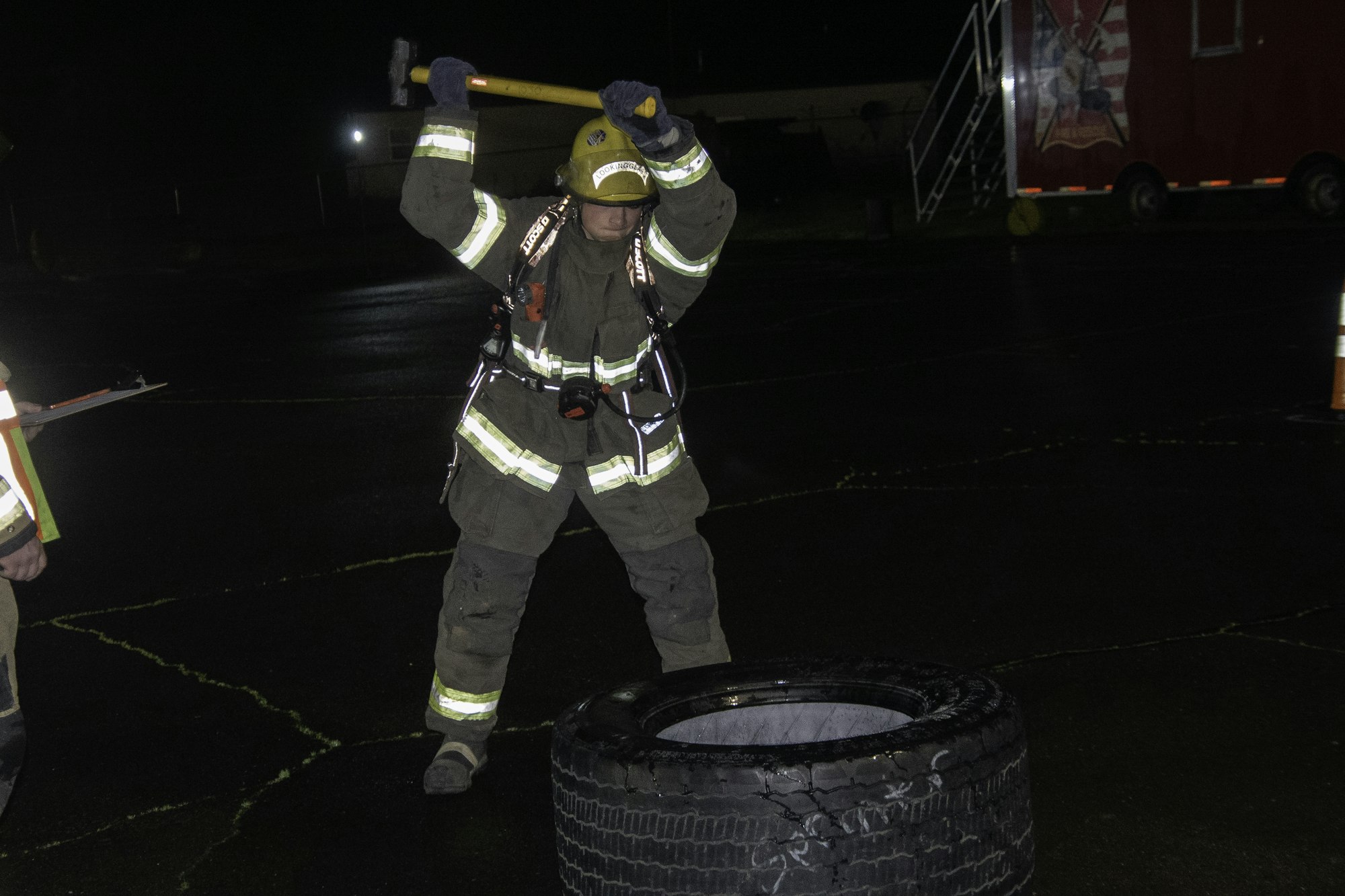
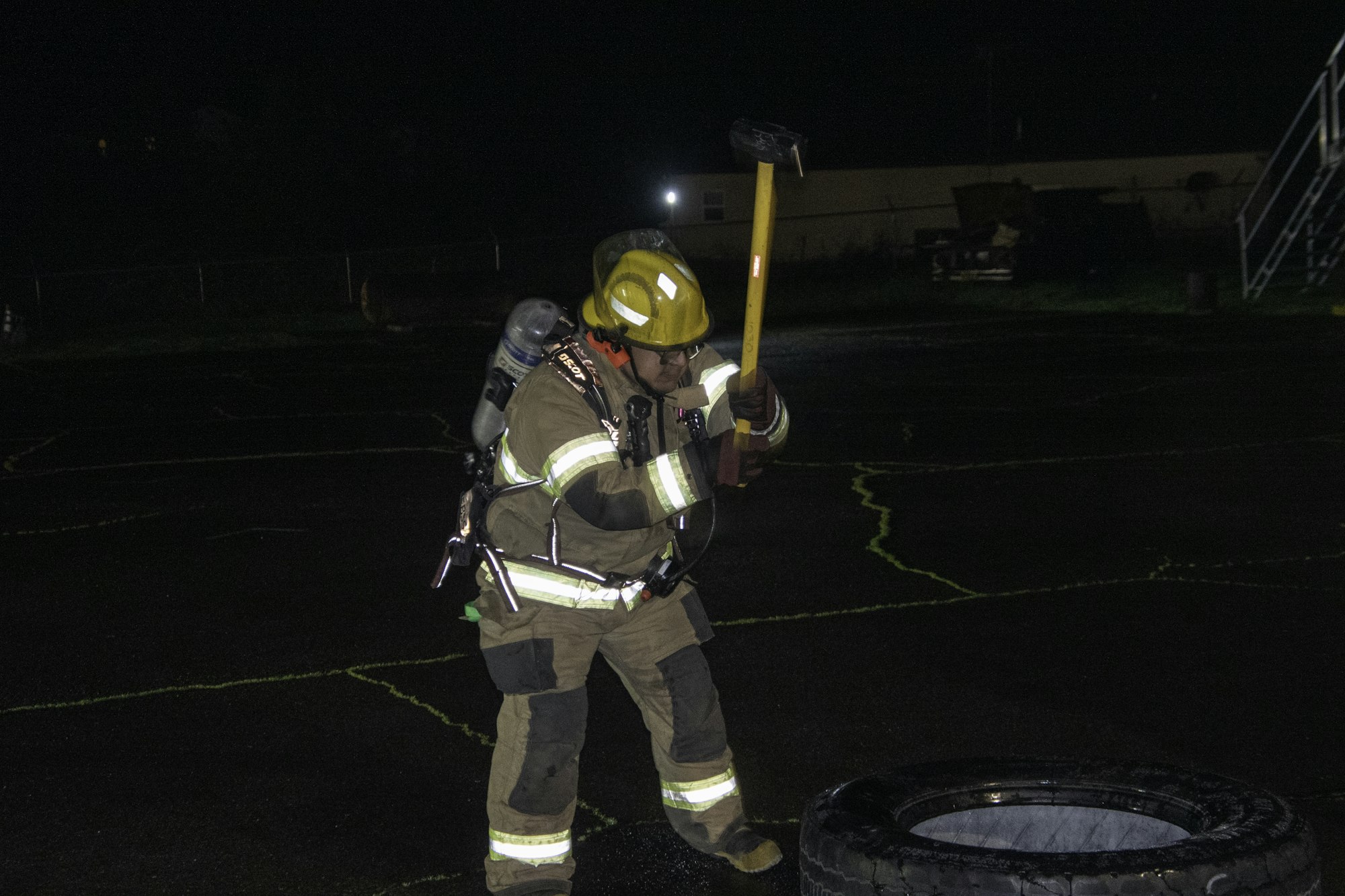
Sledgehammer Tire Hits
Ten strikes with an 8-pound sledgehammer simulate the physical effort required when opening roofs or floors during fire suppression operations.
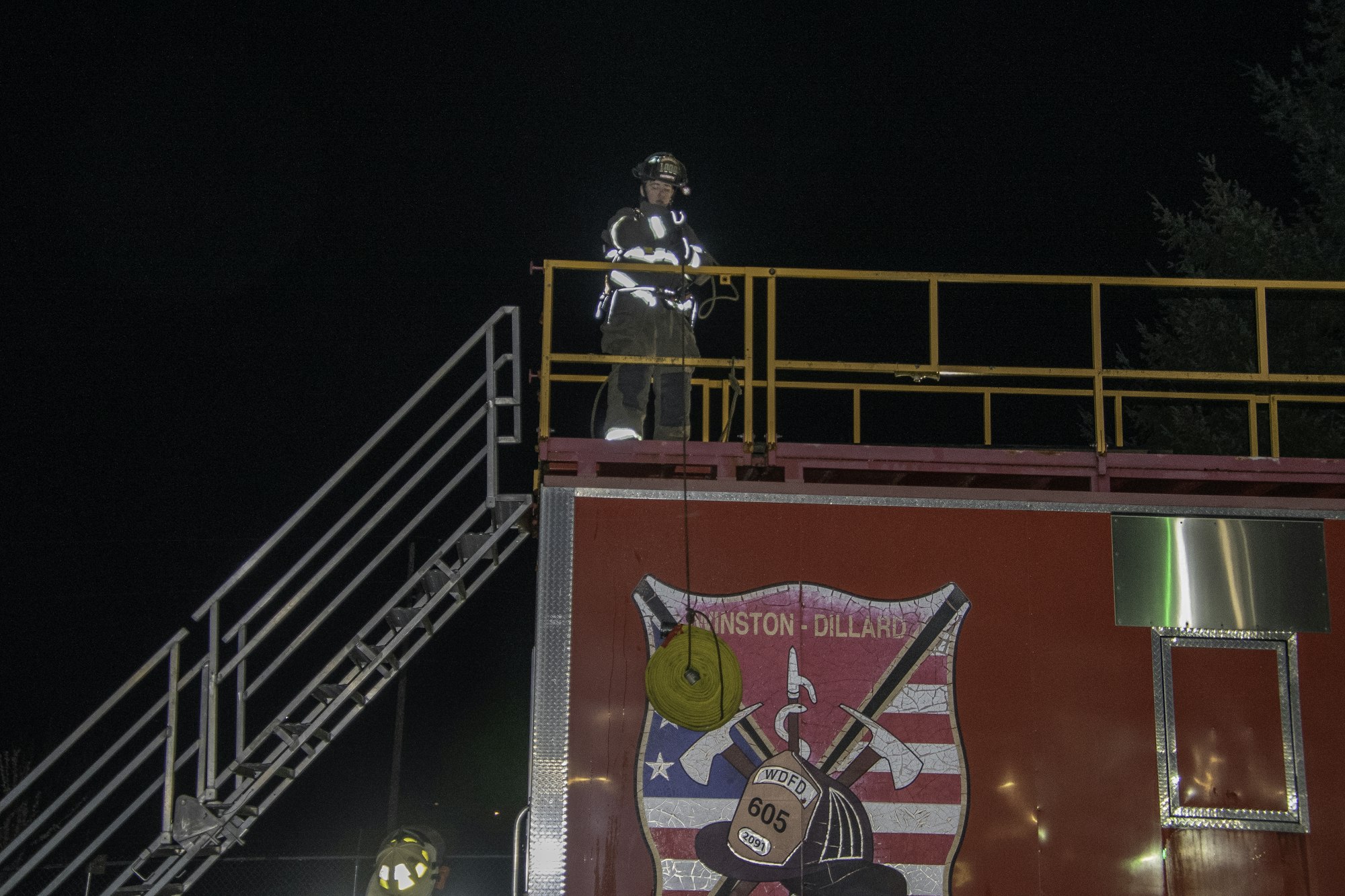
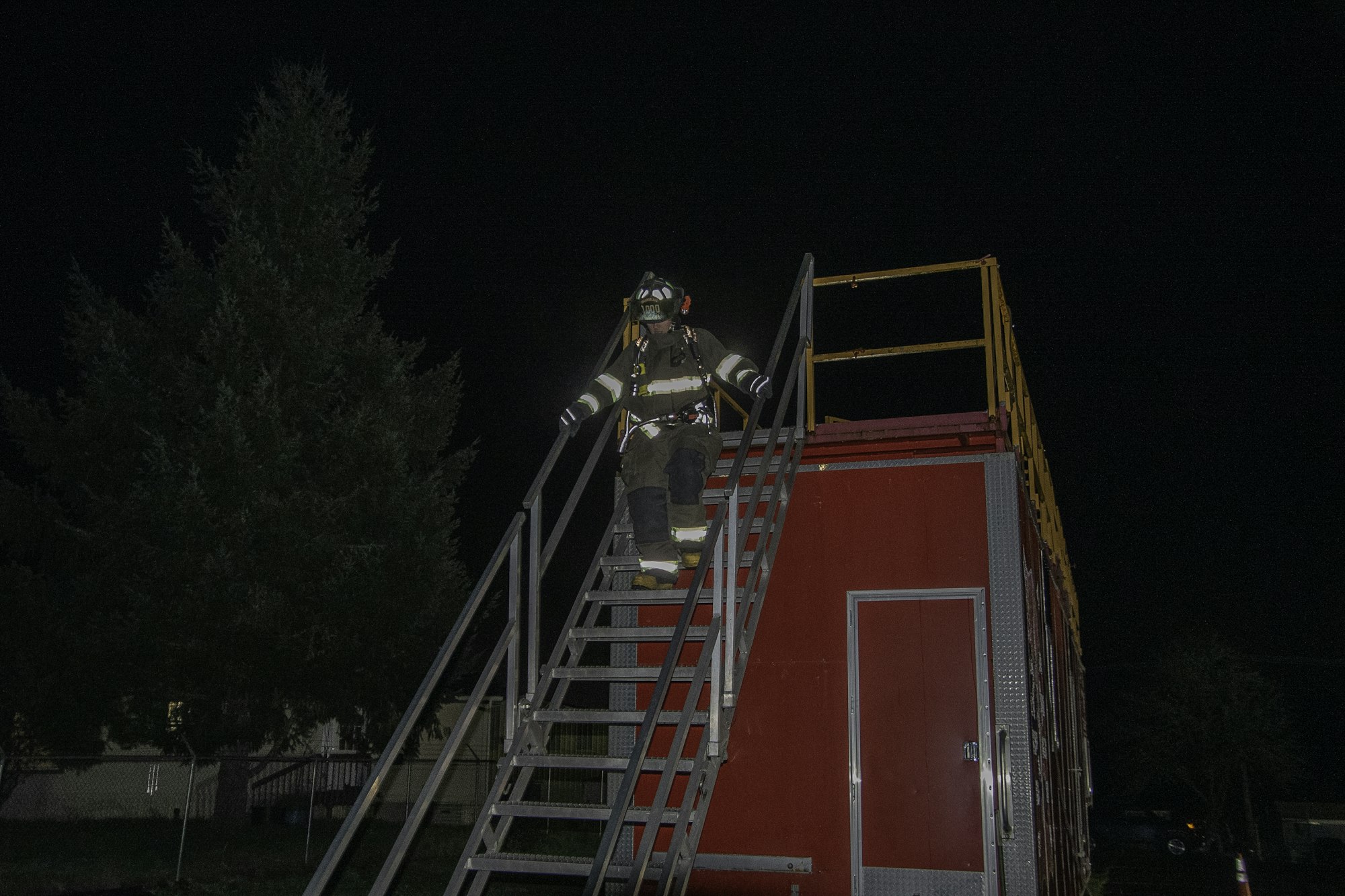
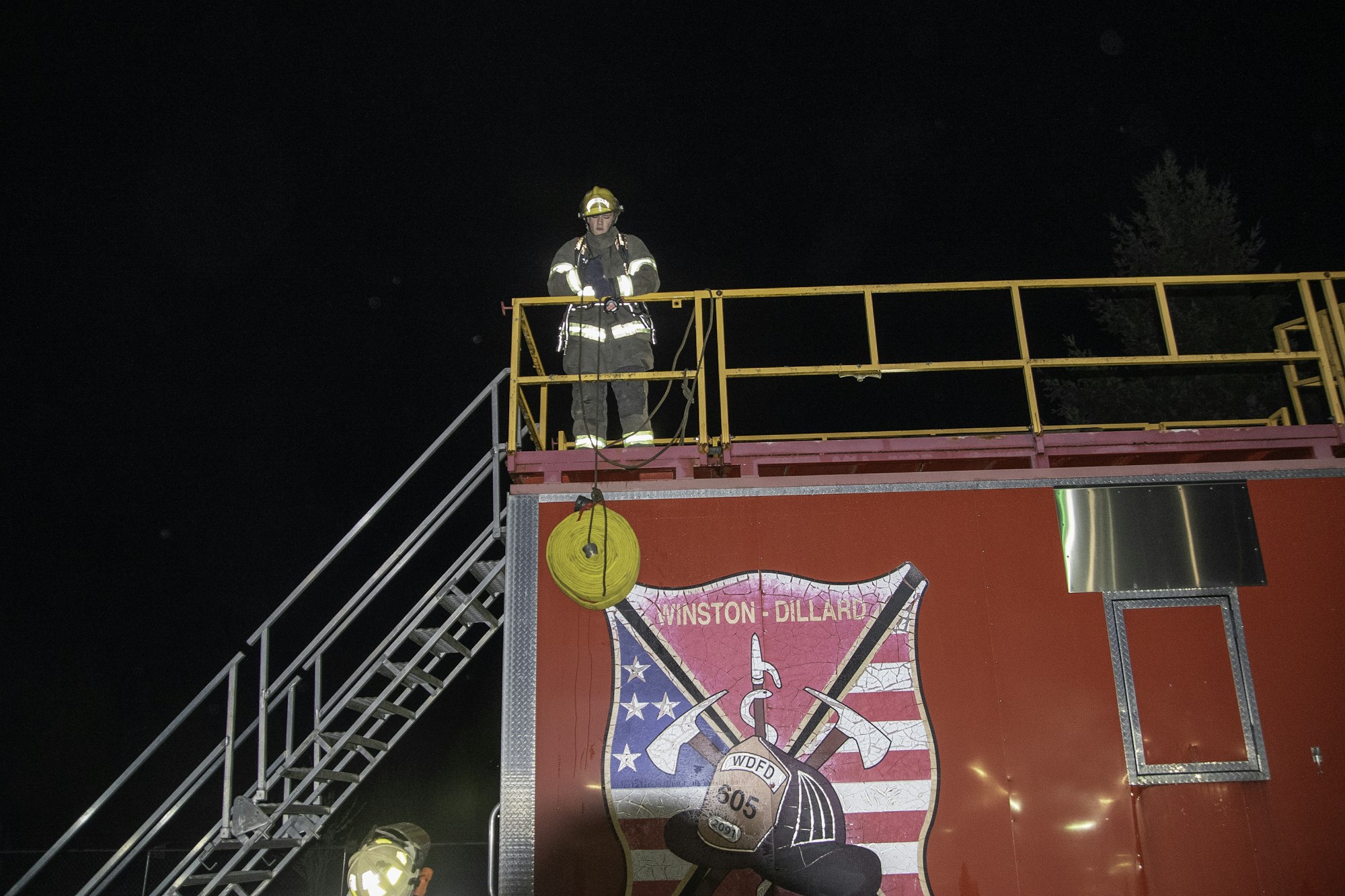
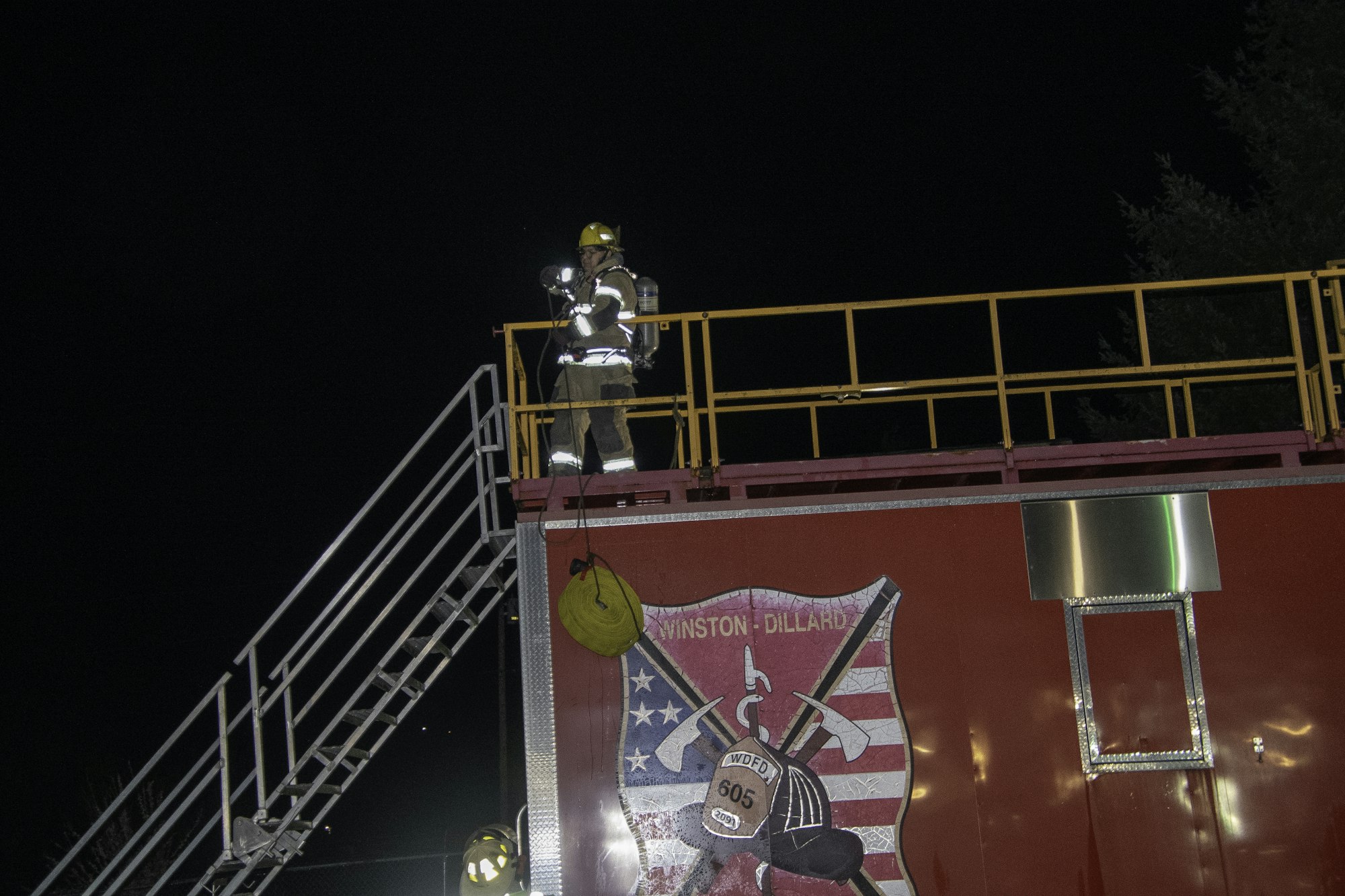
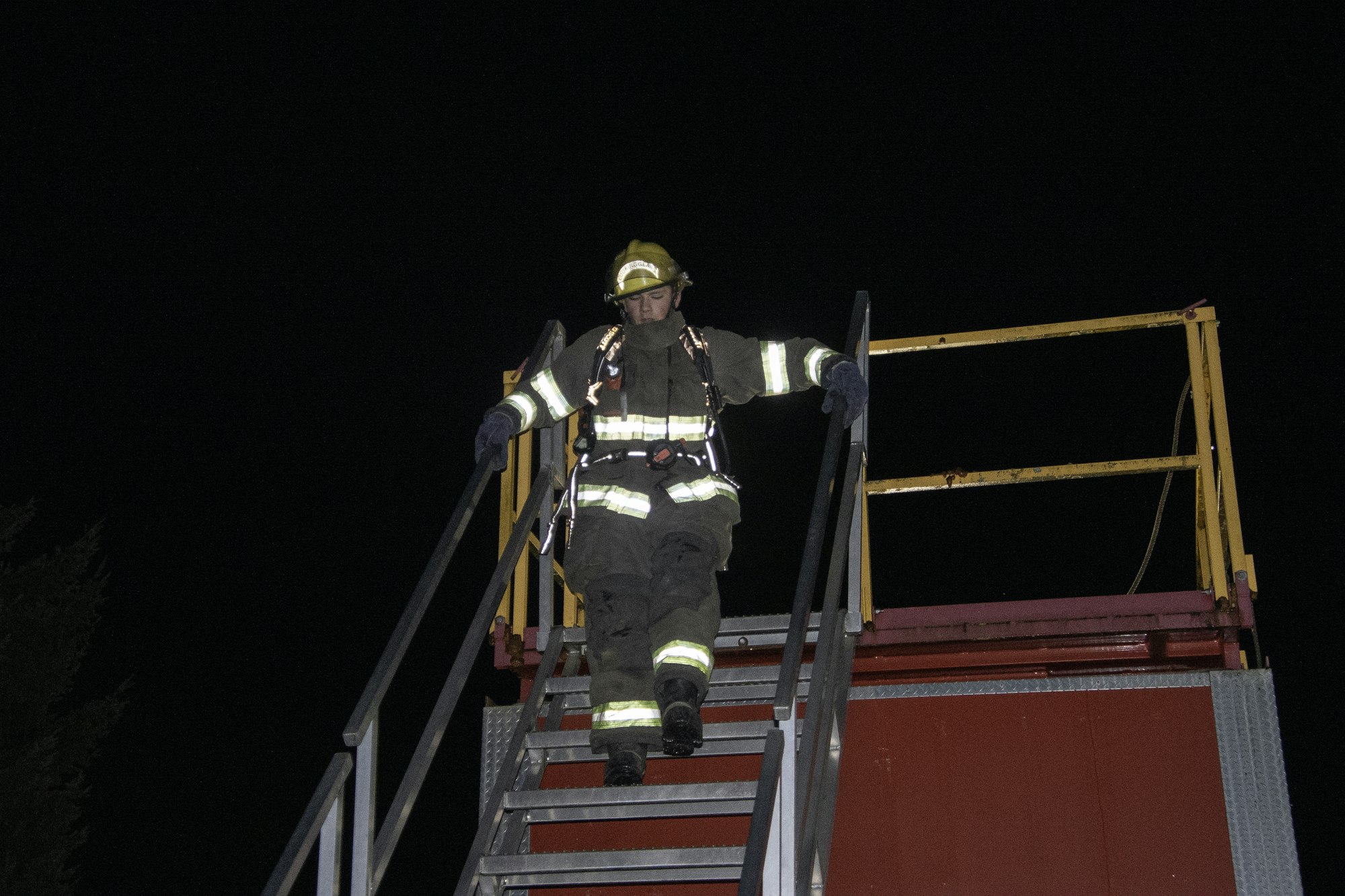
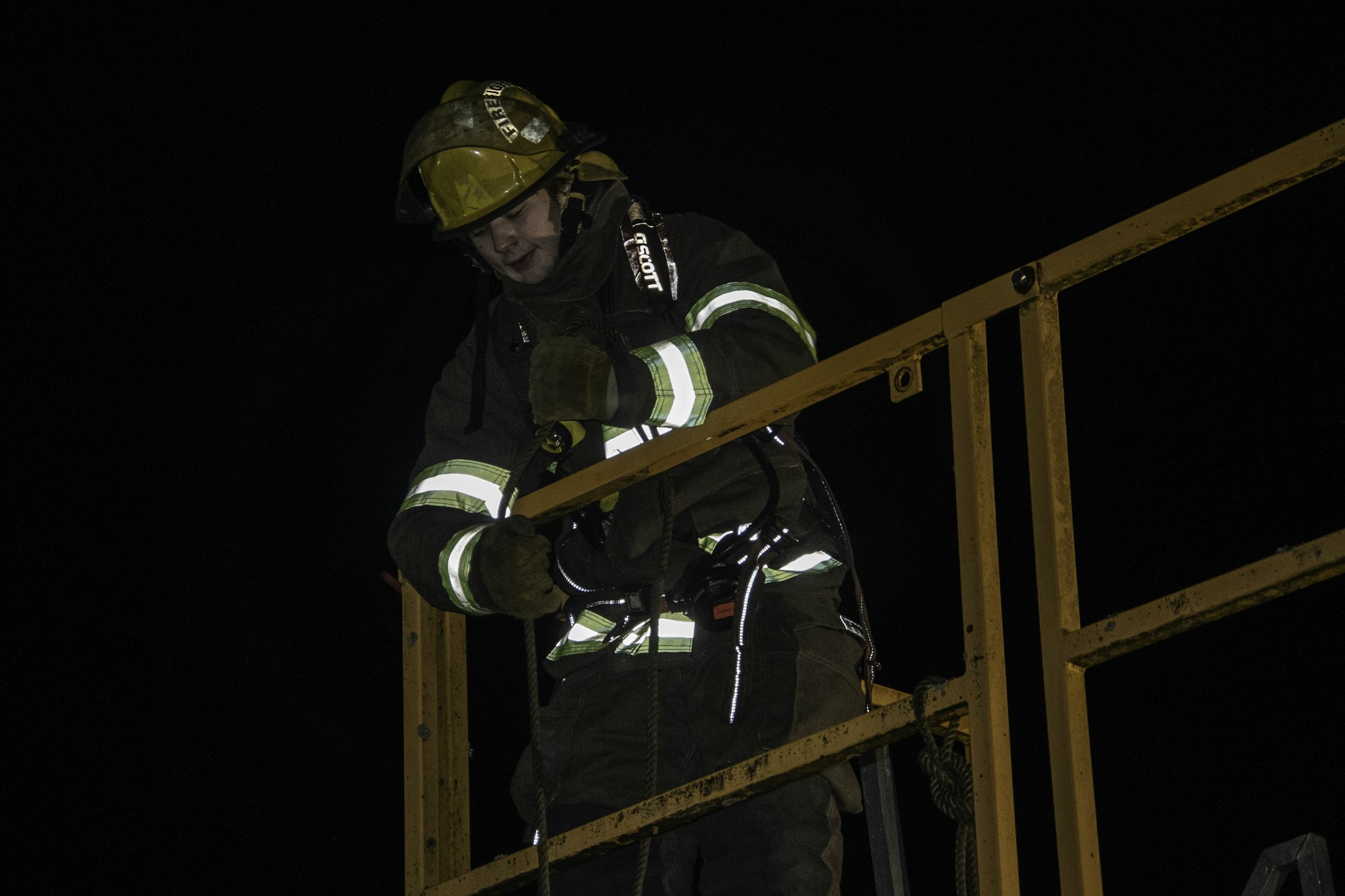
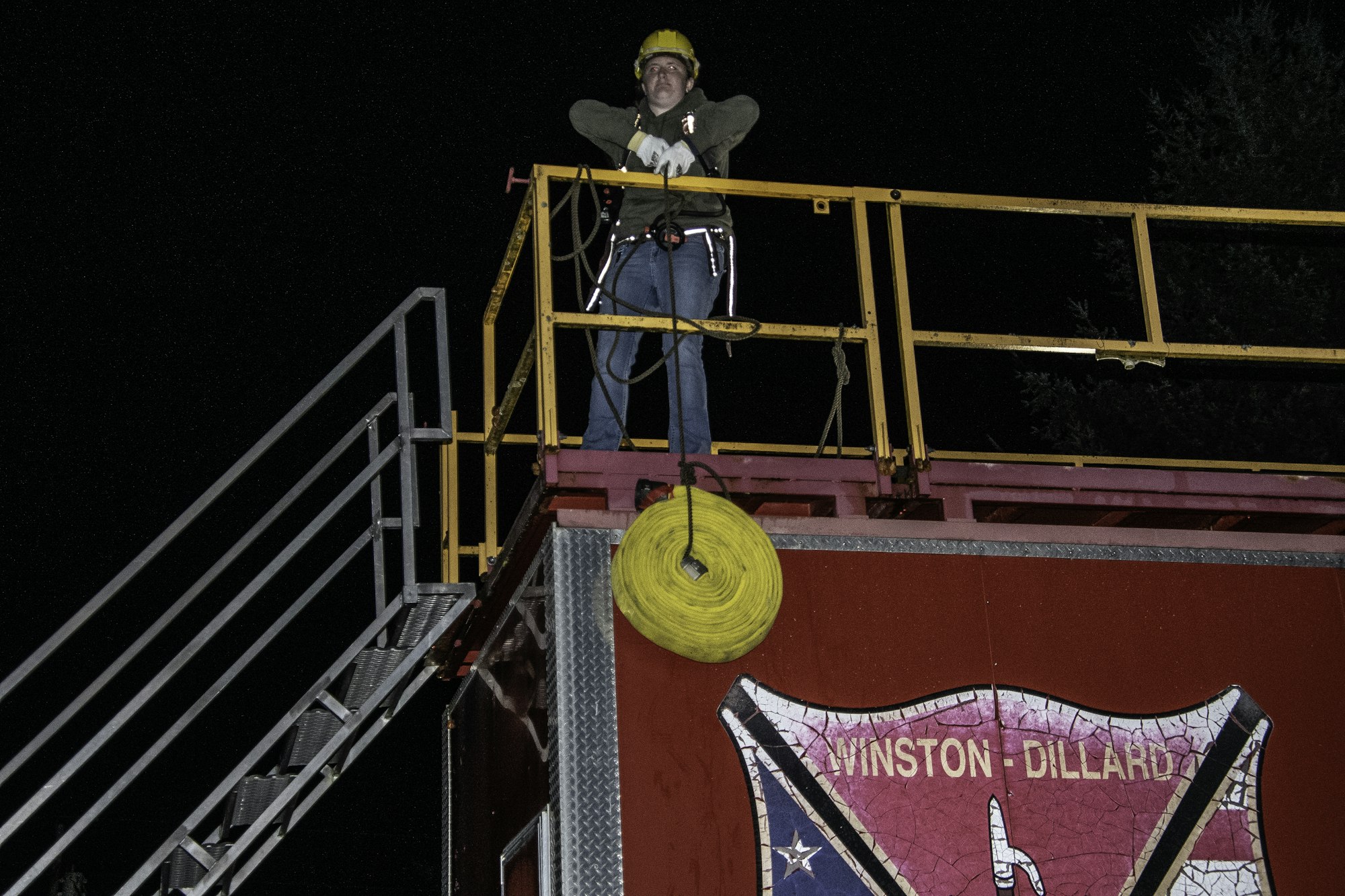
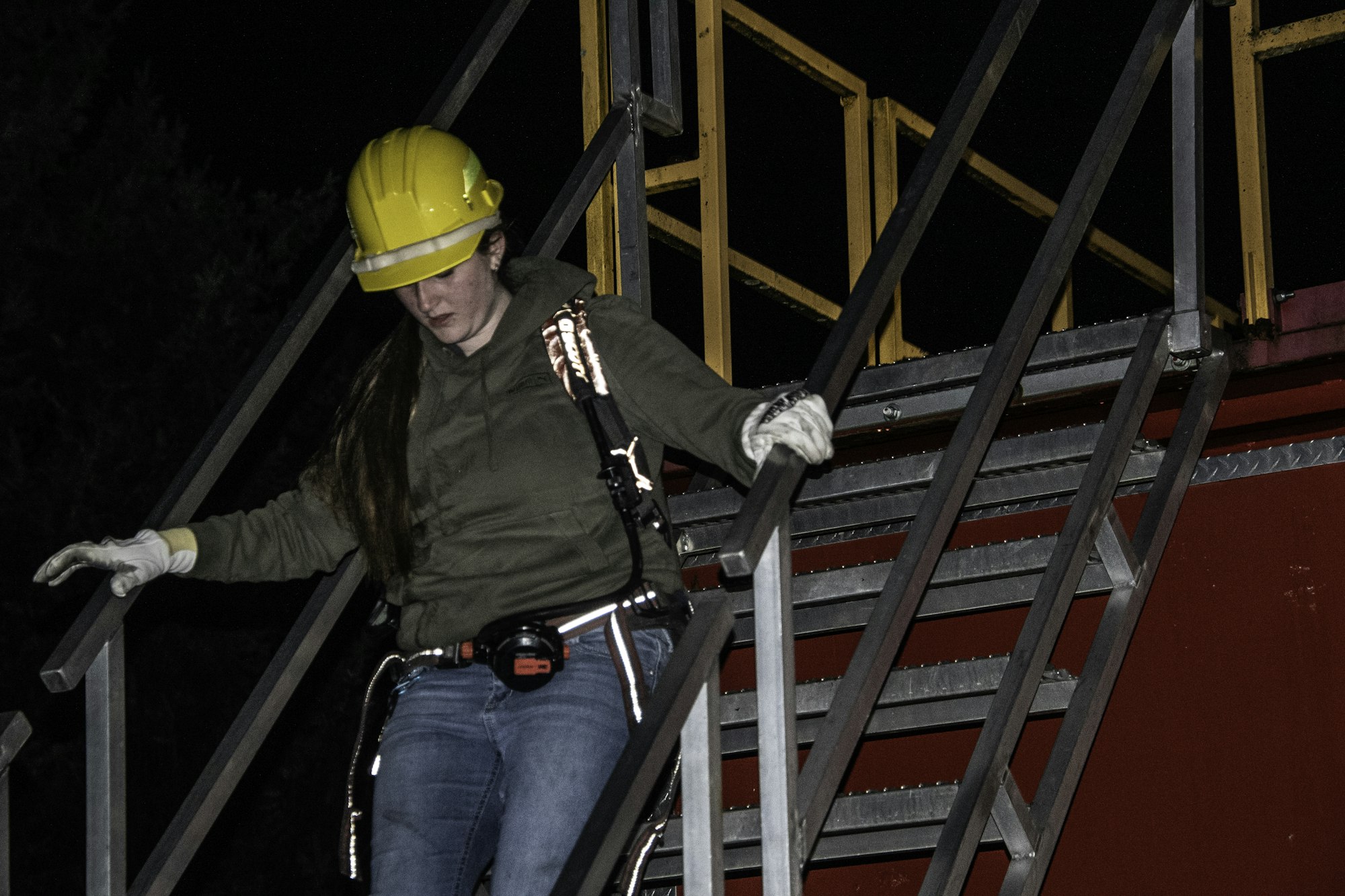
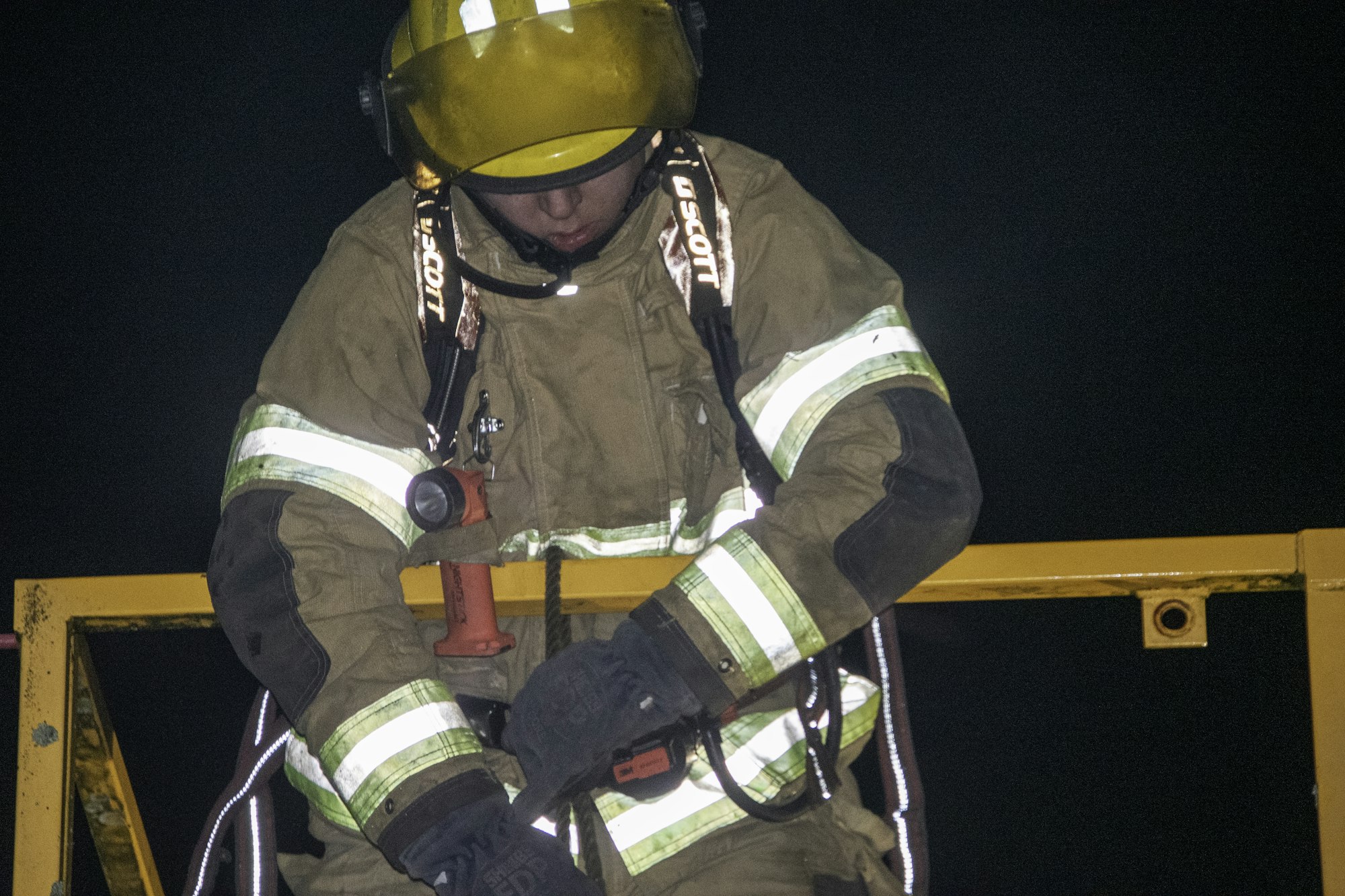
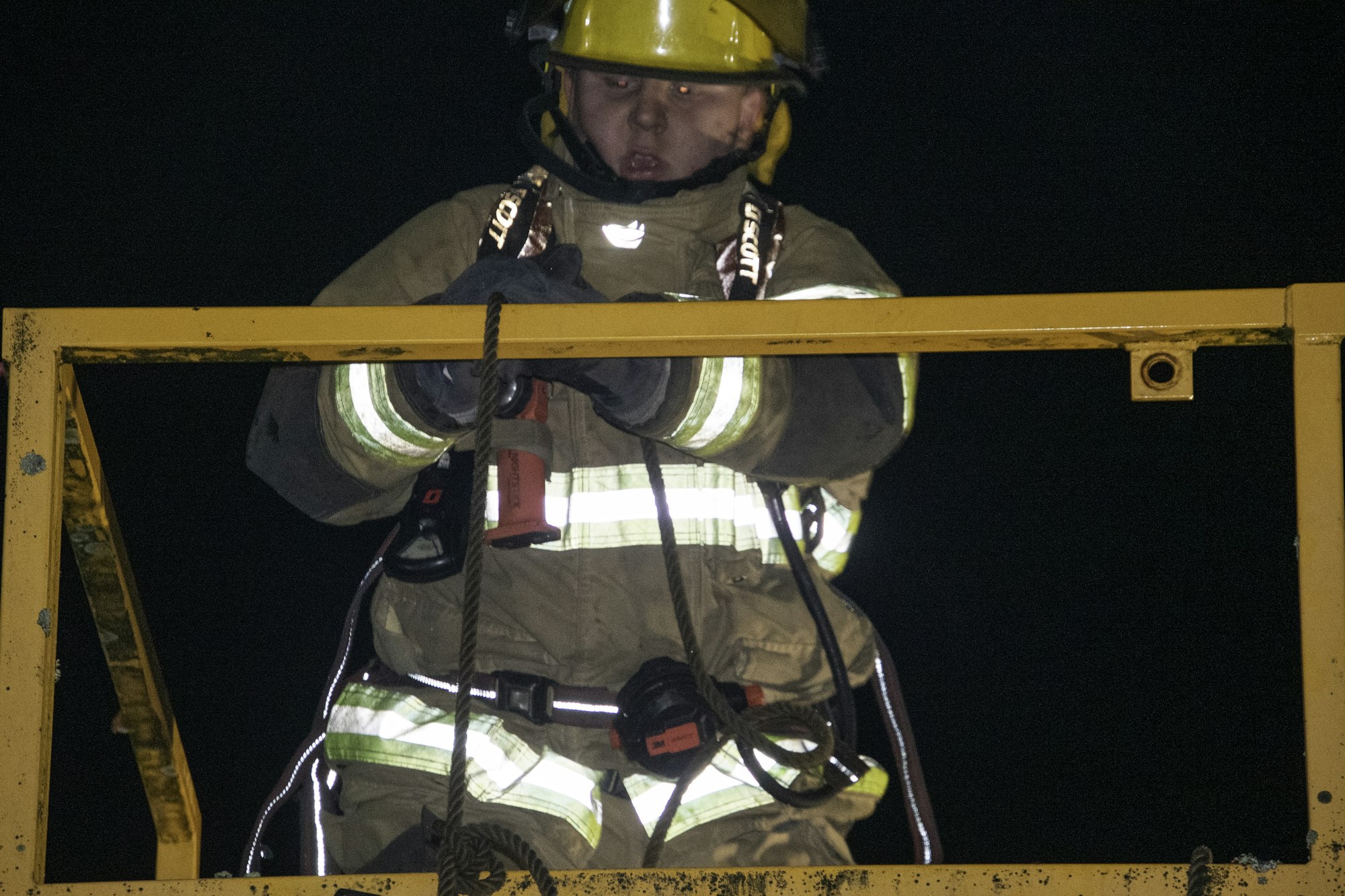
Stair Climb & Tool Hoist
After climbing a flight of stairs, volunteers hoist a 50-foot section of rolled 2½-inch structural hose and then lower it back down unassisted, simulating raising tools and equipment to elevated locations during fire operations.
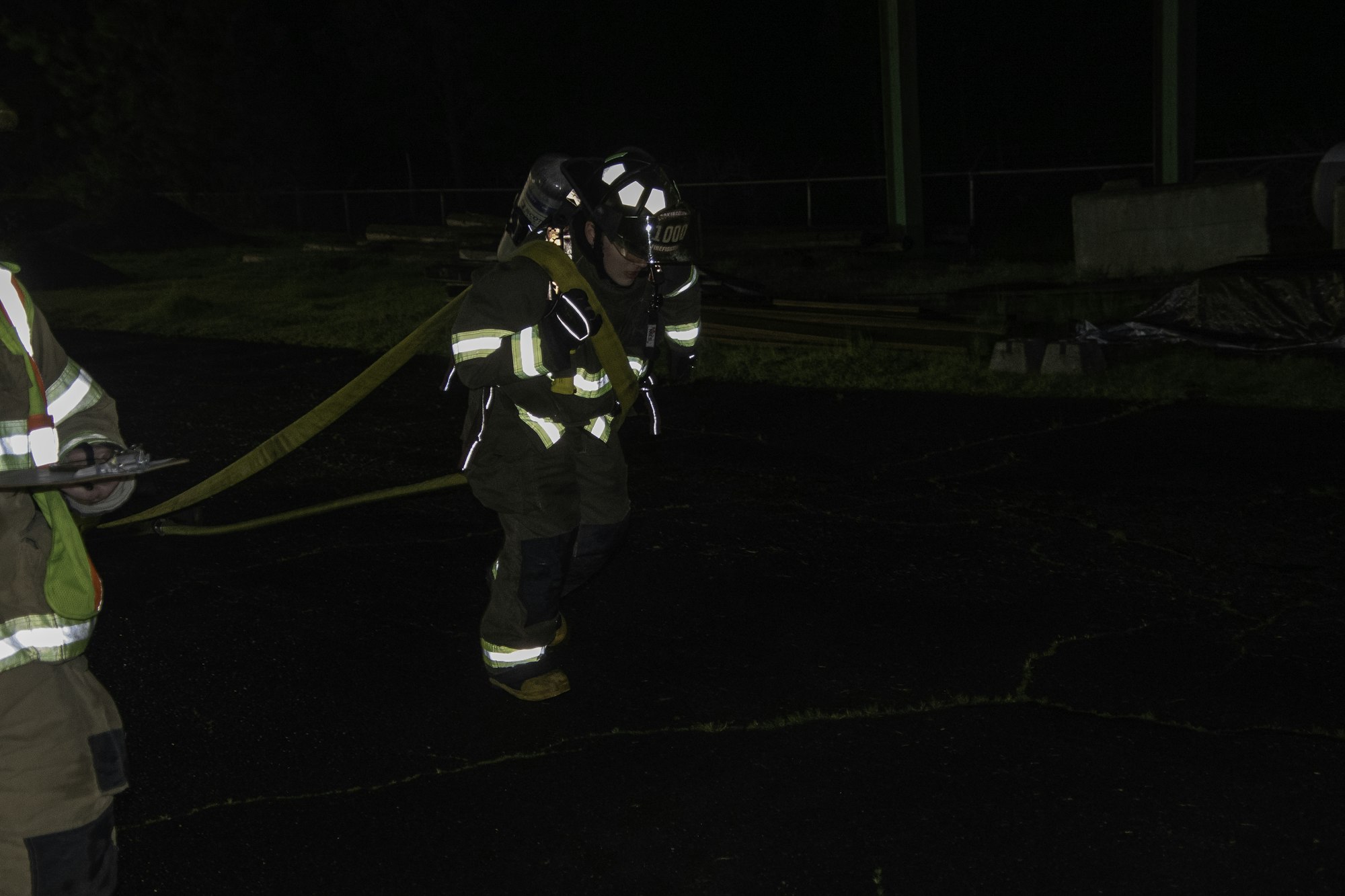
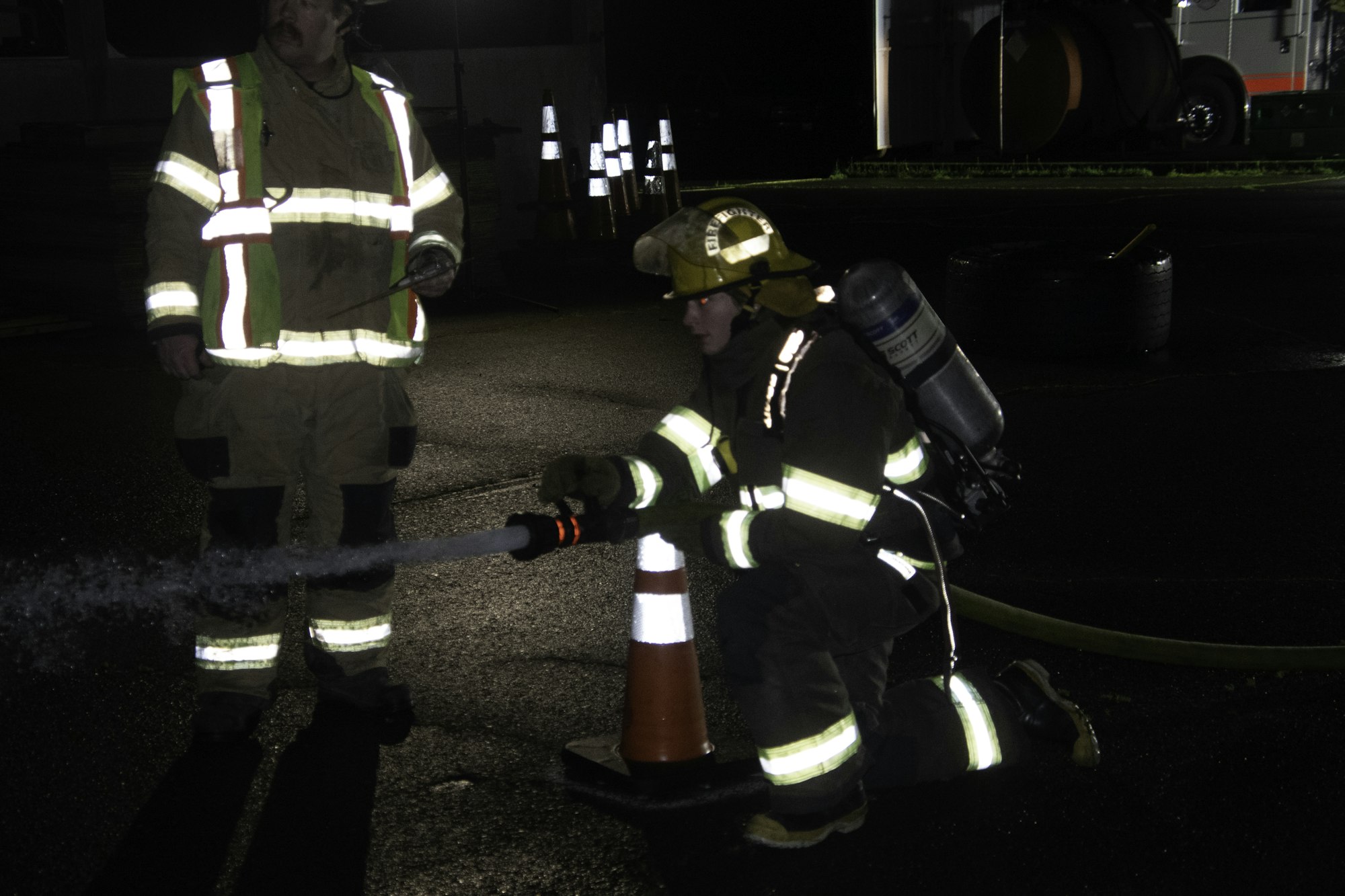
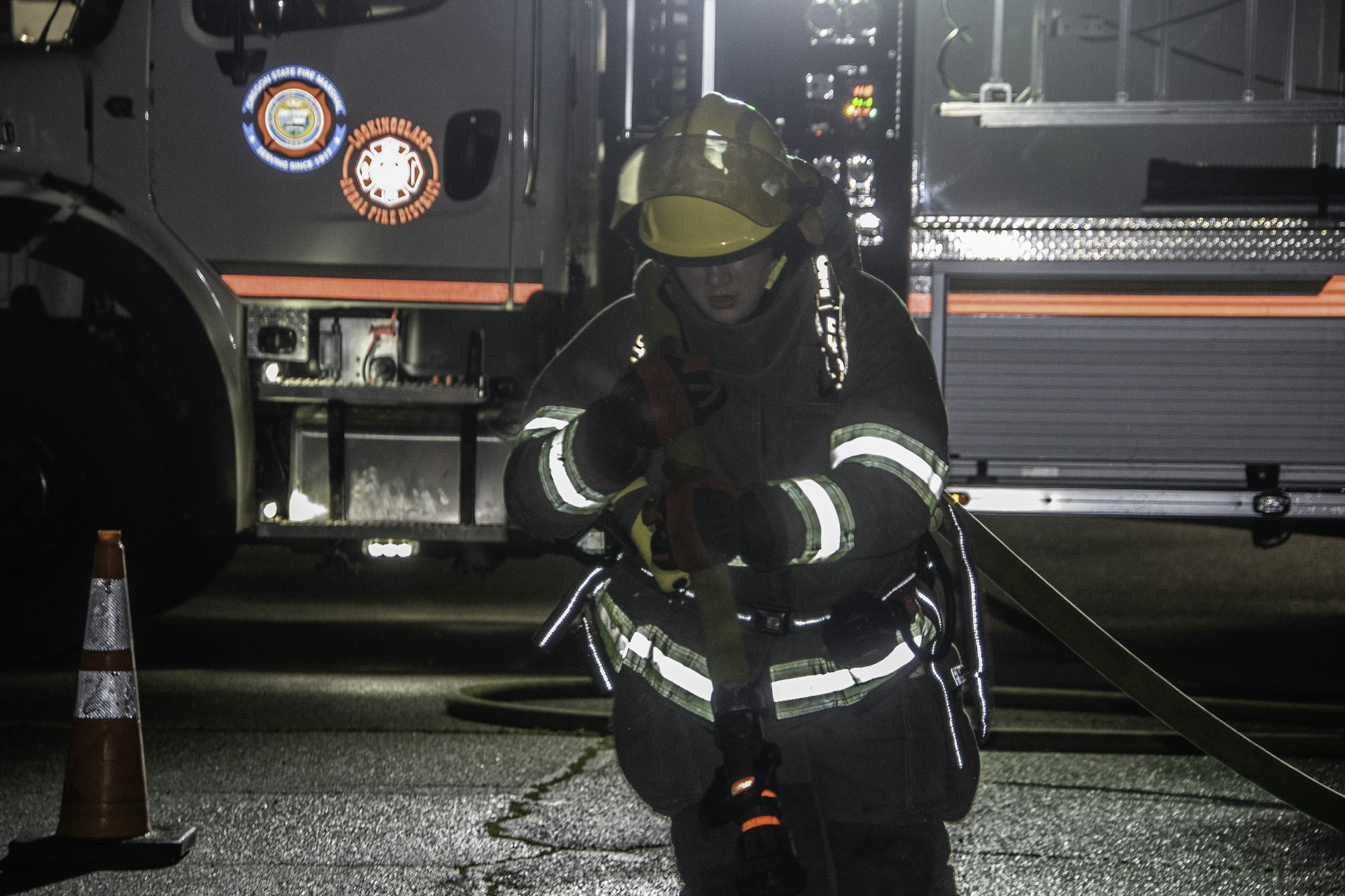
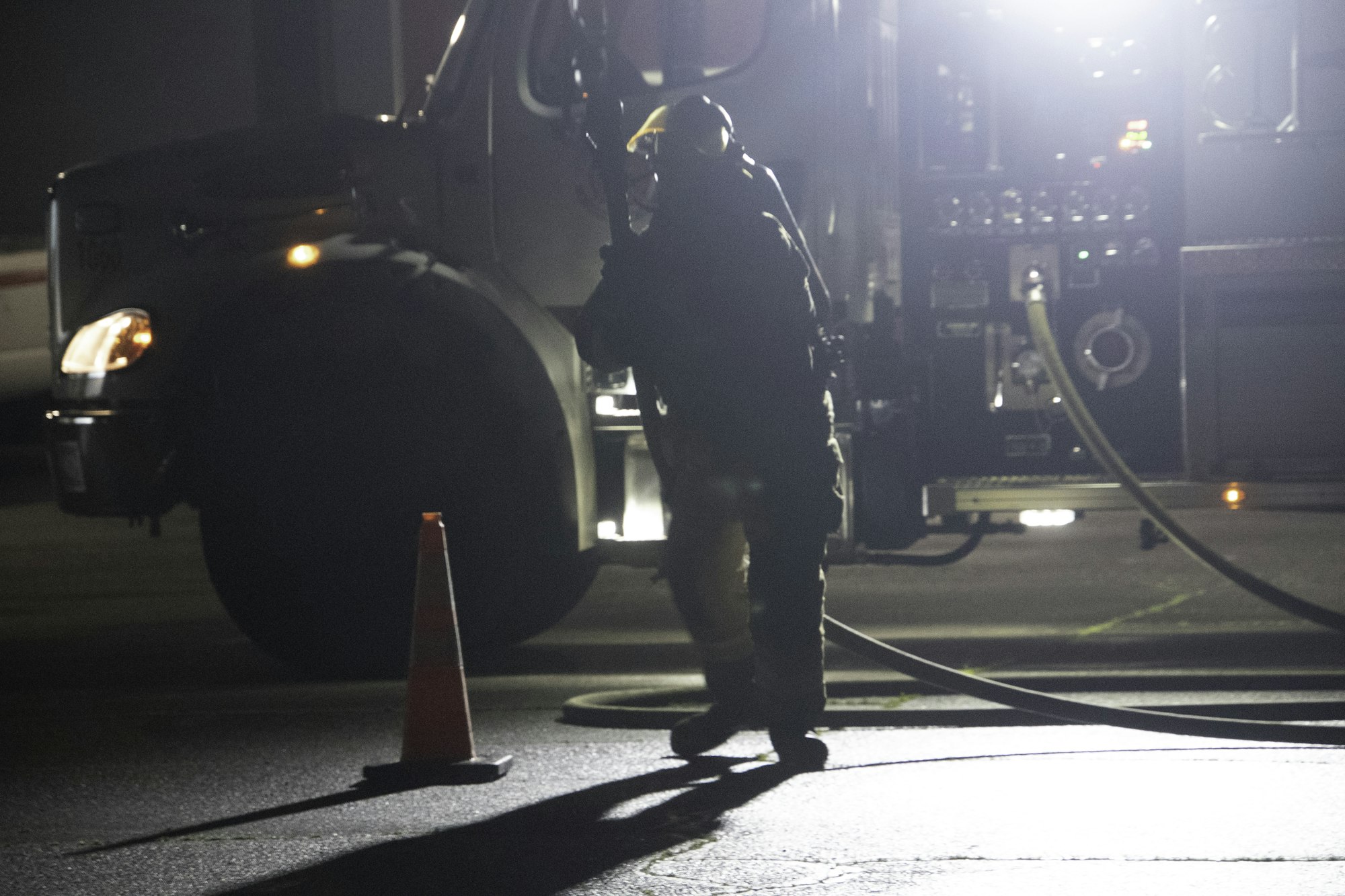
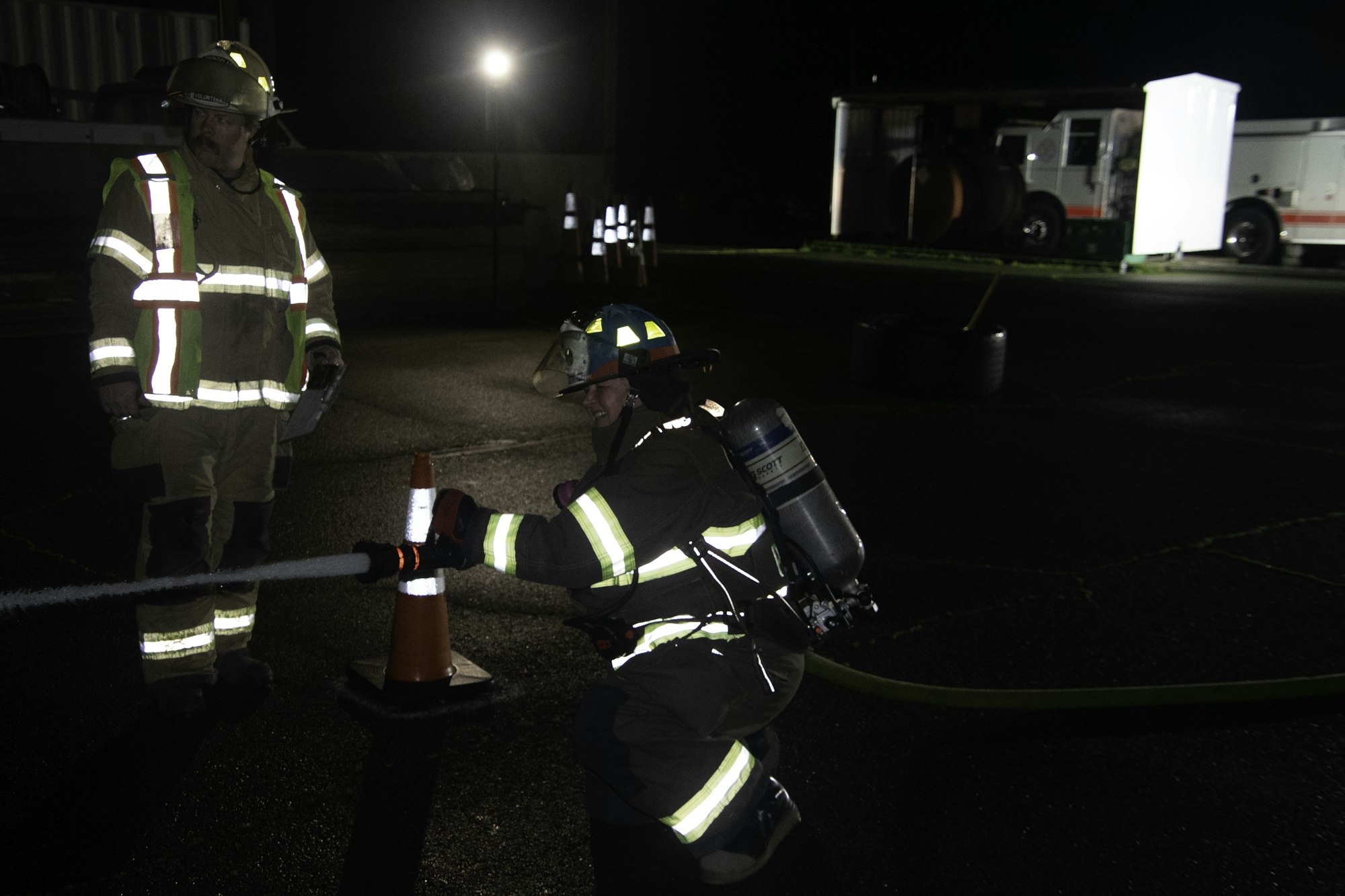
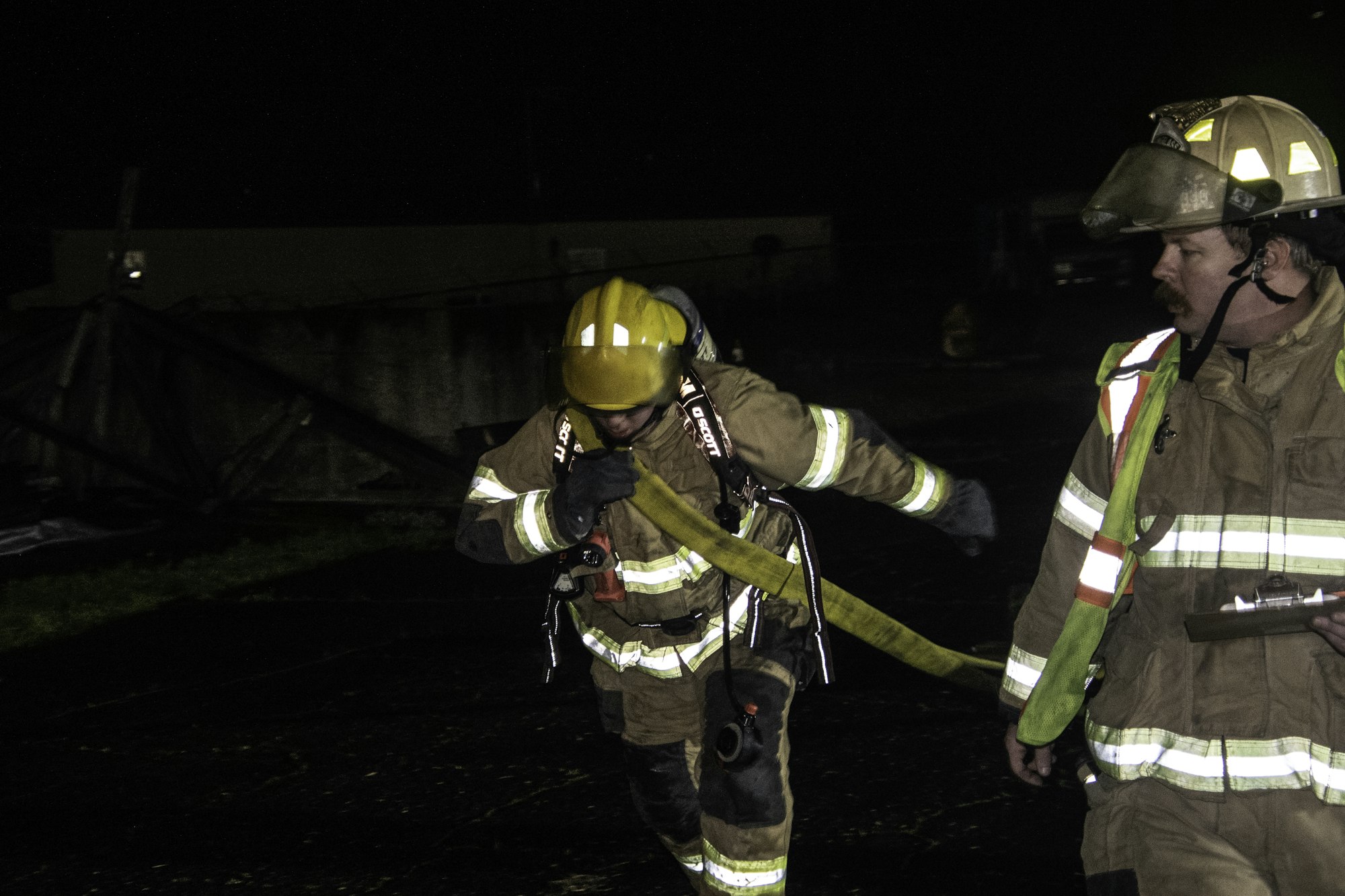
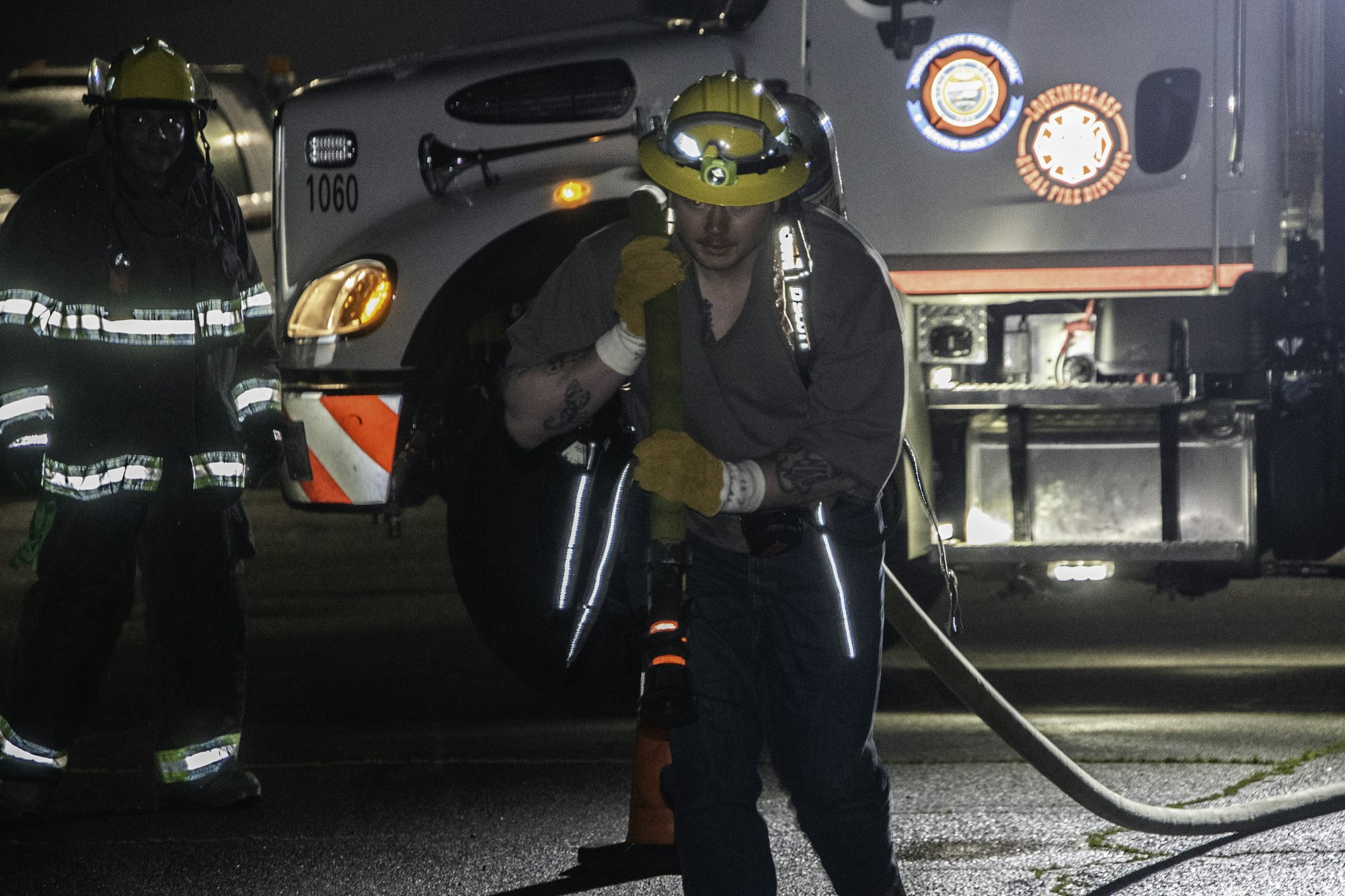
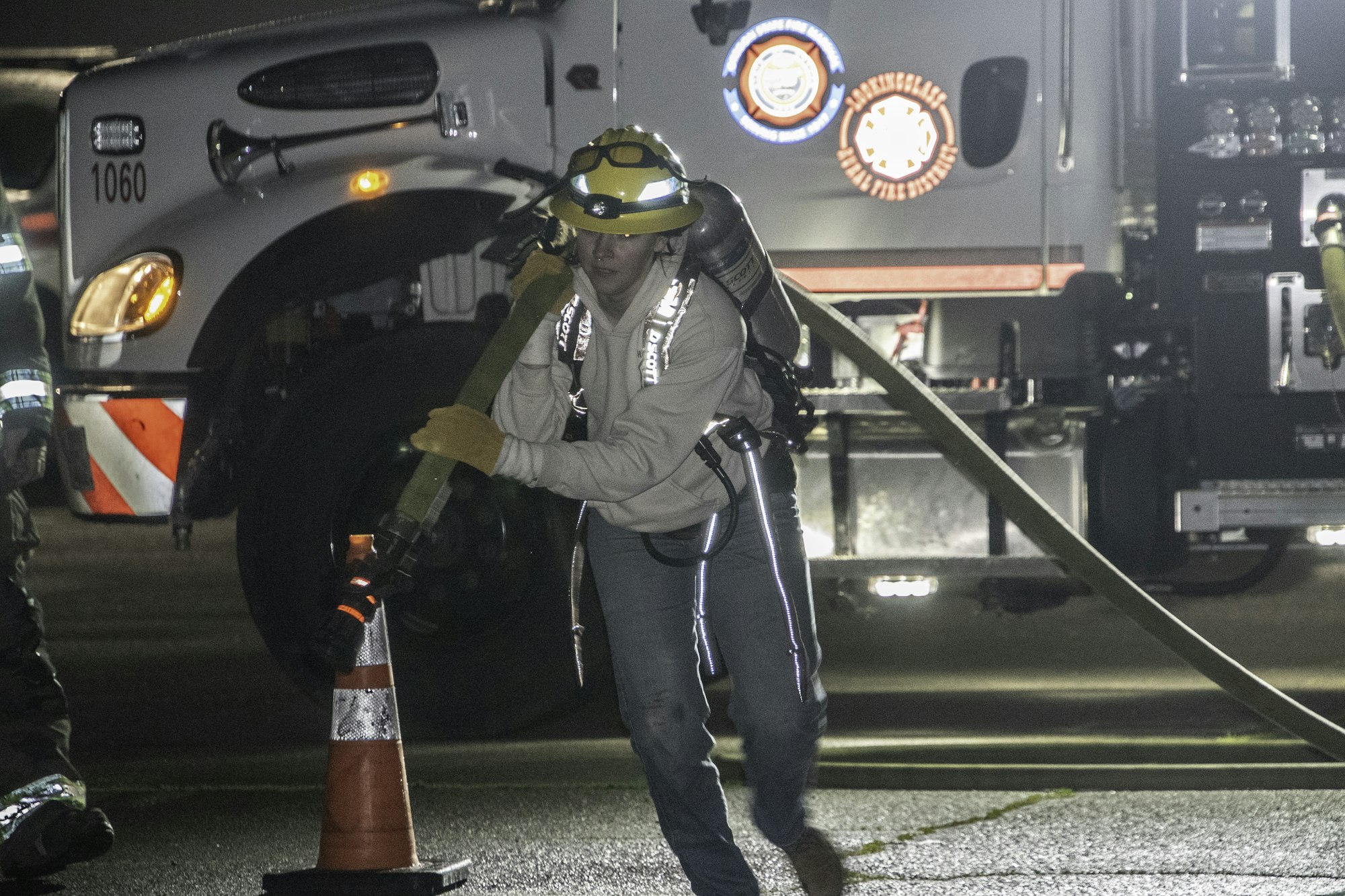
Charged Hose Drag & Target Hit
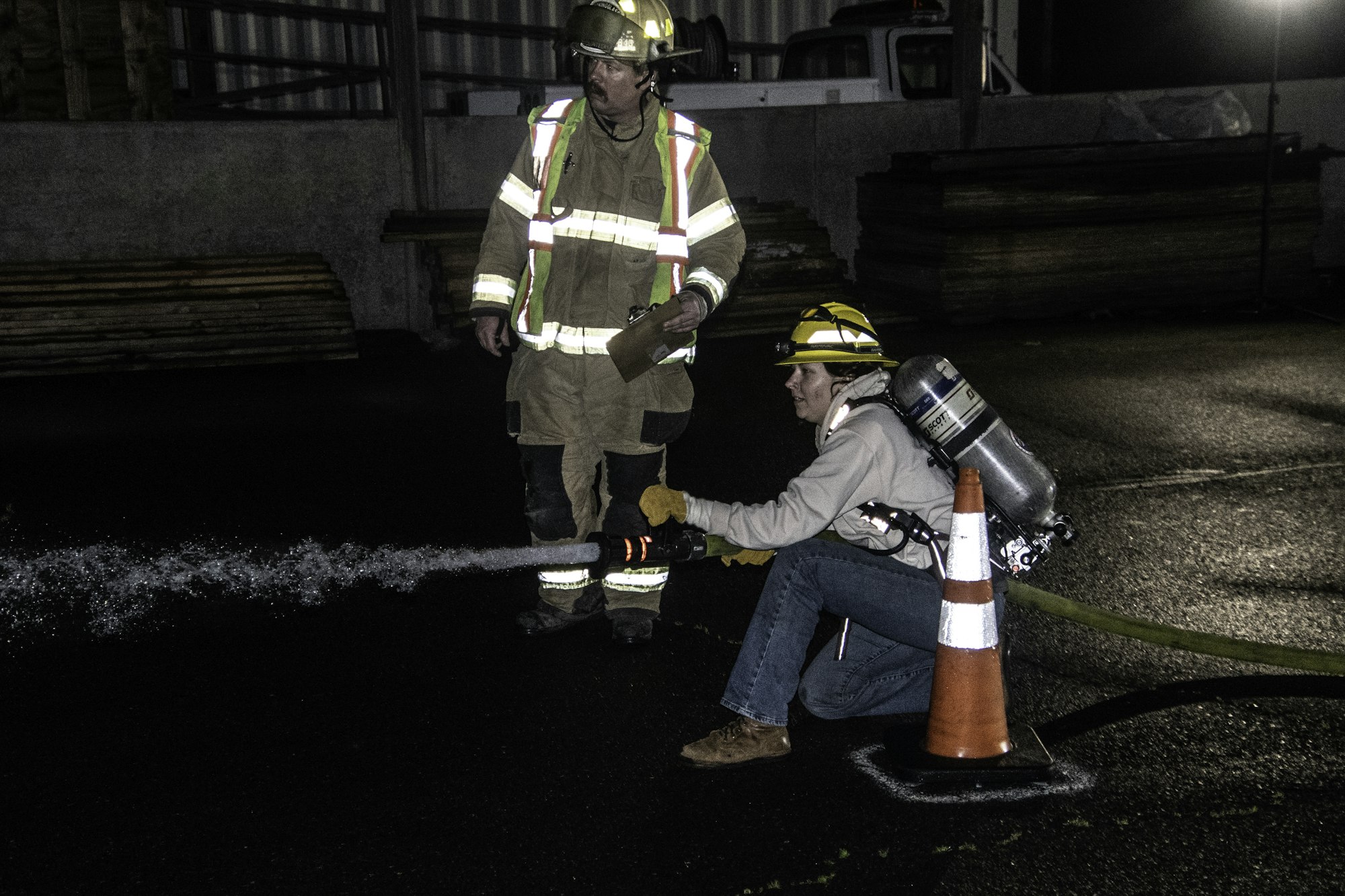
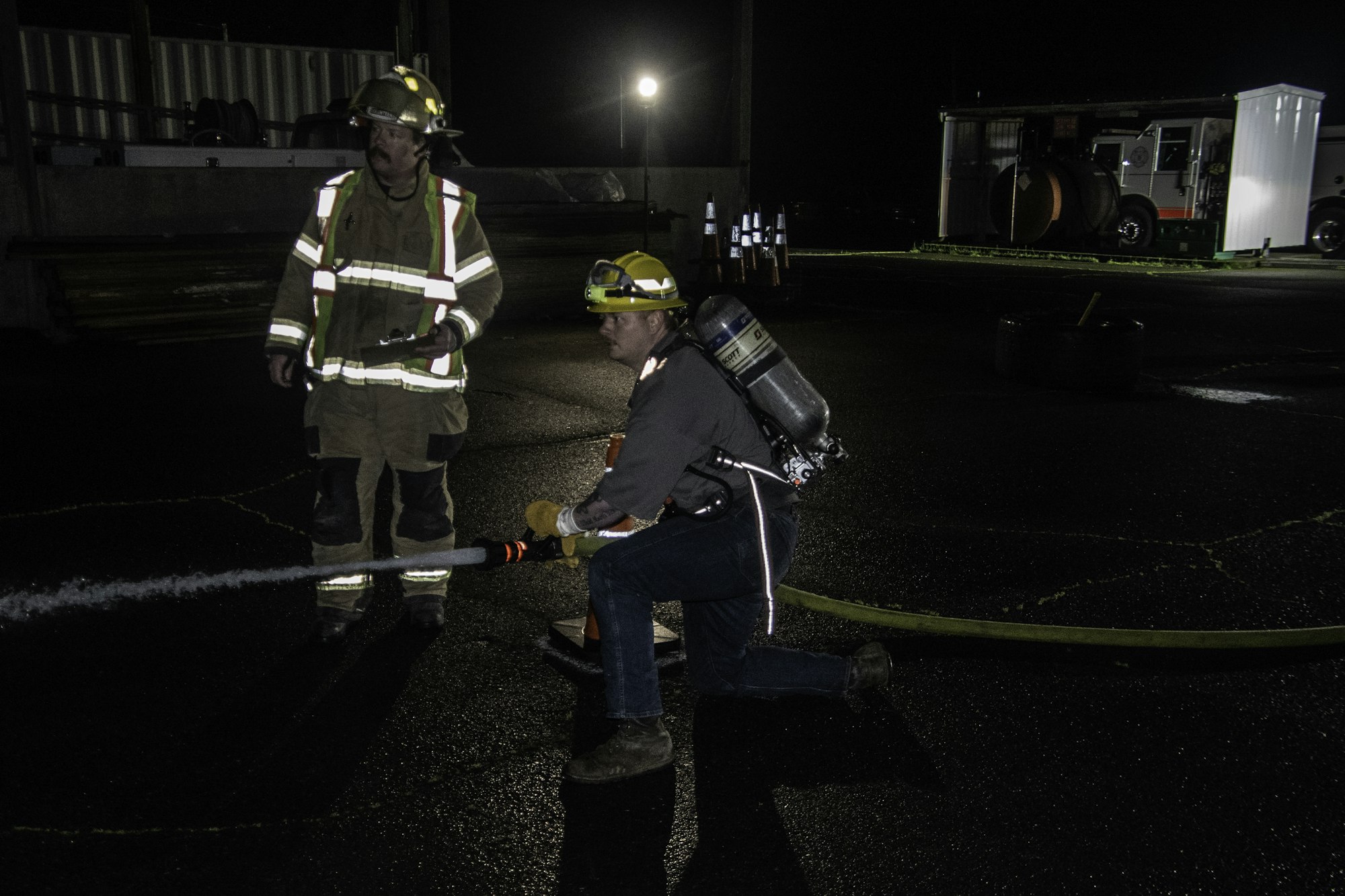
Volunteers drag 50 feet of charged 1¾-inch structural hose and then operate the nozzle to hit a target with the hose stream before safely placing the nozzle on the ground. A 50-foot section of 1¾-inch hose filled with water averages between 50–70 pounds, making it significantly more difficult to move once charged. This event simulates moving charged hoselines on an active fireground where staffing may be limited—particularly for first-arriving units that must begin working quickly to mitigate the fire risk while awaiting additional units and mutual aid.
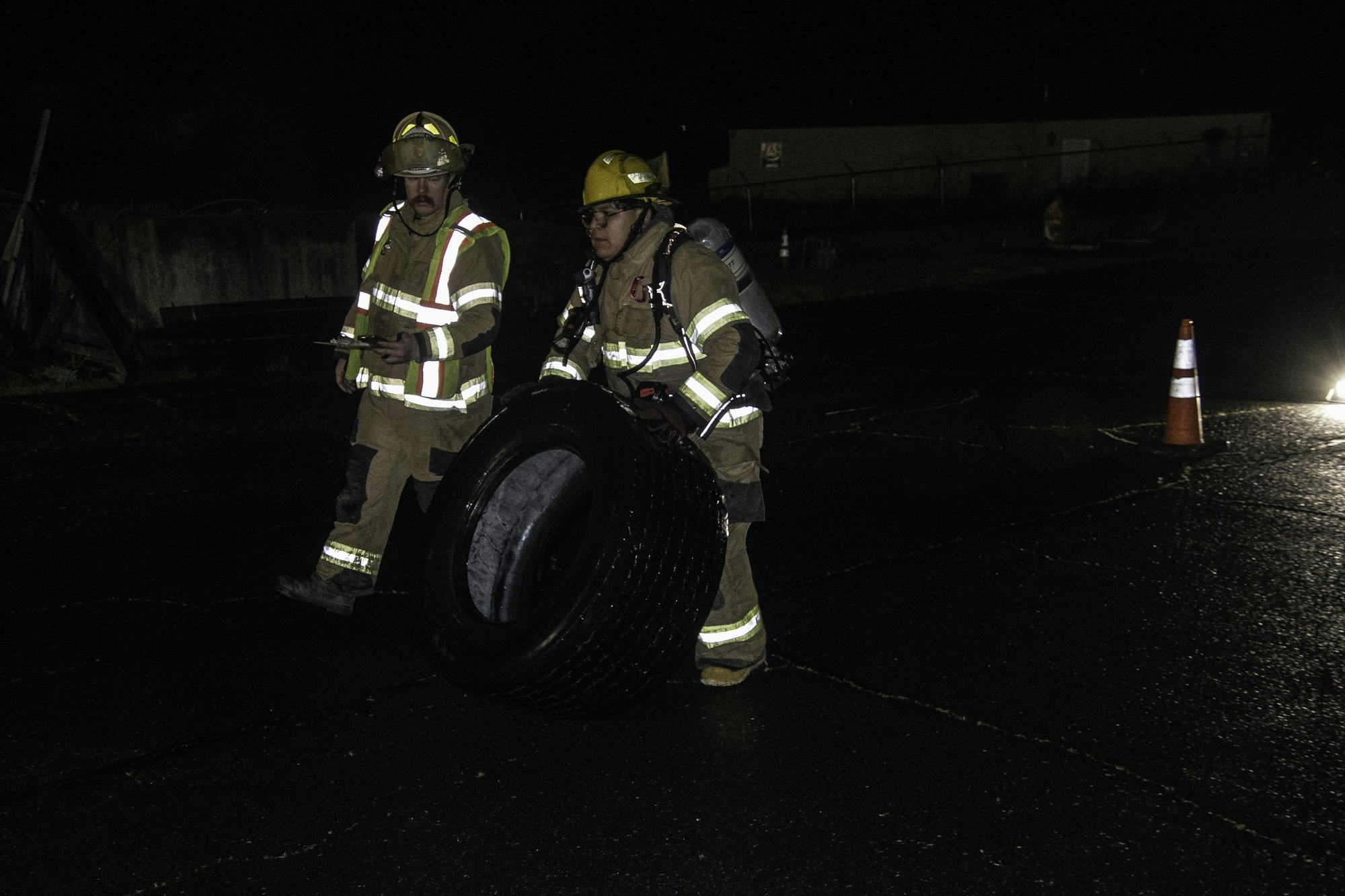
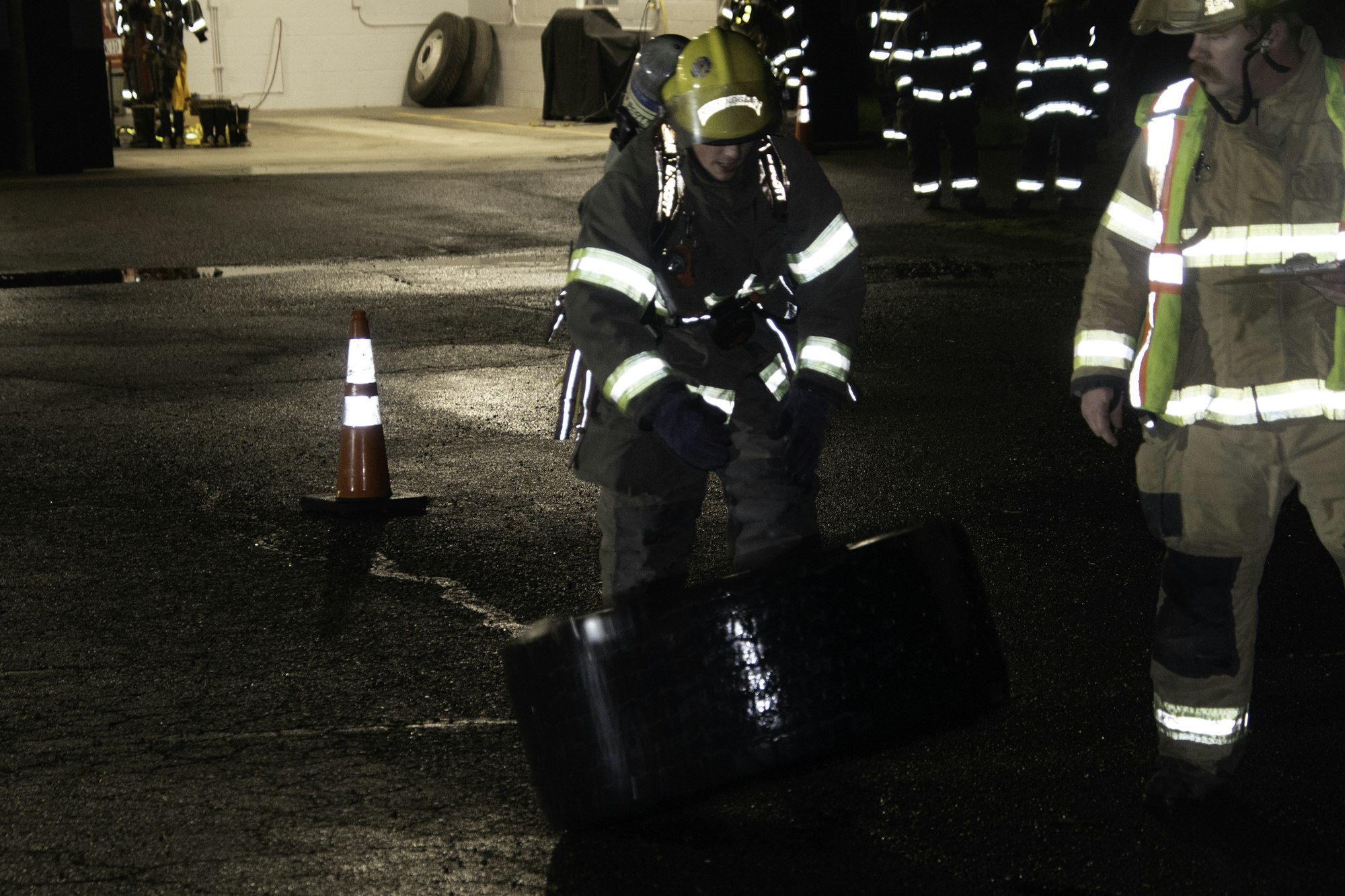
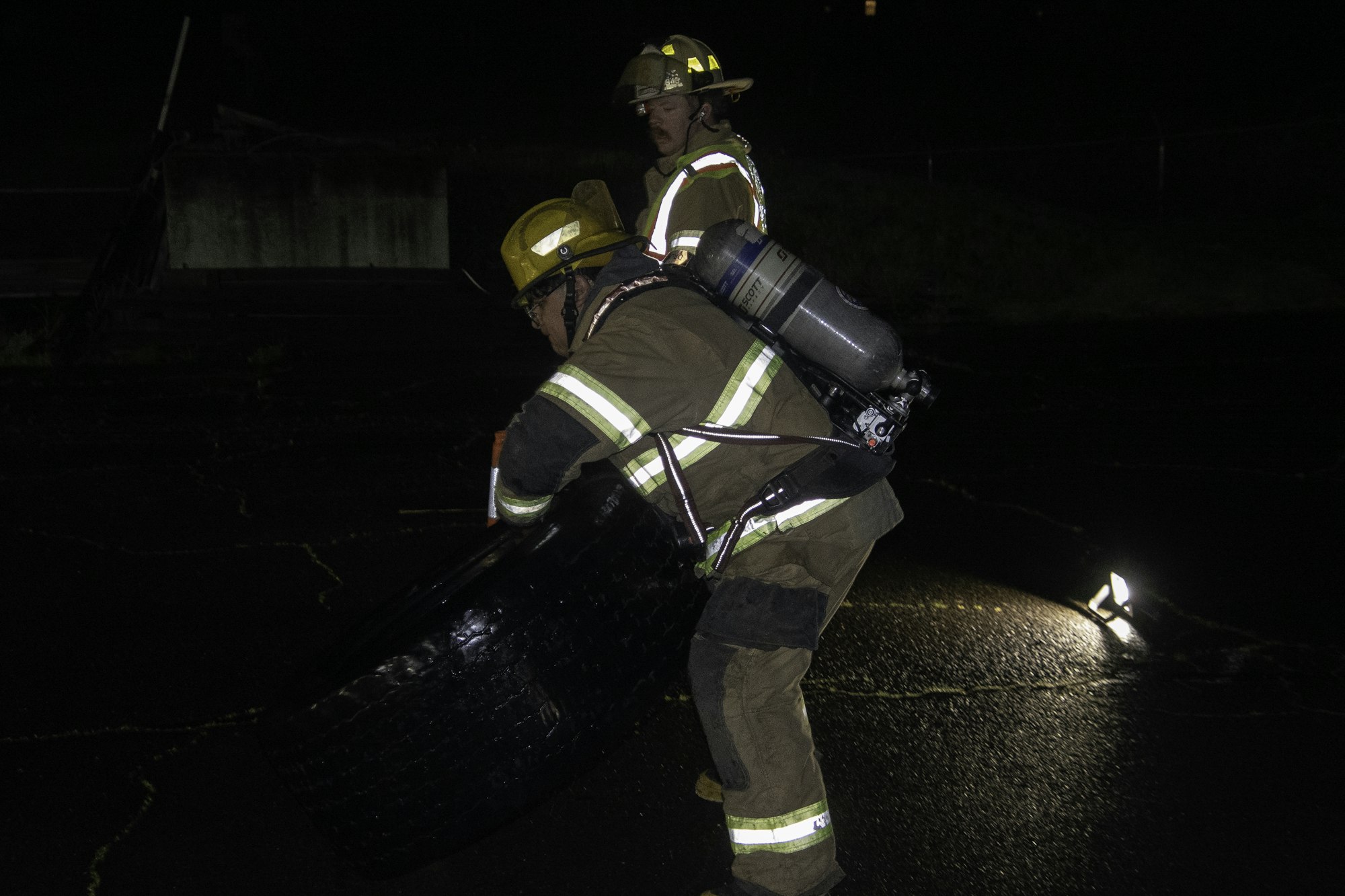
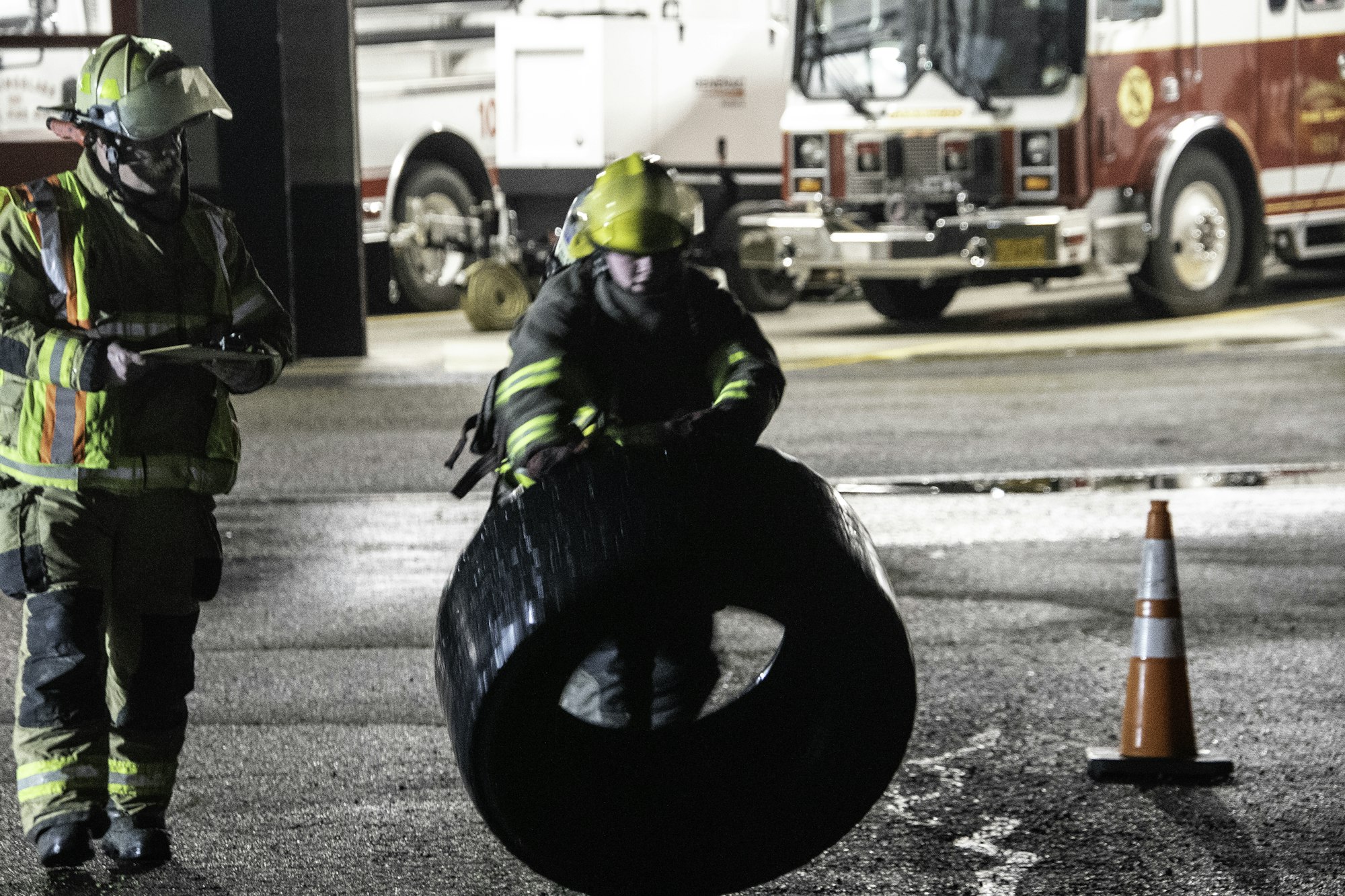
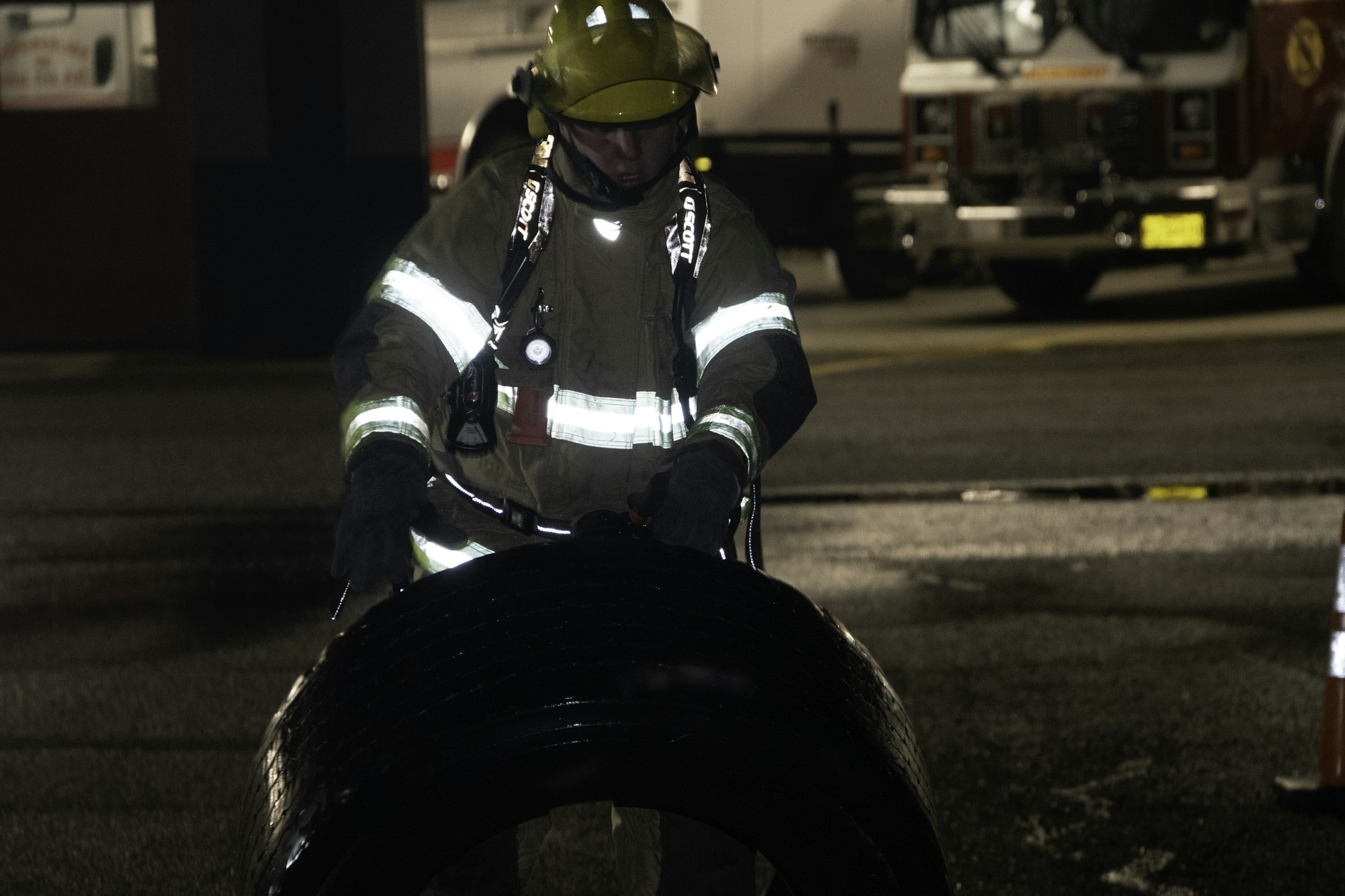
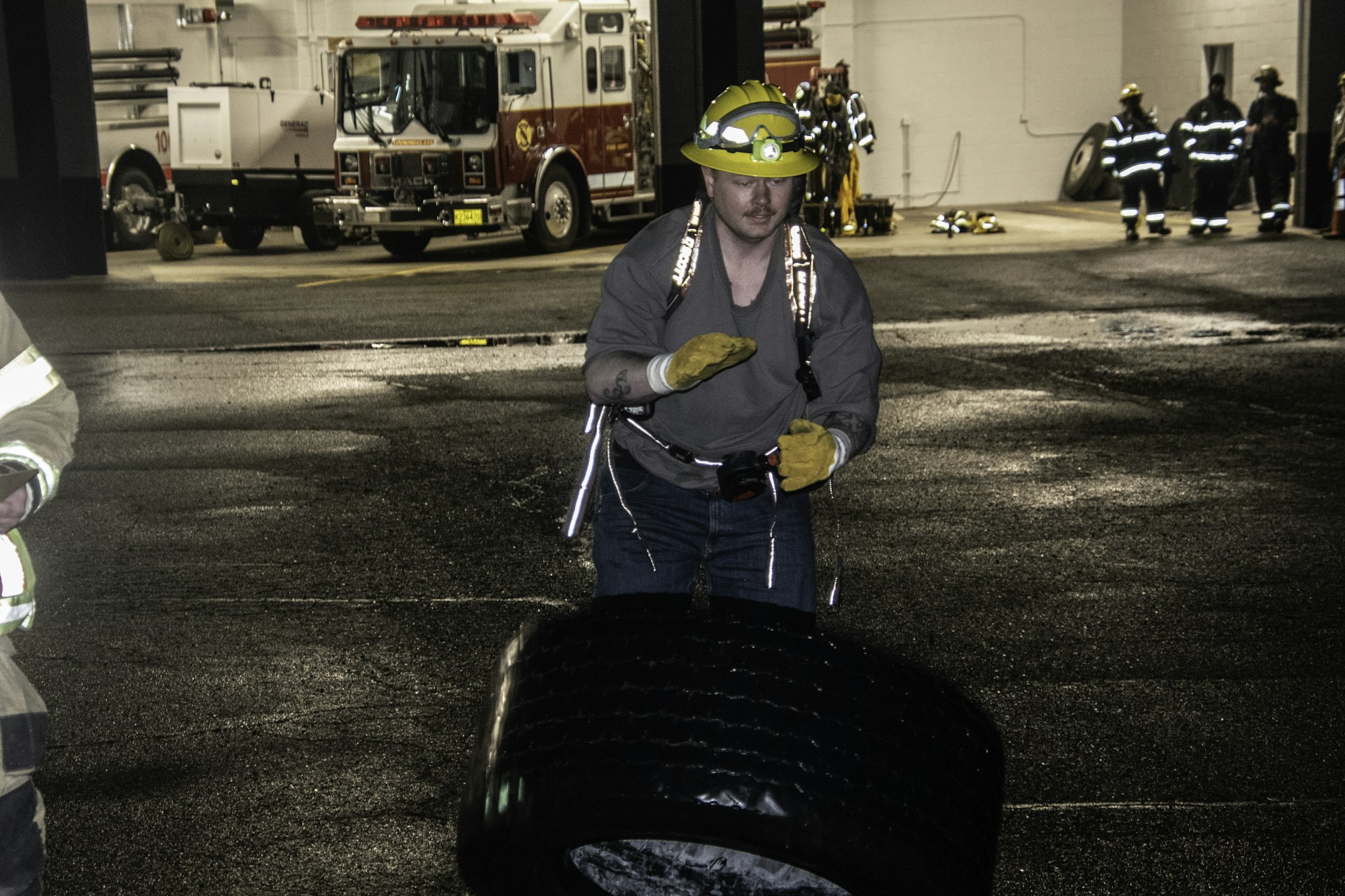
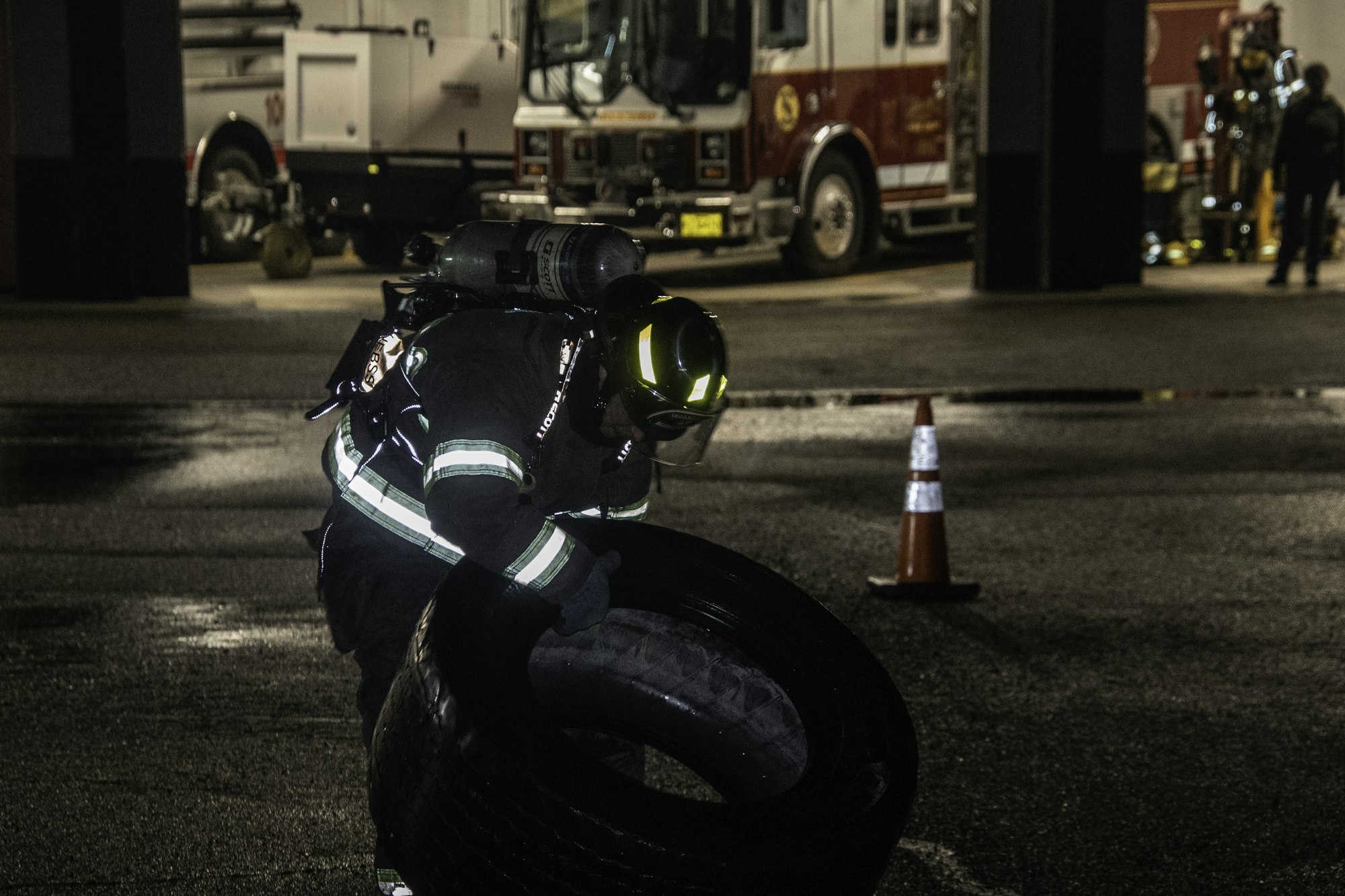
Tire Flip
A large tire is flipped 50 feet to simulate lifting and moving victims or heavy objects during rescue operations.
Rescue Drag
Normally completed with a rescue dummy, this year the event was completed by dragging a weighted pallet while our training dummy is currently out of service.
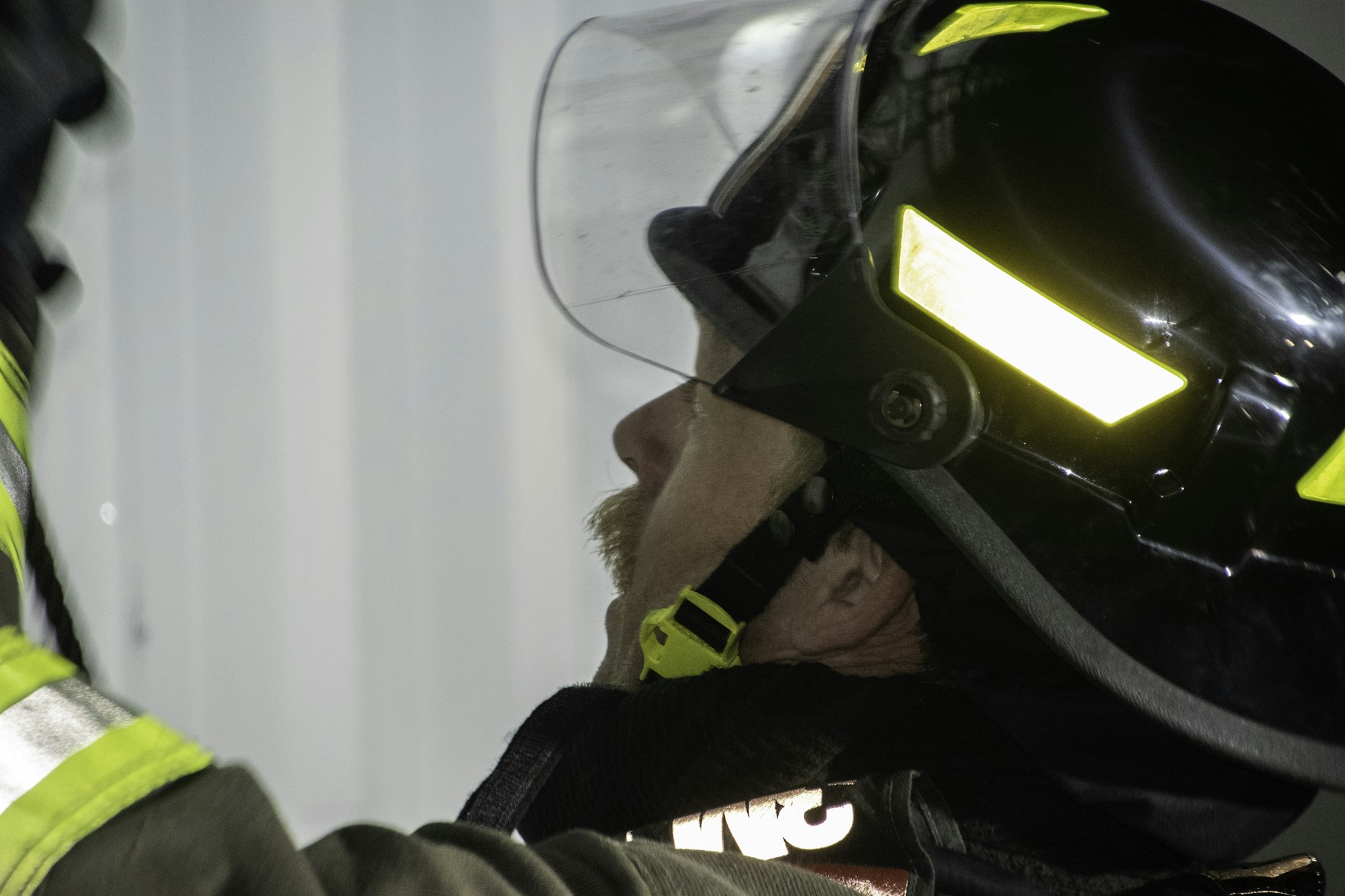
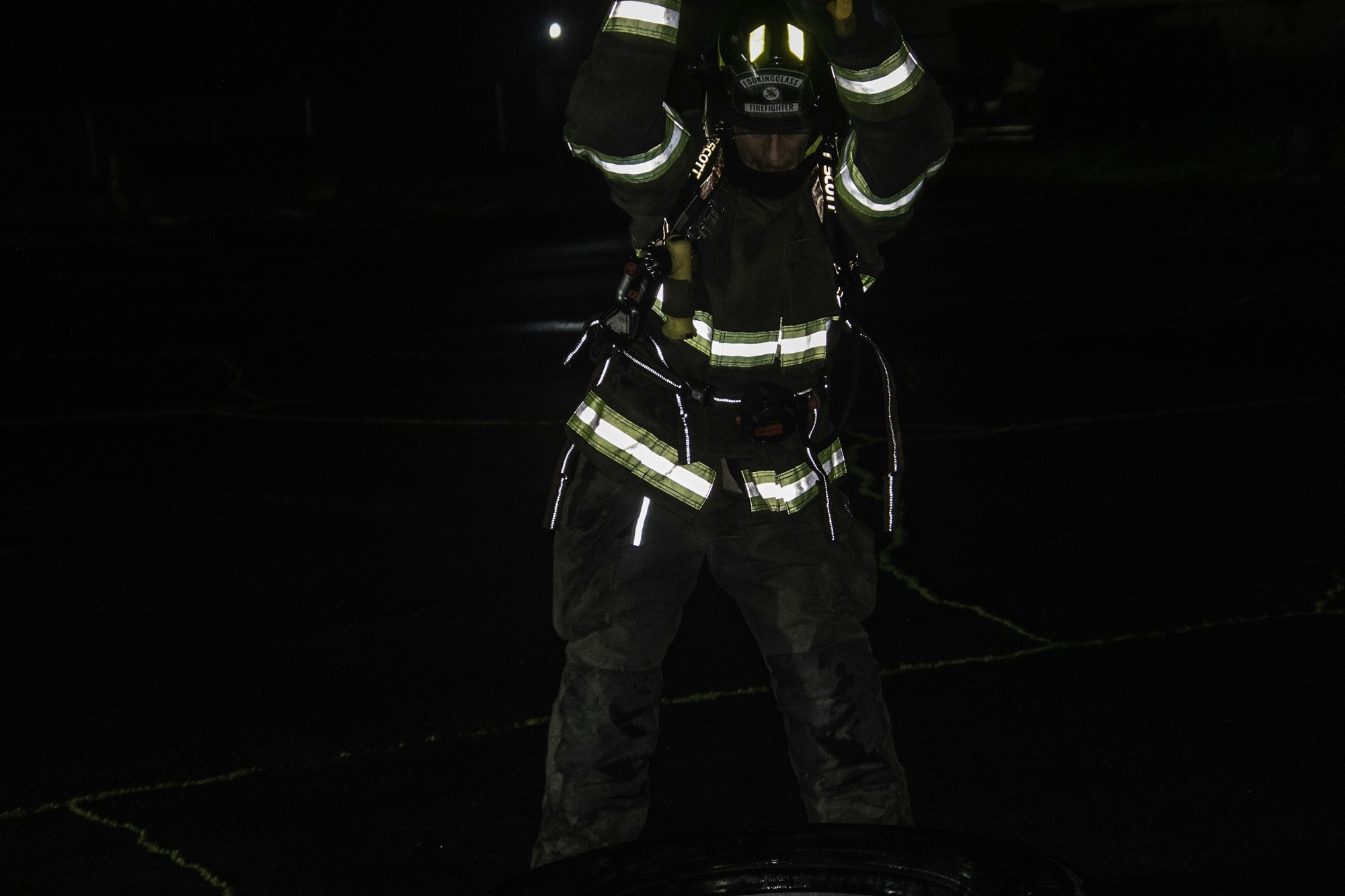
All events must be completed in a controlled and safe manner while wearing full structural turnout gear and an SCBA pack. On average, structural turnout gear and SCBA together weigh between 45 and 60 pounds. In addition to the weight, turnout gear traps body heat and limits natural cooling, making the physical demands of the course even more challenging—conditions firefighters often face during real emergency operations.
Teamwork and Determination
One of the most encouraging aspects of this year’s agility test was the wide range of experience among our volunteers. Some participants are brand new and have not yet completed the requirements to be issued turnout gear. For many of them, this was their first time handling structural ladders or operating a hose line, yet they stepped up and gave it their best effort.
Throughout the event, something else stood out about the LRFD team. Even after volunteers completed their run and were tired, no one left and no one stood quietly on the sidelines. Instead, the night air was filled with cheers and encouragement for fellow firefighters. Volunteers pushed each other to keep going and finish strong, supporting their brothers and sisters through every station of the course.
Requirement for Interior Fire Operations
This agility course is now a requirement for volunteers who wish to participate in interior structural fire operations with LRFD.
To operate inside a structure fire environment, volunteers must meet several standards, including:
- Completion of NFPA Firefighter 1 coursework and skills
- Completion of a DPSST Firefighter 1 Task Book
- Successful completion of a Task Performance Evaluation
- Completion of the LRFD Agility Course in under 8 minutes
Many people initially look at the course and assume it will be easy. Once they attempt it in full turnout gear and SCBA, most quickly realize how demanding the event truly is.
2026 Fastest Time
This year the fastest completion time was 3 minutes and 21 seconds, set by Engineer Trainee Beau Cummins. Beau joined LRFD after gaining experience with DFPA and is currently working toward becoming a smokejumper. His performance demonstrated both strong conditioning and excellent technique.
Volunteers of All Backgrounds
Not everyone who took the course was required to do so. Some participants were LRFD cadets who are under 18 and cannot participate in live interior fire operations, while others were support personnel who have no intention of operating interior. However, after seeing their fellow volunteers attempt the course, they stepped up and completed it anyway simply to challenge themselves and support the team.
No One Quit
One thing stood out above everything else this year: every volunteer who started the agility test finished it. Not a single person quit.
While some participants did not meet the qualifying time required for interior structural firefighting, every individual pushed themselves through the entire course and completed every station. That determination speaks volumes about the type of team serving the Lookingglass community.
LRFD will continue working with volunteers on technique, standards, and fireground operations, ensuring knowledge and training continue to grow throughout the department. The goal is to help every volunteer improve their skills, build confidence, and continue progressing in their ability to serve the community.
The Lookingglass Rural Fire District is proud of the dedication shown by its volunteers and looks forward to continuing to train, improve, and grow together in service to the Lookingglass community.